
Oldest Spider Relative Fossil Found in Utah Reshapes Evolution

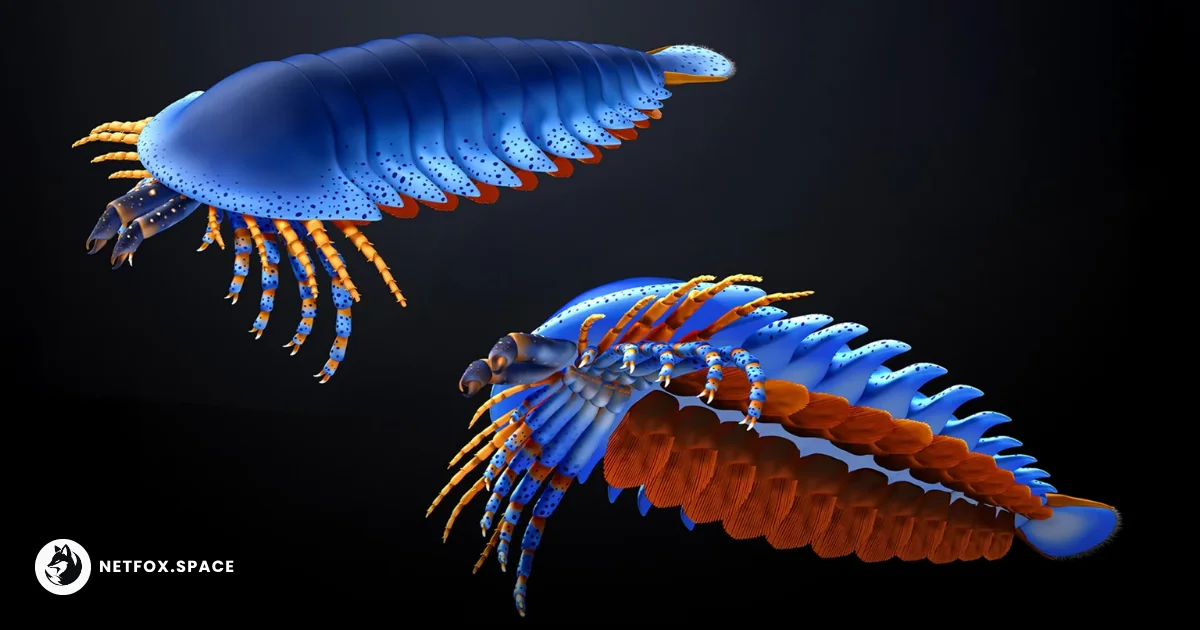
The discovery of a 500-million-year-old marine predator in Utah has pushed back the known history of the lineage that includes spiders, scorpions, and horseshoe crabs by approximately 20 million years. The species, named Megachelicerax cousteaui, provides the first definitive evidence that the defining anatomical features of modern chelicerates were already established during the middle Cambrian period.
The discovery of the oldest known chelicera in the fossil record
The identification of M. cousteaui began with the meticulous preparation of a specimen collected decades ago from the middle Cambrian Wheeler Formation in Utah’s House Range. While the fossil initially appeared to be a standard Cambrian arthropod, a detailed account of the fossil’s preparation describes how the removal of surrounding rock revealed a specialized claw where an antenna would typically be located.
This appendage is known as a chelicera—a pincer-like structure used for feeding and grasping. In modern biology, the presence of chelicerae is the primary characteristic that distinguishes spiders and their relatives from other arthropod groups, such as insects and crustaceans, which possess antennae. Before this study, the oldest confirmed chelicerae were found in specimens from the Early Ordovician period in Morocco, dating to roughly 480 million years ago. By identifying this structure in a 500-million-year-old fossil, researchers have confirmed that this evolutionary split occurred much earlier than previously documented.
Morphological evidence bridges a 20-million-year evolutionary gap
The study published in Nature characterizes M. cousteaui as a transitional form that reconciles several competing theories regarding arthropod evolution. Previously, paleontologists debated whether certain Cambrian groups—such as mollisoniids or megacheirans—were true members of the chelicerate lineage or merely distant cousins. The absence of a clear chelicera in those groups made a definitive classification difficult.
Megachelicerax serves as a morphological bridge. It possesses the massive three-segmented chelicerae characteristic of the chelicerate "crown group" while retaining primitive features seen in earlier Cambrian arthropods. This suggests that the development of the specialized feeding claw was one of the first major innovations in this lineage, occurring before the head appendages lost their outer branches to become the leg-like structures seen in modern spiders. The discovery validates the inclusion of several other Cambrian groups into the broader chelicerate family tree, providing a more cohesive timeline for how these predators diversified.
Specialized body regions highlight early anatomical complexity
The physical structure of M. cousteaui reveals a level of specialization that rivals modern forms. Measuring just over eight centimeters long, the animal featured a dorsal exoskeleton divided into a head shield and nine distinct body segments. This division signifies a functional specialization where the front of the body was dedicated to sensory and feeding tasks, while the rear handled locomotion and respiration.
Beneath the body segments, the researchers identified plate-like respiratory structures. These lamellae bear a striking resemblance to the book gills found in modern horseshoe crabs. The presence of these sophisticated respiratory organs 500 million years ago indicates that the "anatomical blueprint" for the group was largely established shortly after the Cambrian Explosion. The complexity of these systems suggests that evolutionary rates during this period were high enough to produce specialized marine predators capable of occupying specific ecological niches within the ancient oceans.
Biological innovation preceded widespread ecological dominance
Despite possessing advanced predatory tools like chelicerae and specialized gills, M. cousteaui and its contemporaries did not immediately become the dominant force in marine ecosystems. The fossil record indicates that for millions of years following the emergence of these traits, chelicerates remained relatively uncommon compared to groups like trilobites.
This pattern suggests that biological innovation does not always lead to immediate evolutionary success. The researchers note that while the chelicerate body plan was technically "ready," the group’s eventual dominance and transition to land likely depended on shifting environmental contexts and timing. The discovery emphasizes the value of museum collections; the specimen had been held by the Kansas University Biodiversity Institute since 1981, remaining unexamined for over 40 years until modern research techniques and evolved scientific understanding allowed its significance to be recognized.
The name Megachelicerax cousteaui honors French explorer Jacques-Yves Cousteau, a choice the authors made to highlight the ongoing necessity of exploring marine history to understand the origins of modern biodiversity.
Comments (0)
Please login to comment
Sign in to share your thoughts and connect with the community
Loading...