
Hummingbirds and Bees Regularly Consume Ethanol in Nectar

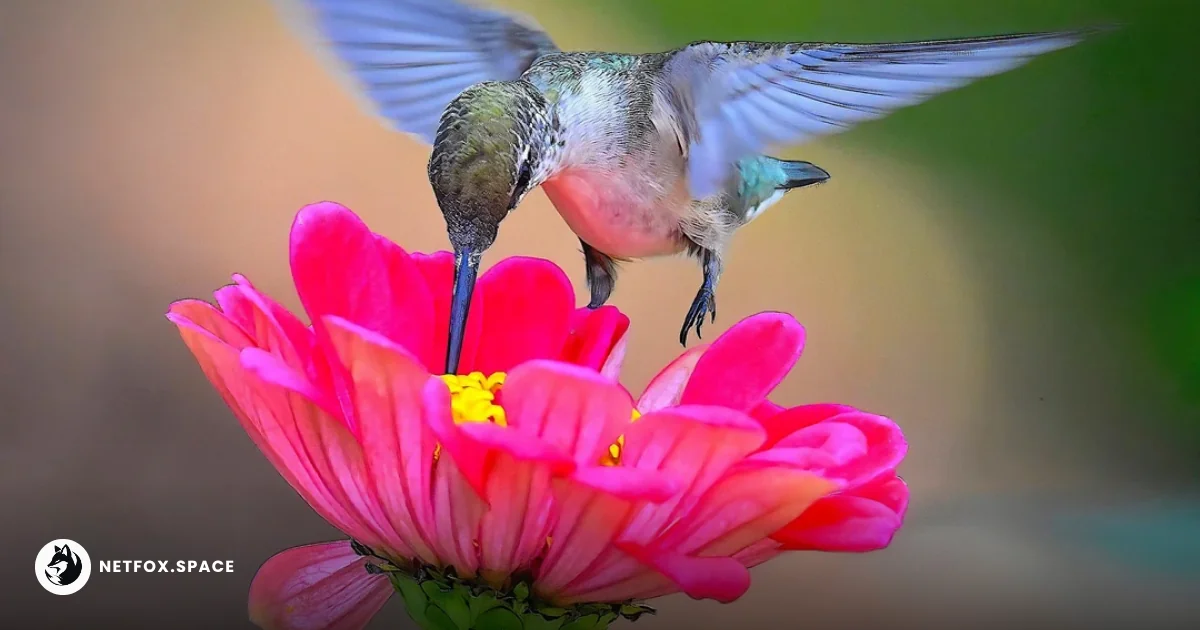
On March 25, 2026, researchers from the University of California, Berkeley released findings confirming that hummingbirds and honeybees frequently consume ethanol as a standard part of their diet. The study, highlighted by EurekAlert and ScienceDaily, clarifies that ethanol is a natural byproduct of sugar fermentation by yeast and bacteria within floral nectar.
This research shifts the understanding of "accidental" alcohol consumption in the animal kingdom toward a model of consistent, albeit low-level, dietary intake.
Ethanol Concentrations in Natural Nectar Sources
Data collected from field samples indicate that ethanol is nearly ubiquitous in nectar-producing flowers, though concentrations remain low. According to the research team led by Professor Robert Dudley, natural ethanol levels in wildflowers typically fluctuate between 0.05% and 0.1%.
However, in specific environments where fermentation is accelerated, concentrations can reach as high as 1%. The study found that while hummingbirds are exposed to these levels daily, they demonstrate a clear preference for lower concentrations. When presented with varying levels of ethanol in a controlled setting, the birds avoided feeders containing more than 2% ethanol, suggesting a sensory threshold for alcohol The Telegraph.
Metabolic Efficiency and Behavioral Observations
The physiological impact of ethanol on these high-metabolism species differs significantly from human consumption. Because hummingbirds possess some of the highest metabolic rates among vertebrates, they process the ingested ethanol with extreme efficiency.
-
Metabolic Rate: Analysis suggests that ethanol provides a supplemental caloric source, though it represents a fraction of the bird's total energy budget.
-
Behavioral Impact: Researchers observed no signs of "inebriation" or impaired flight coordination at the 1% concentration levels found in nature.
-
Comparison: While media reports have compared the daily intake of a hummingbird to a human drinking "a pint a day," the biological reality is distinct due to the speed at which the ethanol is burned during active hovering The Telegraph.
Evolutionary Implications of Nectar Fermentation
The presence of ethanol may serve as an olfactory cue for pollinators. This suggests that the scent of fermentation helps bees and hummingbirds locate high-sugar food sources from a distance.
Historically, this aligns with the "Drunken Monkey Hypothesis," which posits that many animals have evolved to seek out ethanol as a marker for ripe, calorie-dense fruit or nectar. The University of California, Berkeley study confirms that this relationship extends to avian and insect pollinators, potentially influencing their foraging patterns over evolutionary timescales.
Comments (0)
Please login to comment
Sign in to share your thoughts and connect with the community
Loading...