
Tinshemet Cave: Neanderthals and Sapiens Shared Culture

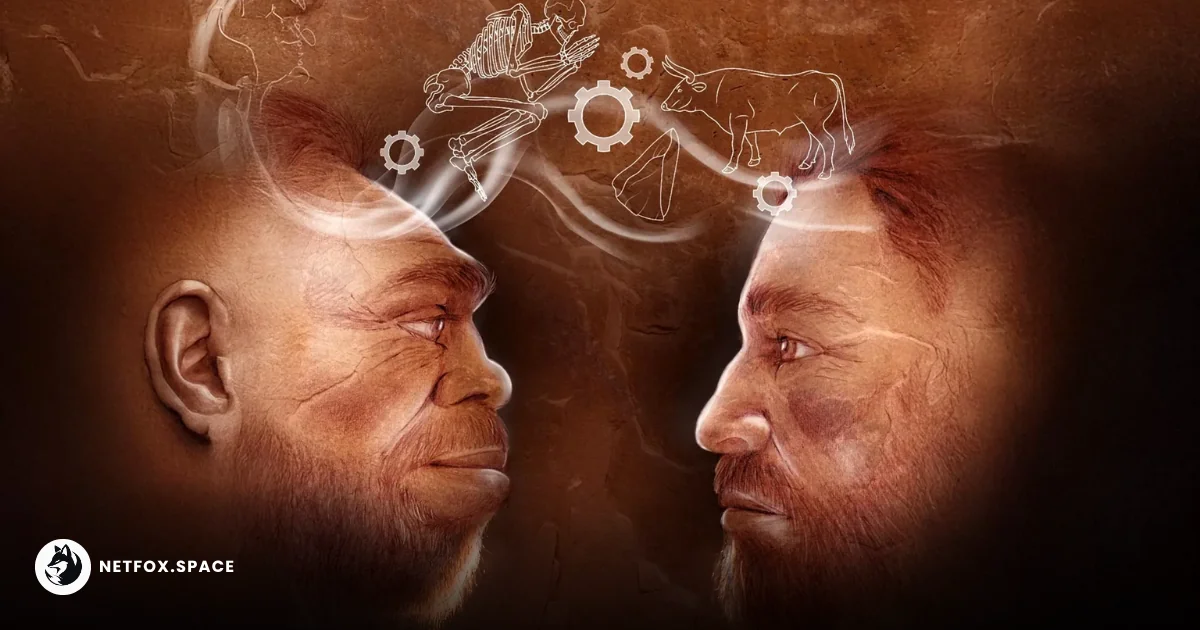
Excavations at Tinshemet Cave in Israel have uncovered a 110,000-year-old behavioral package that was shared between Neanderthals and Homo sapiens, suggesting these groups were deeply interconnected. The findings challenge the traditional view of isolated evolution, pointing instead to a period of intense cultural exchange and social admixture in the Middle Palaeolithic Levant.
Centripetal Levallois technology serves as a regional cultural marker
The most striking evidence of behavioral uniformity at Tinshemet Cave is the dominance of the centripetal Levallois method in stone tool production. This specific knapping technique, characterized by the systematic preparation of cores to produce flakes with radial scar patterns, was found across all major occupational units of the site.
Archaeologists noted that this technological consistency is not isolated to Tinshemet. It aligns with lithic assemblages found at neighboring sites such as Nesher Ramla, Qafzeh, and Skhul. While the hominins at these sites displayed significant morphological differences—ranging from archaic Neanderthal-like features to more modern Homo sapiens traits—their tools remained nearly identical. This suggests that the centripetal Levallois system was not tied to a specific biological lineage, but was instead a shared regional tradition maintained through high levels of inter-group connectivity. The presence of cortical flakes and core trimming elements at Tinshemet confirms that the entire tool-making process occurred on-site, rather than tools being imported as finished products.
Elaborated symbolic behavior through ochre use and burial rites
The discovery of more than 7,500 fragments of ochre at Tinshemet Cave indicates that symbolic communication was a central component of life for both Neanderthals and early humans in the region. The ochre, predominantly in red and orange hues, shows evidence of intentional selection and potentially heat treatment to enhance coloration.
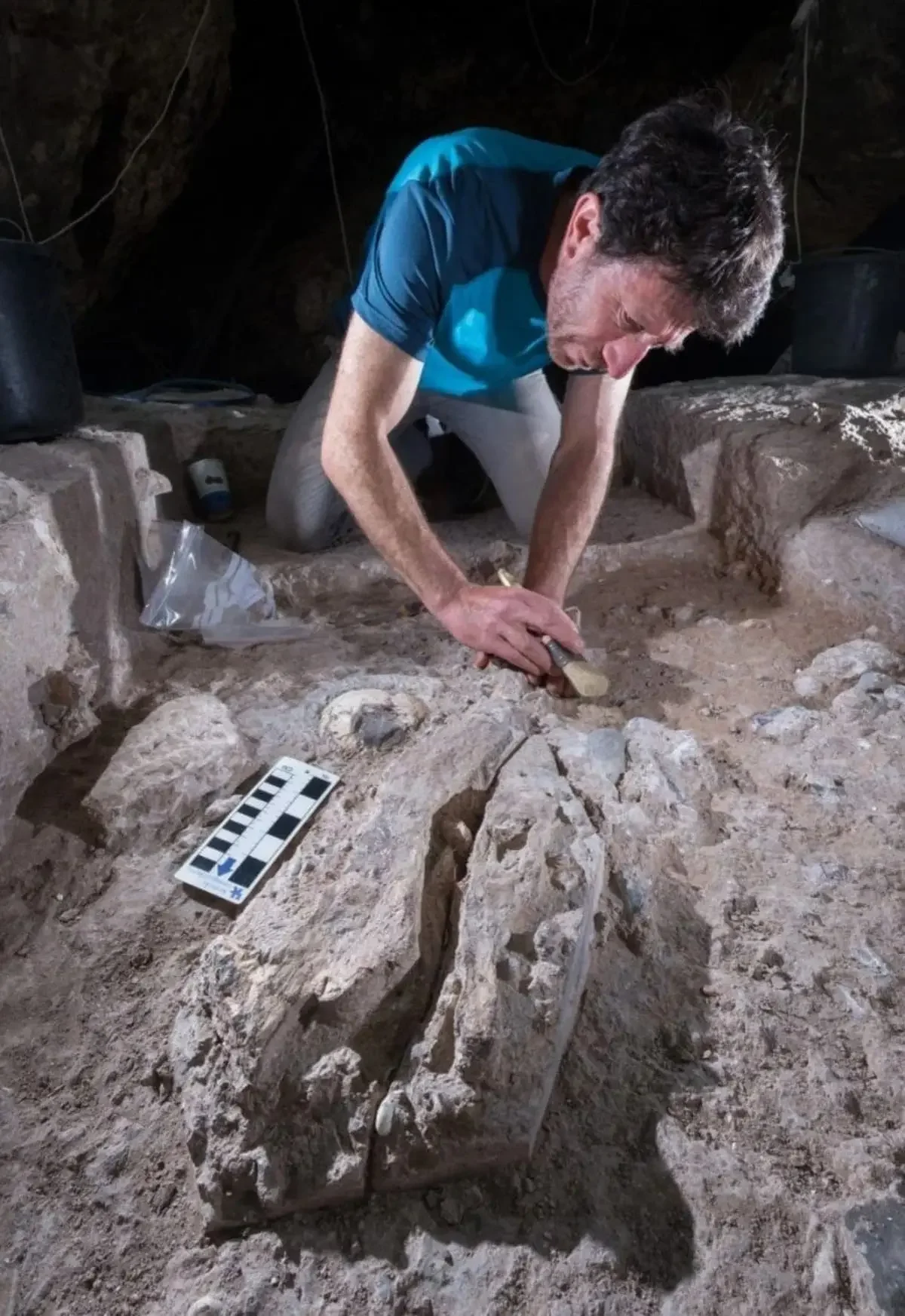 Yossi Zaidner excavating human 110 thousand-year-old human skulls and associated artifacts. © Boaz Langford
Researchers identified multiple sources for the ochre, with some materials originating from the Galilee to the north or the central Negev to the south, distances exceeding 60 to 100 kilometers. The effort required to acquire these minerals suggests they held significant social value. Most notably, large ochre chunks were found in direct association with human remains, including a piece placed between the legs of an adult skeleton (Tinshemet 2). This pattern mirrors burial practices at Qafzeh and Skhul, reinforcing the idea of a shared "symbolic repertoire" that included the use of pigments in funerary contexts—a practice that predates similar behavior in Europe and Africa by tens of thousands of years.
Large-game specialization reflects shifts in communal hunting strategies
The faunal remains at Tinshemet Cave reveal a consistent reliance on large-bodied ungulates, specifically aurochs (Bos primigenius) and equids (Equus spp.). This preference for high-yield prey is a departure from the hunting patterns seen in the early and late stages of the Middle Palaeolithic in the Levant.
Practitioner Perspective: The shift toward large-game hunting may indicate more than just a change in diet; it likely reflects a transformation in social organization and site-use strategies. Specialized hunting of aurochs and equids requires coordinated group efforts and specific transport patterns, which appear uniform across mid-Middle Palaeolithic sites regardless of the hominin group occupying the cave.
The presence of specific rodent index fossils, Mastomys batei and Arvicanthis ectos, further anchors the site within the regional biostratigraphy of the Marine Isotope Stage 5 (MIS 5). These African-tropical taxa suggest that the environmental conditions during the occupation allowed for the dispersal and interaction of varied populations, facilitating the homogenization of hunting and foraging behaviors.
Intentional burials and the fetal position across Homo groups
Tinshemet Cave has yielded the remains of at least five individuals, including two fully articulated skeletons. The burial practices observed—formal inhumation in a highly flexed or "fetal" position—are identical to those documented at Skhul and Qafzeh.
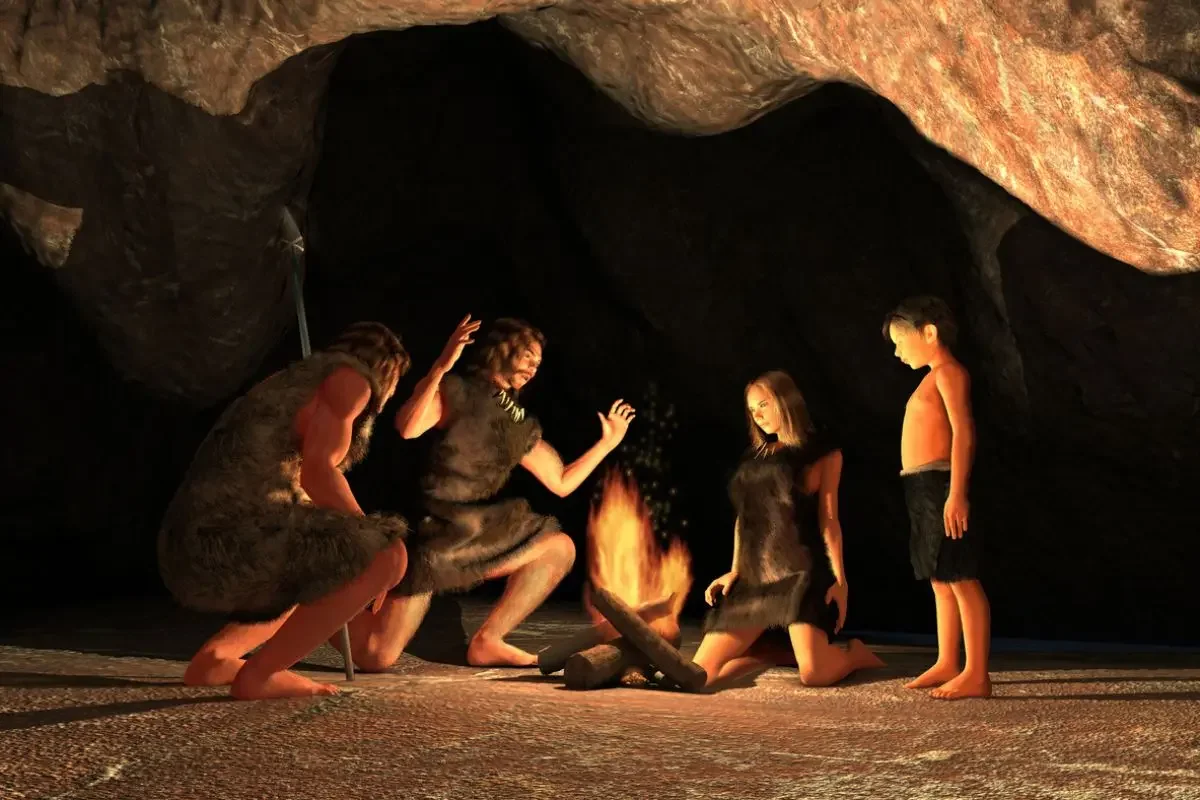 Tinshemet Cave Discovery Reveals Shared Culture Between Neanderthals and Early Humans 110,000 Years Ago
These findings include the primary burial of both adults and children, suggesting that immediate interment after death was a social norm. The uniformity in body orientation and grave inclusions across these sites suggests that cultural responses to death were consolidated during this 50,000-year period. While the Tinshemet fossils are still undergoing detailed morphological study, the preliminary classification as Homo spp. acknowledges the complex taxonomic landscape of the Levant.
The Levantine crossroads as a site of genetic and cultural admixture
The consolidation of a unified cultural package—encompassing technology, symbolism, and hunting—stands in sharp contrast to the high biological variability of the hominins living in the Levant 110,000 years ago. The region was home to at least three distinct groups: archaic Neanderthal-like Homo, Neanderthals, and Homo sapiens.
The behavioral evidence from Tinshemet Cave strongly supports the hypothesis that these groups were not merely alternating occupants of the landscape, but were actively interacting. Such interactions likely facilitated cultural diffusion and assimilation, resulting in a shared "techno-complex." This suggests that the Levant acted as a crucial evolutionary crossroads where social connectivity and population admixture, rather than isolation, drove technological and cultural advancements during the mid-Middle Palaeolithic.
Comments (0)
Please login to comment
Sign in to share your thoughts and connect with the community
Loading...