
Scientists Sequence 5,000-Year-Old Bristlecone Pine Genome

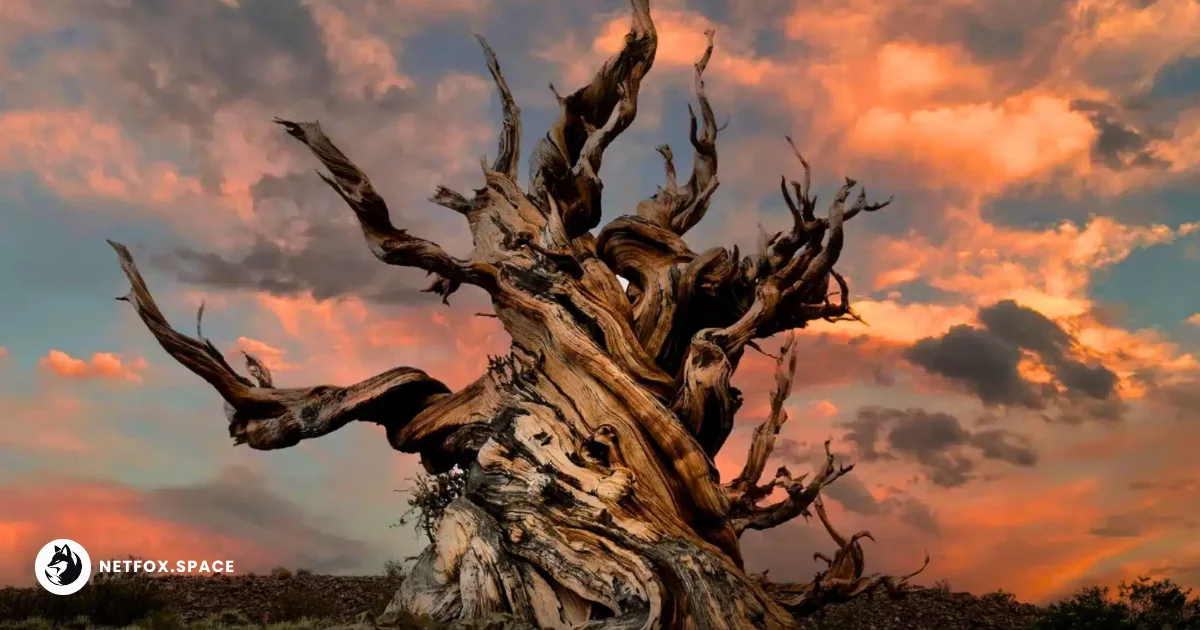
Researchers have completed a detailed genomic analysis of the Great Basin bristlecone pine, identified as the world's oldest non-clonal living organism. The study pinpoints highly efficient DNA repair mechanisms and metabolic adaptations that allow these trees to survive for more than 5,000 years without traditional biological decay.
Genetic stability across five millennia of environmental stress
The Great Basin bristlecone pine (Pinus longaeva) thrives in high-altitude, arid environments where most other flora fail. Genomic sequencing reveals that the species has evolved a specialized suite of genes dedicated to DNA repair and cellular maintenance. Unlike many organisms that experience a gradual breakdown of genetic integrity over time a process known as senescence the bristlecone pine maintains remarkably stable meristematic cells. These cells, responsible for new growth, appear to function with the same efficacy in a 5,000-year-old specimen as they do in a sapling, effectively bypassing the biological clock that limits the lifespan of most terrestrial life.
Enhanced DNA repair pathways prevent mutational accumulation
A core finding of the genomic research is the presence of expanded gene families associated with protein folding and the repair of double-strand DNA breaks. In most organisms, the accumulation of mutations eventually leads to organ failure or systemic collapse. However, the bristlecone pine genome shows an intensified expression of "longevity genes" that actively monitor and correct errors during DNA replication. This high-fidelity repair system is complemented by the production of specialized resins and secondary metabolites that protect the tree from pathogens and oxidative stress, ensuring that even dead heartwood remains structurally sound for centuries, supporting the living tissue.
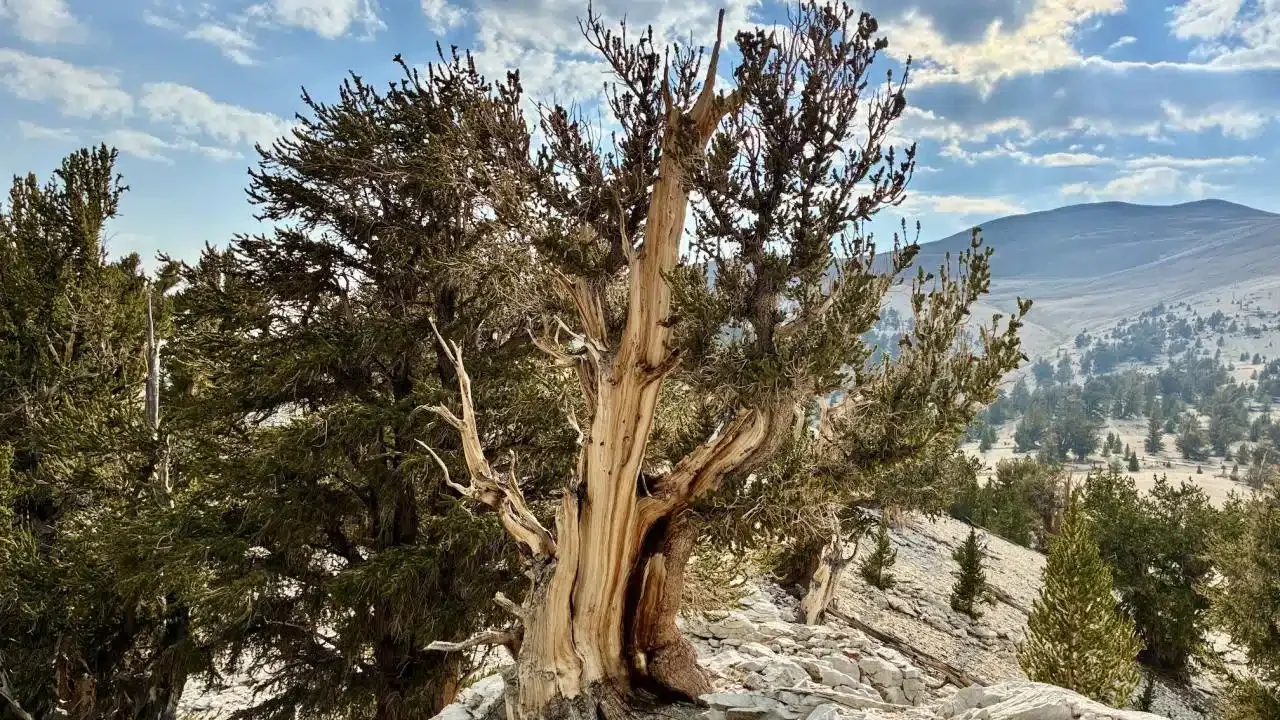 The bristlecone pine tree is the world’s oldest living non-clonal organism. This one grows in California’s White Mountains. Image credit: Kat Kerlin/UC Davis
Meristematic persistence and the absence of traditional senescence
From a practitioner's perspective, the "secret" to the bristlecone’s longevity is not true immortality, but rather an extreme form of negligible senescence. The tree does not grow "old" in the human sense; instead, it grows extremely slowly, often adding only an inch of girth per century. This slow metabolic rate minimizes the production of harmful byproducts like reactive oxygen species. The research indicates that as long as the vascular system (the cambium) remains intact, the tree can theoretically continue to produce new needles and wood indefinitely. The primary threats to these ancient organisms are not internal biological failure, but external factors such as physical uprooting, severe drought, or escalating temperature shifts that exceed their historical tolerances.
Implications for aging research and ecological conservation
While the term "immortality" is often used in headlines, the scientific value of this sequencing lies in understanding the limits of biological durability. By identifying the specific regulators of the bristlecone's DNA repair, researchers hope to gain insights into how other species might better manage cellular stress. However, the current findings also serve as a warning. These trees are highly specialized for a stable, if harsh, climate. The same genetic traits that allow them to endure for 5,000 years in cold, dry conditions may not provide the flexibility needed to survive the rapid environmental changes currently observed in the Great Basin region.
Comments (0)
Please login to comment
Sign in to share your thoughts and connect with the community
Loading...