

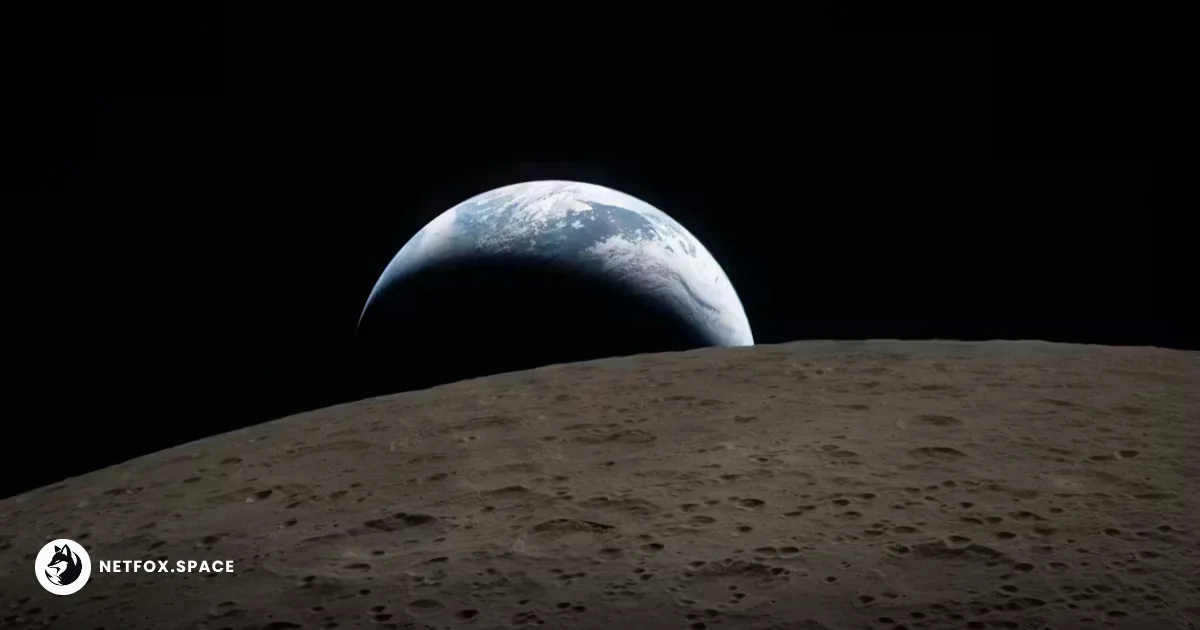
The capture of the "Earthset" image by the Artemis II crew marks the first human-captured view of Earth descending behind the lunar limb in over fifty years. While the image draws inevitable comparisons to the 1968 "Earthrise" taken by Bill Anders, the two photographs represent vastly different technical achievements and mission constraints.
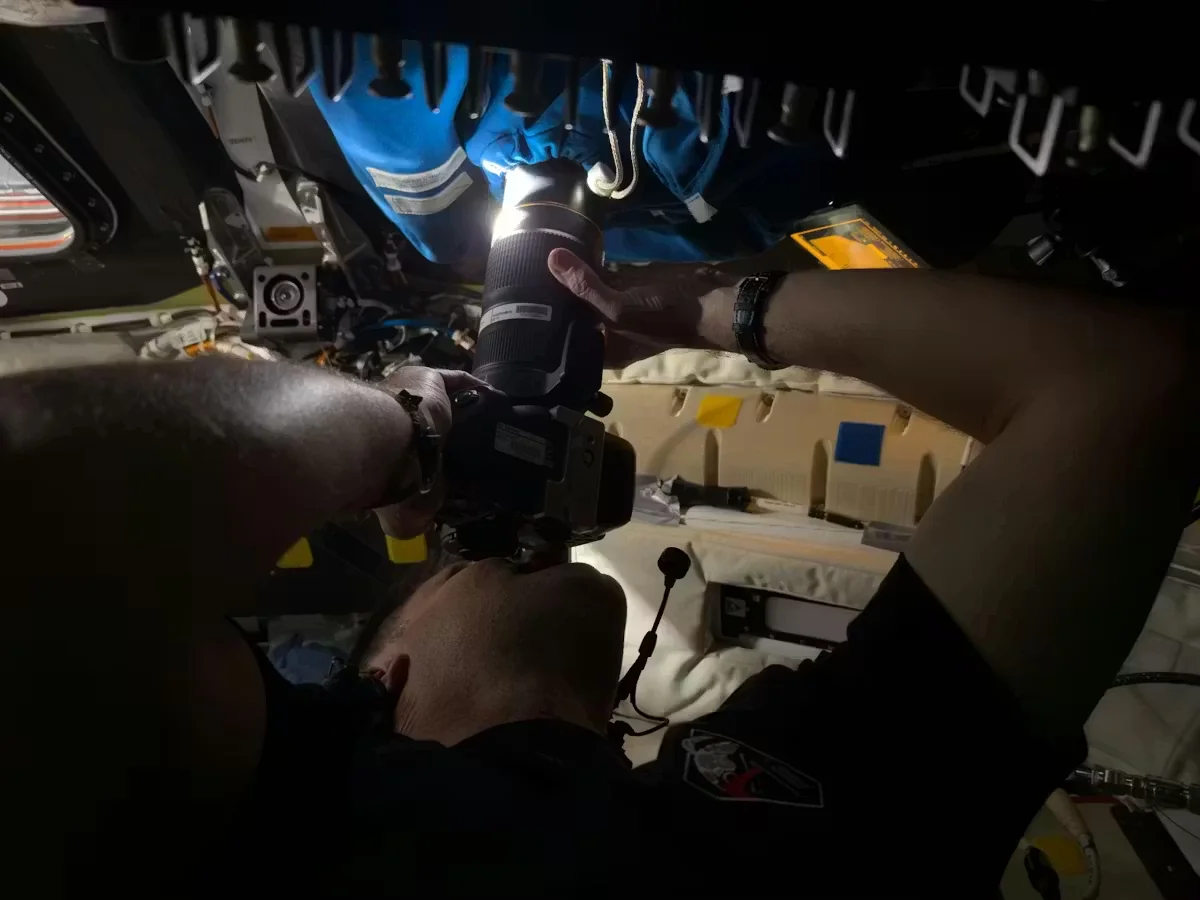 Photography is a high priority for the Artemis II crew, but things were different when the Earthrise image was taken in 1968. Nasa
Orbital mechanics dictate the Earthset perspective
The primary difference between the 1968 Earthrise and the 2026 Earthset lies in the spacecraft's trajectory. During the Apollo 8 mission, the crew entered a circular lunar orbit, which meant they witnessed an "earthrise" every two hours as they emerged from the far side of the Moon. The 1968 image was famously unplanned; the crew was tasked with photographing lunar geology when the blue marble appeared over the horizon.
In contrast, Artemis II utilized a hybrid free-return trajectory that swung the Orion capsule behind the Moon without entering a permanent orbit. This flight path creates a single, specific window where the Earth appears to "set" behind the Moon from the perspective of the crew. Unlike the repetitive opportunities of Apollo, the Artemis II Earthset was a unique event determined by the high-altitude elliptical path of the spacecraft, which reached a distance of approximately 7,400 kilometers from the lunar surface.
 Left: Earth as captured by Artemis II astronaut Reid Wiseman in 2026; right: Earth captured aboard the Apollo 17 mission in 1972. Nasa
From 70mm chemical film to high-bit-depth digital sensors
The technical transition from 1968 to 2026 reflects a total overhaul in imaging science. The original Earthrise was shot on a Hasselblad 500EL using custom 70mm Kodak Ektachrome film. This required the crew to manually estimate exposure and "push" the film during processing back on Earth to compensate for the extreme contrast between the bright lunar surface and the blackness of space.
The Artemis II crew utilized specialized digital camera systems capable of capturing high dynamic range (HDR) data. Modern CMOS sensors allow for the simultaneous preservation of detail in the brilliant "Earthlight" and the deep shadows of the lunar craters. This digital capability is not merely aesthetic; it allows for more precise mapping of the lunar limb's topography against the Earth’s atmosphere, providing data on light refraction that was unavailable to the Apollo-era researchers.
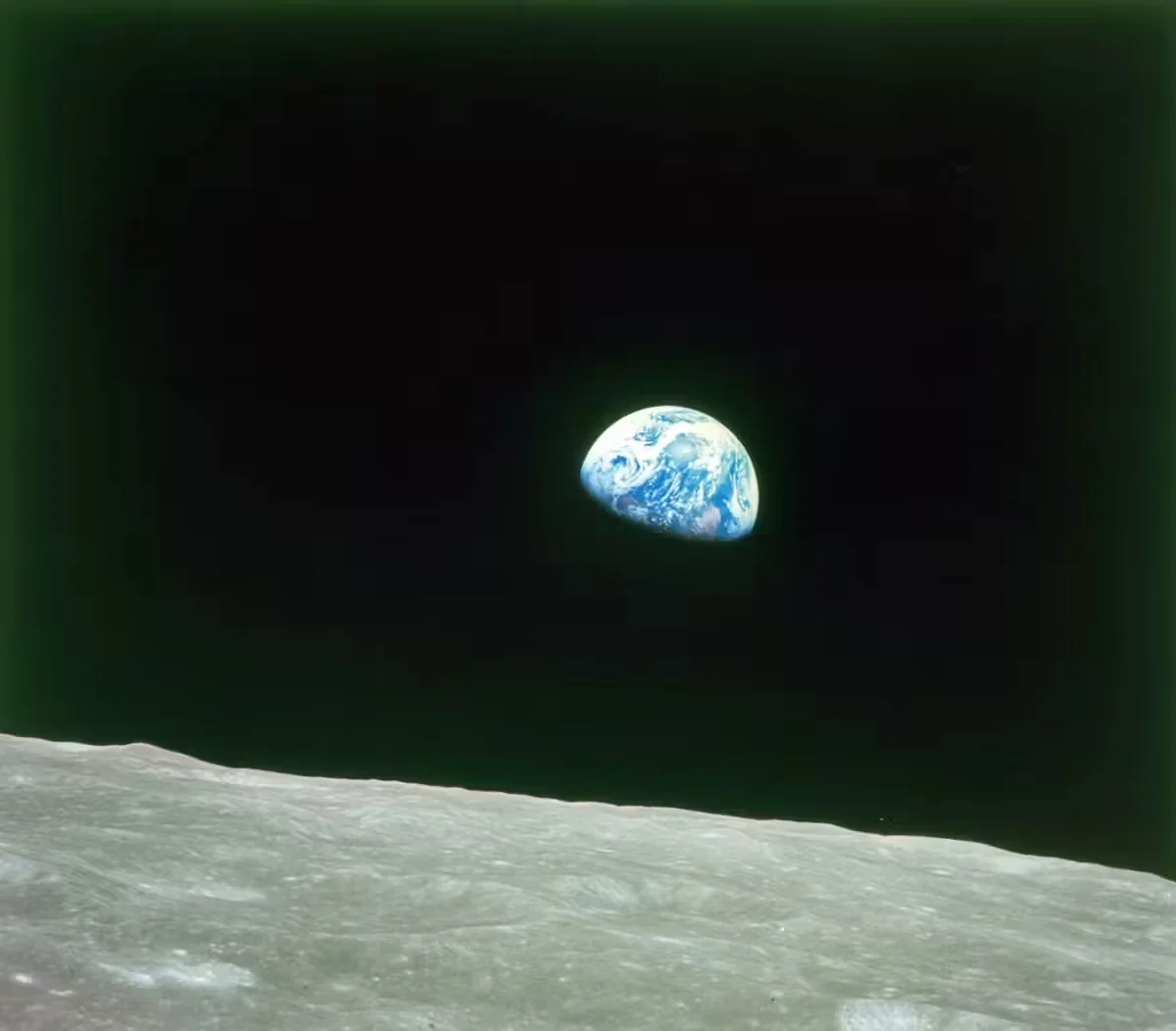 The Earthrise photo taken by Apollo 8 astronaut Bill Anders in 1968. Nasa
The shift from exploration serendipity to operational documentation
While the 1968 photo is credited with sparking the modern environmental movement, the Artemis II Earthset is a product of rigorous documentation. Every frame captured by the Orion crew is timestamped and synced with telemetry data to verify the spacecraft’s orientation and optical performance of the windows.
Where Apollo 8’s crew scrambled for color film to capture a surprising view, the Artemis II mission incorporated the Earthset as a planned observational event. This reflects the current NASA mandate of "sustained presence," where every visual asset serves as a benchmark for the optical navigation systems that will be used for future lunar landings. The Earthset is less a discovery and more a validation of the precision of modern orbital modeling.
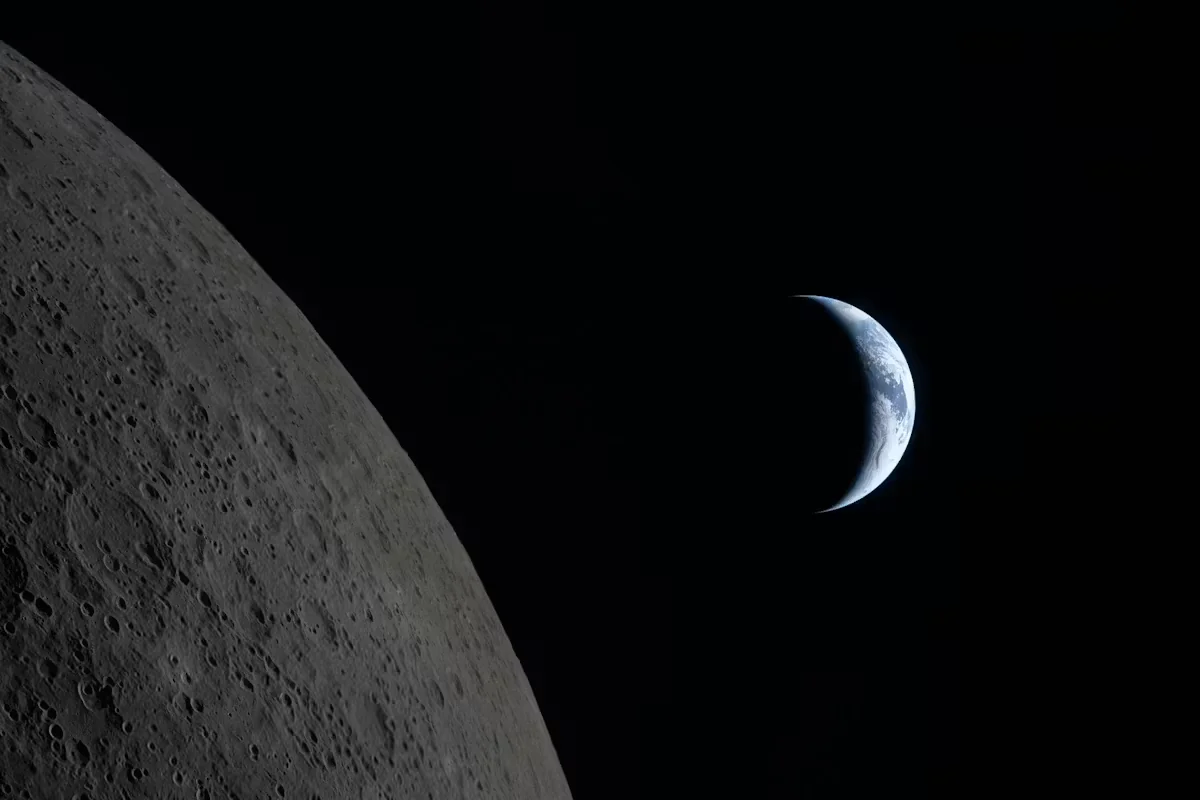 Our planet draws closer to passing behind the Moon in this image by the Artemis II crew. Nasa
Comments (0)
Please login to comment
Sign in to share your thoughts and connect with the community
Loading...