
Quark-Gluon Plasma in Neutron Stars: New Big Bang Evidence

The Extreme Density Threshold of Neutron Star Cores
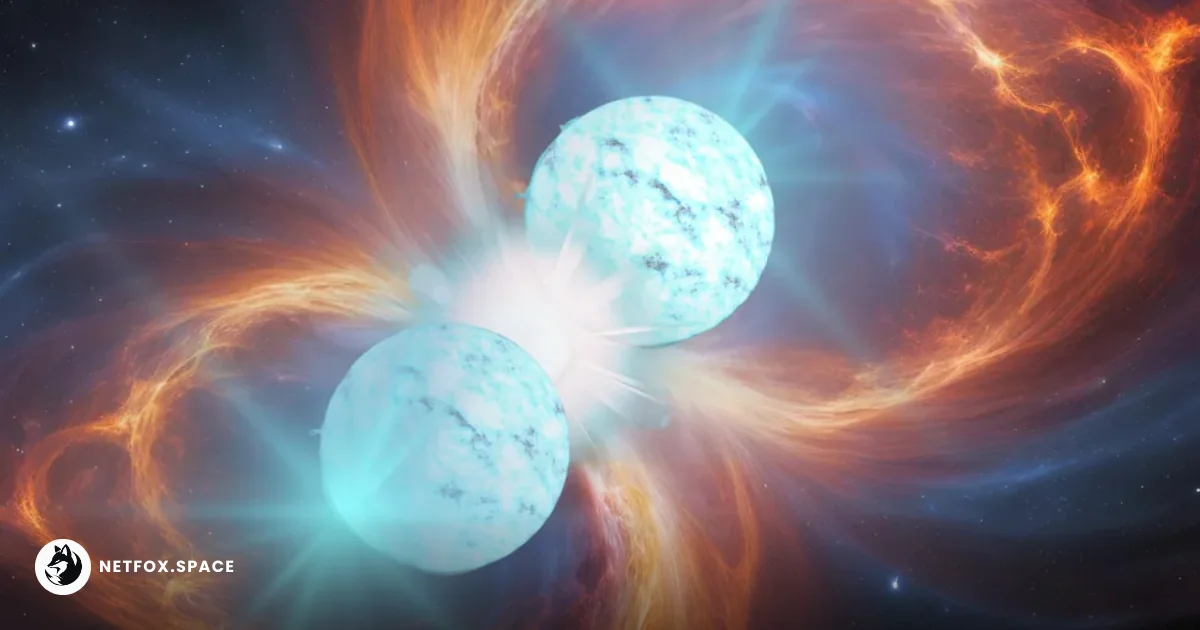
Recent astrophysical modeling suggests that the interior of Neutron Stars the collapsed remnants of massive suns may contain a state of matter not seen since the first microseconds after the Big Bang. While these stars are primarily composed of neutrons packed at densities exceeding , the gravitational pressure at their centers may be sufficient to dissolve individual nucleons.
This process results in the formation of Quark-Gluon Plasma (QGP), a "perfect fluid" where quarks and gluons move independently rather than being confined within protons or neutrons. The transition represents a fundamental shift in the Subatomic Physics sector, moving from hadronic matter to deconfined stellar matter.
Gravitational Wave Signatures as Diagnostic Tools
Detection of this primordial state relies on the observation of Gravitational Waves generated during neutron star mergers. When two such entities collide, the resulting "chirp" signal carries a frequency modulation that reveals the internal stiffness, or the "equation of state," of the stellar matter.
A core composed of QGP is significantly "softer" than one made of pure neutrons. By utilizing the Laser Interferometer Gravitational-Wave Observatory (LIGO) and the Virgo Interferometer, scientists can now measure tidal deformability the degree to which a star is stretched by its partner's gravity to distinguish between conventional hadronic cores and hybrid quark cores.
Thermodynamic Parallels: The Big Bang vs. Stellar Interiors
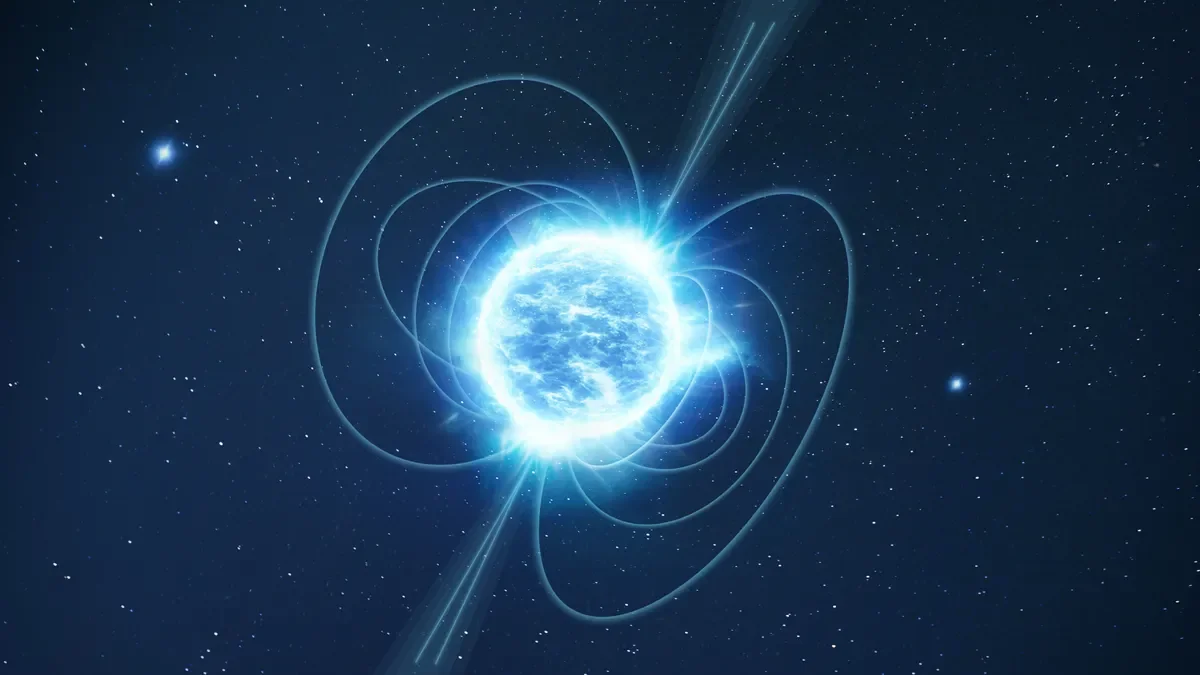
While high-energy particle accelerators like the Large Hadron Collider (LHC) create QGP through extreme heat, neutron stars achieve it through "cold" compression. This differentiation is critical for understanding the Quantum Chromodynamics (QCD) phase diagram.
| Feature | Early Universe QGP | Neutron Star QGP |
|---|---|---|
| Primary Driver | High Temperature () | High Baryon Density |
| Timescale | Microseconds post-Big Bang | Billions of years (Stellar lifetime) |
| Mechanism | Thermal Deconfinement | Pressure-Induced Deconfinement |
| Observation | Cosmic Microwave Background | Gravitational Wave Spectroscopy |
This "cold" QGP provides a unique laboratory for testing the stability of matter under conditions that are impossible to replicate in Earth-based laboratories, offering a direct link to the structural evolution of the early universe.
Systemic Implications for Nuclear Physics Models
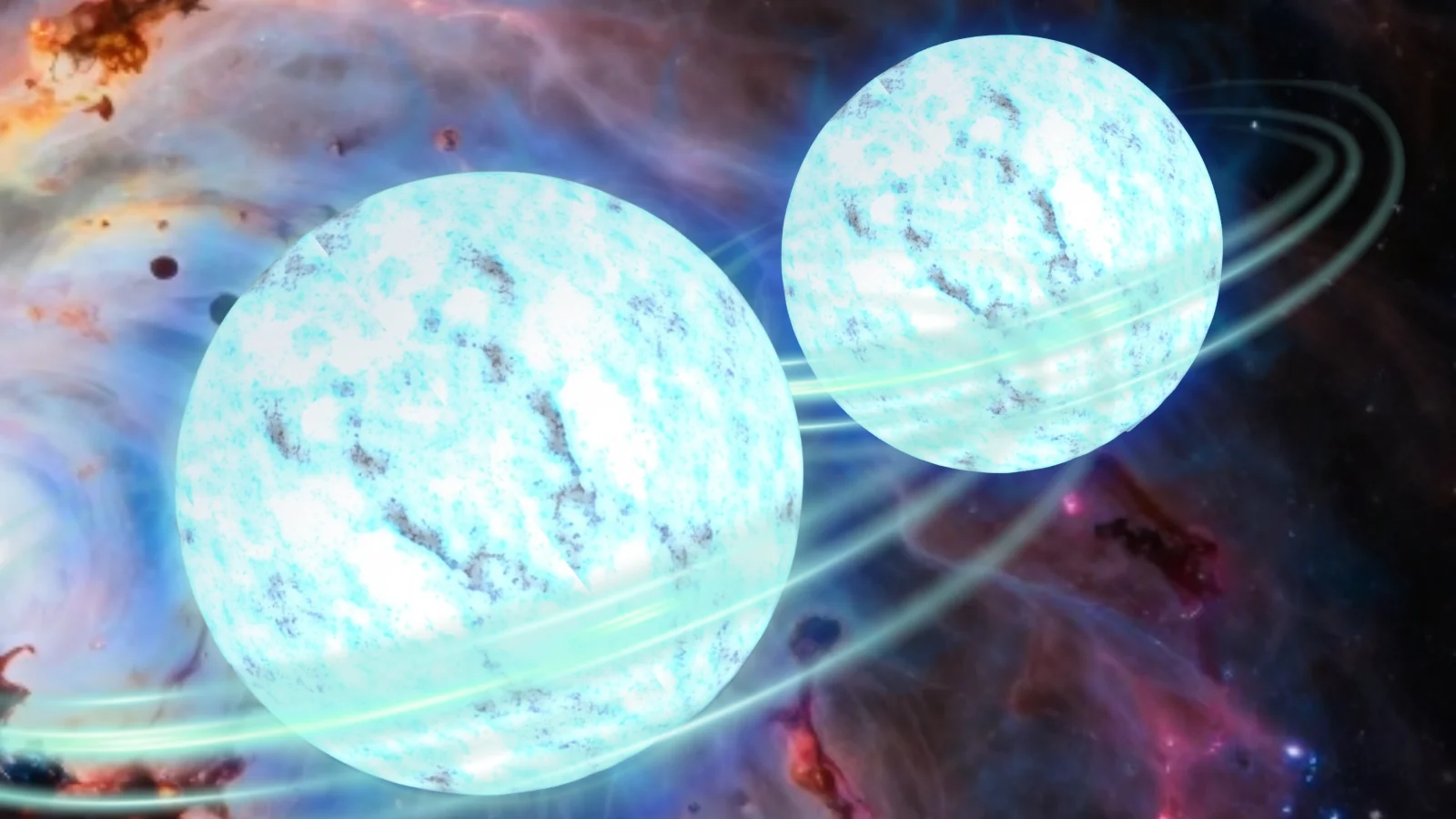
The presence of quarks in stellar remnants forces a re-evaluation of the maximum mass limit for neutron stars, known as the Tolman-Oppenheimer-Volkoff (TOV) limit. If deconfined quarks are common, the "squishiness" they introduce suggests that many objects currently classified as heavy neutron stars may actually be Quark Stars.
This shift impacts the Global Scientific Research sector's understanding of the transition between neutron stars and black holes. If the internal pressure of quarks can support a star against further collapse, it creates a new "missing link" in stellar evolution that challenges current general relativity applications in high-density environments.
Future Validation via Next-Generation Interferometry
Validation of the quark-core hypothesis awaits higher-resolution data from the upcoming Einstein Telescope and the Cosmic Explorer. These third-generation detectors will provide the sensitivity required to observe the post-merger oscillations of a neutron star remnant.
The specific frequency of these oscillations acts as a "fingerprint" for the state of matter within. Should these frequencies align with quark-matter predictions, it would confirm that the most ancient state of the universe is currently trapped and functioning as the engine of modern stellar remnants.
The structural integrity of the Standard Model of physics now rests on whether these celestial "dead" stars are actually reservoirs of the universe's first liquid.
Comments (0)
Please login to comment
Sign in to share your thoughts and connect with the community
Loading...