
Netfox
HomeQ&AAnti-ScamNotifications
© 2026 Netfox. All rights reserved.
Terms of ServicePrivacy PolicyAbout UsEditorial Policy
Comment
Health

The Healthiest Fish to Eat for Longevity and Brain Health

Hana Than
Hana Than
Apr 23, 20263 min
0
0
0
51
Nutrition experts prioritize small, fatty fish like sardines for high omega-3 content and low mercury levels. Learn how to optimize your seafood intake safely.

Small, cold-water fatty fish offer the highest concentration of heart-healthy omega-3 fatty acids while maintaining the lowest risk of heavy metal contamination. Nutritionists prioritize species like sardines and wild-caught salmon for their superior nutrient-to-toxin ratio compared to larger predatory fish.

The nutritional advantage of small-scale bioaccumulation

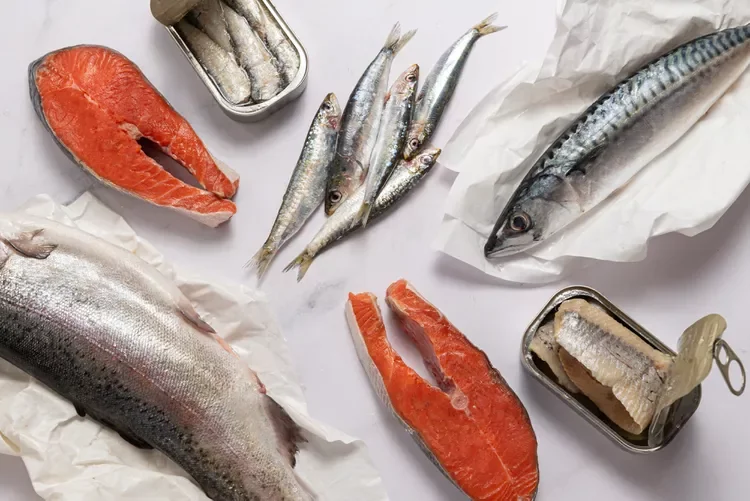
The primary reason nutrition experts consistently rank sardines, anchovies, and mackerel at the top of health lists is the biological principle of bioaccumulation. Larger, long-lived predatory fish such as swordfish, shark, and certain tunas consume smaller fish over several years, concentrating mercury and polychlorinated biphenyls (PCBs) in their tissues.

By choosing fish lower on the food chain, consumers can obtain high doses of Eicosapentaenoic acid (EPA) and Docosahexaenoic acid (DHA) without the cumulative toxic load associated with apex predators. These fatty acids are critical for reducing systemic inflammation and maintaining the structural integrity of neuronal membranes in the brain.
Credit: Paola + MurrayCredit: Paola + Murray

Comparing wild-caught and farmed nutrient profiles

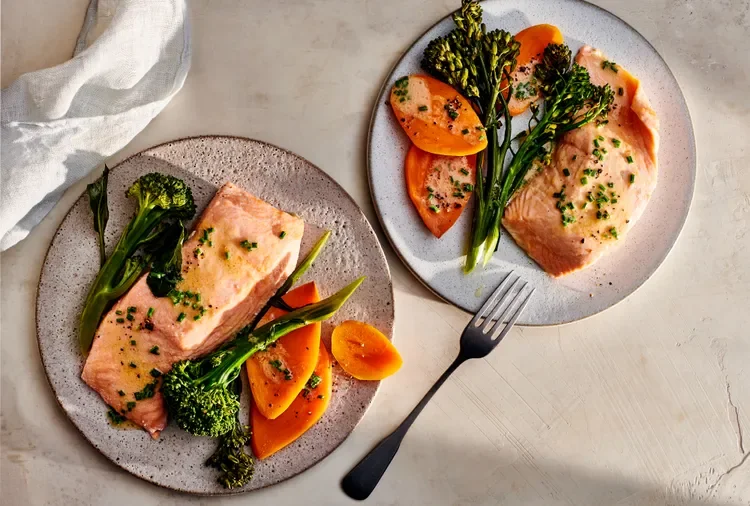
While wild-caught salmon is frequently cited as a gold standard for health, the distinction between wild and farmed varieties involves specific trade-offs in fat composition. Wild-caught species typically possess a leaner profile but a more favorable omega-3 to omega-6 ratio, which is essential for managing the body's inflammatory response.

Farmed fish may contain higher total fat, but their specific nutrient density depends heavily on their feed. However, recent shifts in aquaculture practices have improved the profile of farmed salmon, making it a viable alternative when wild-caught options are unavailable. The critical factor for the consumer remains the consistent intake of at least two servings per week to meet cardiovascular health benchmarks.

Essential minerals beyond omega-3 fatty acids

The health benefits of small fish extend beyond healthy fats; they are also efficient vehicles for essential minerals that are often under-consumed in modern diets. Small fish like sardines, particularly when consumed with their soft, edible bones, provide a significant source of calcium and vitamin D, which are vital for bone density and immune function.

Furthermore, these species are rich in selenium, an antioxidant that may help protect against the very mercury toxicity found in larger fish. This natural "antidote" mechanism further reinforces why smaller species are considered a safer long-term dietary staple. For those concerned with sustainability, these fish also tend to have lower environmental footprints and more resilient populations than larger commercial species.
Credit: Sonia BozzoCredit: Sonia Bozzo

Practical limitations and preparation constraints

While the nutritional evidence heavily favors oily fish, palatability and preparation remain significant barriers to adoption. Nutritionists emphasize that the health benefits of fish can be negated by high-heat frying or the addition of heavy, cream-based sauces, which introduce trans fats and excess sodium.

Baking, poaching, or grilling are the preferred methods to preserve the integrity of the delicate omega-3 oils. Additionally, individuals on certain medications, such as blood thinners, or those with specific conditions like gout (due to high purine content in some oily fish) should consult with a healthcare provider to determine the appropriate serving frequency.

Comments (0)

Sort by

Please login to comment

Sign in to share your thoughts and connect with the community

Loading...

Related news

Leading cardiology groups advise a shift toward home cooking to reduce reliance on ultra-processed foods (UPFs), citing cardiovascular risks and health impacts.

Cardiologists Urge Home Cooking to Cut UPF Intake

52 views•3 min
Health officials are monitoring passengers from the MV Hondius for hantavirus. Learn about the transmission risks, symptoms, and current status of the investigation.

Hantavirus Cruise Monitoring: Risk and Transmission Facts

62 views•4 min
Discover why clinical dietitians emphasize protein at breakfast for blood sugar stability, satiety hormone regulation, and muscle protein synthesis maintenance.

Why Dietitians Recommend High-Protein Breakfasts

91 views•3 min
New research suggests frequent daytime napping may be linked to higher risks of hypertension and stroke. Learn the difference between restorative and reactive sleep.

Frequent Napping Linked to Health Risks in New Study

68 views•3 min
Recent research suggests a link between pesticide residues on fruits and vegetables and increased lung cancer risk in non-smokers under 50. Learn the study's findings.

Pesticide Risks in Produce and Lung Cancer in Non-Smokers

66 views•3 min
A breakdown of the Mediterranean diet’s evidence base, its impact on chronic disease risk, and how to implement its core components according to Harvard health data.

Mediterranean Diet Evidence and Implementation Guide

46 views•3 min
A new study of 50,000 adults suggests a correlation between high fruit and vegetable intake and certain lung cancer risks. Experts urge caution in interpreting the data.

Fruit and Vegetable Intake Linked to Specific Lung Cancer Risk

75 views•3 min
mRNA vaccines show durable immune responses in pancreatic and melanoma trials, marking a shift toward personalized immunotherapy despite logistical hurdles.

mRNA Cancer Vaccines Show Promise in Early Clinical Trials

74 views•4 min
A systematic review of donanemab and lecanemab finds that despite reducing amyloid plaques, the drugs do not offer clinically significant cognitive improvements.

New Alzheimer's Drugs Lack Clinical Benefit, Review Finds

66 views•3 min
San Francisco health officials have confirmed the city's first case of Clade I mpox. Learn about the strain's severity, local risks, and how to access vaccines.

SF Reports First Clade I Mpox Case: What to Know

72 views•3 min
New research suggests sodium levels in drinking water, driven by rising sea levels, may contribute significantly to hypertension in coastal communities.

Drinking Water Sodium May Impact Blood Pressure

66 views•3 min
Learn how to reduce tick populations in your yard using moisture management, wood chip barriers, and strategic landscape design based on CDC and health data.

How to tick-proof your yard: Science-backed prevention steps

69 views•3 min
Over 350,000 supplement bottles have been recalled due to a failure in child-resistant packaging requirements, posing risks of poisoning and serious injury.

350,000 Supplement Bottles Recalled for Safety Risks

84 views•3 min
Scientists have identified the specific transport mechanism that allows Vitamin B1 to enter mitochondria, confirming a biological theory first proposed in 1959.

Vitamin B1 Hypothesis Proven After 67 Years

72 views•3 min
Research indicates that exceeding recommended Vitamin D levels can lead to hypercalcemia and bone health risks, challenging the "more is better" supplement trend.

Risks of Excessive Vitamin D Supplementation Explained

86 views•3 min
Experts warn that high doses of vitamins can lead to toxicity. Learn the six clinical signs of supplement overdose, from skin changes to nerve damage.

Signs of Vitamin Overdose: 6 Symptoms of Toxicity

83 views•3 min
While lemons and limes share a citrus lineage, their nutritional profiles and vitamin C levels differ. Learn which fruit offers higher acidity and specific health benefits.

Lemons vs. Limes: Nutritional Differences and Health Benefits

74 views•3 min
Not all "health" foods are equal. Nutritionists flag granola bars, flavored yogurt, and fruit juices as ultra-processed items that may hinder health goals.

6 'Healthy' Foods Classified as Ultra-Processed

91 views•3 min
A recent study found that NMN supplements may reduce systolic blood pressure and arterial stiffness. Learn about the study limitations and clinical relevance.

Can NMN Lower Blood Pressure? New Study Results

74 views•3 min
Scientists identify a specific brain activity pattern common to DMT, LSD, and psilocybin that may predict how patients respond to psychedelic therapy.

Neural Fingerprint of Psychedelics Identified in Brain

88 views•4 min