

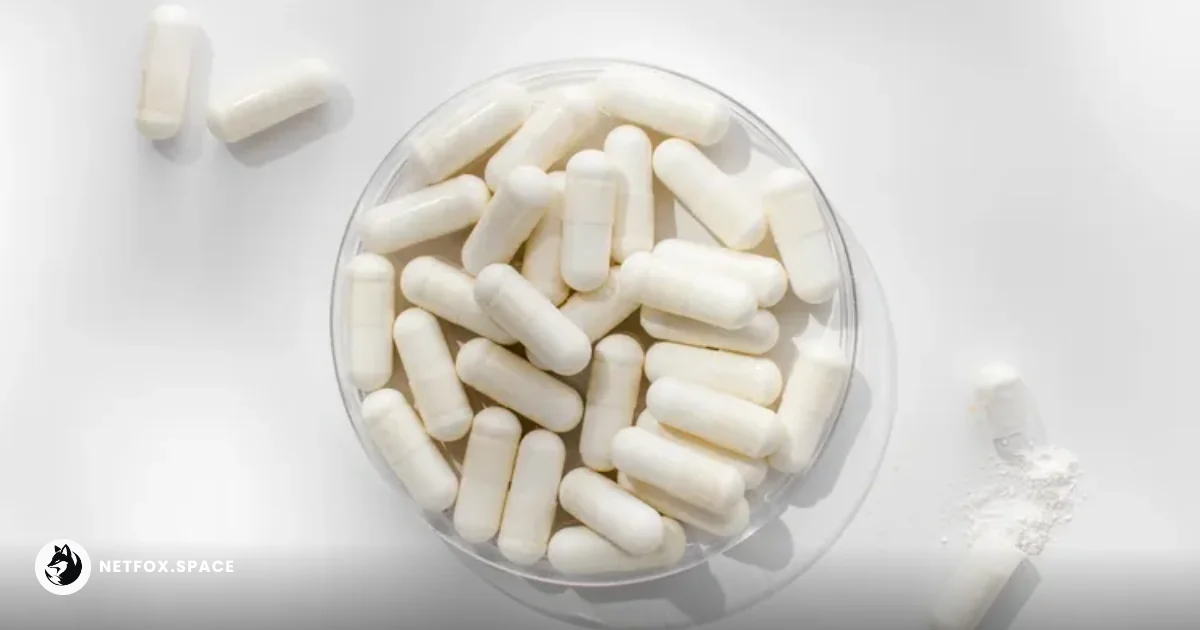
A recent clinical trial indicates that nicotinamide mononucleotide (NMN), a popular anti-aging supplement, may significantly reduce systolic blood pressure and arterial stiffness in healthy middle-aged adults.
Systolic blood pressure saw a 7% reduction in the NMN treatment group
In a randomized, double-blind, placebo-controlled trial, researchers observed that participants taking NMN experienced a measurable decline in systolic blood pressure over a 12-week period. The study focused on healthy adults aged 40 to 59, a demographic often targeted for early intervention in cardiovascular health. While diastolic blood pressure remained largely unchanged, the reduction in systolic pressure suggests a specific impact on the force the heart exerts while beating.
This finding is particularly relevant for practitioners monitoring early signs of hypertension. Unlike many anecdotal claims surrounding "longevity" supplements, this reduction in cardiovascular markers provides a concrete metric that can be evaluated in a clinical setting, though the effect size must be weighed against the small scale of the trial.
 Credit: Getty Images. EatingWell Design.
NMN appears to influence arterial stiffness through NAD+ pathways
The biological mechanism behind these findings is tied to NMN’s role as a precursor to nicotinamide adenine dinucleotide (NAD+), a coenzyme essential for cellular energy and DNA repair. As humans age, NAD+ levels naturally decline, which has been linked to increased arterial stiffness and reduced vascular elasticity. By boosting NAD+ levels, NMN may help maintain the health of the endothelium the lining of the blood vessels thereby improving their ability to dilate and contract.
During the study, researchers utilized pulse wave velocity tests to measure arterial stiffness. The data indicated that the NMN group showed improved vascular flexibility compared to the placebo group. For health-conscious consumers, this suggests that the supplement's primary value may lie in structural vascular support rather than immediate, broad-spectrum blood pressure management.
 Taurine has shown some early promise as an anti-aging treatment. But much more research is needed to confirm this application. . | Credit: Javier Zayas Photography via Getty Images
Significant limitations remain regarding sample size and long-term safety
Despite the positive signal, the study’s small sample size of only 36 participants limits the ability to generalize these results to the general population. Small-scale trials are often susceptible to statistical outliers, and the short duration of 12 weeks does not provide insight into the potential side effects of chronic, multi-year supplementation. Furthermore, the participants were generally healthy; it is currently unknown if NMN would provide the same benefit to individuals already diagnosed with stage 2 hypertension or those taking prescription medication.
Clinicians and consumers should also note that NMN is currently in a complex regulatory position. In the United States, the FDA has previously stated that NMN cannot be marketed as a dietary supplement because it is being investigated as a new drug. This creates a discrepancy between the available research and the legal availability of the product, necessitating a cautious approach for those considering NMN for blood pressure management.
Comments (0)
Please login to comment
Sign in to share your thoughts and connect with the community
Loading...