

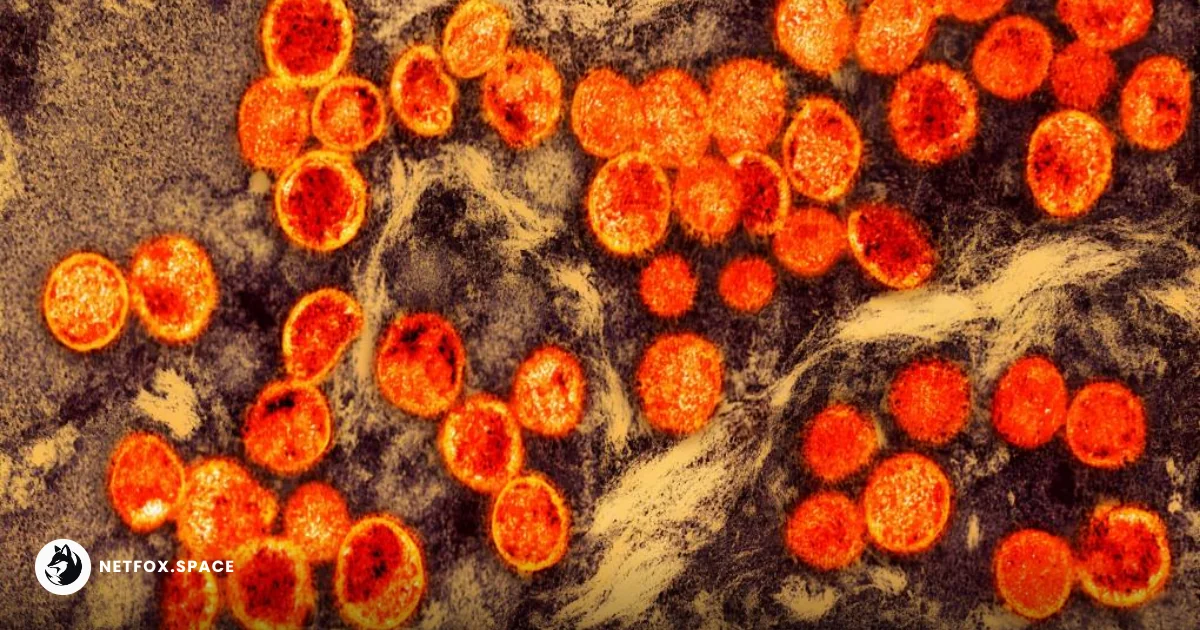
San Francisco health officials have confirmed the city's first case of Clade I mpox, a strain historically associated with more severe illness than the version that circulated globally in 2022. While the Department of Public Health (SFDPH) maintains that the risk to the general public remains low, the detection has triggered a localized push for vaccination among high-risk communities.
Distinction between Clade I and Clade II strains
The case marks a shift in the local epidemiological profile of the virus. Since the 2022 outbreak, most cases in the United States have been caused by Clade IIb. Initial health alerts indicate that Clade I has historically resulted in higher hospitalization rates and more severe complications in endemic regions.
However, clinical severity is often influenced by the quality of available healthcare and the specific sub-lineage of the virus. Health officials are monitoring whether this specific introduction carries the same morbidity profile seen in international outbreaks. Unlike the 2022 strain, which primarily spread through close skin-to-skin contact during sexual encounters, researchers are evaluating the extent to which Clade I may utilize different or more efficient transmission paths, though direct contact remains the primary concern.
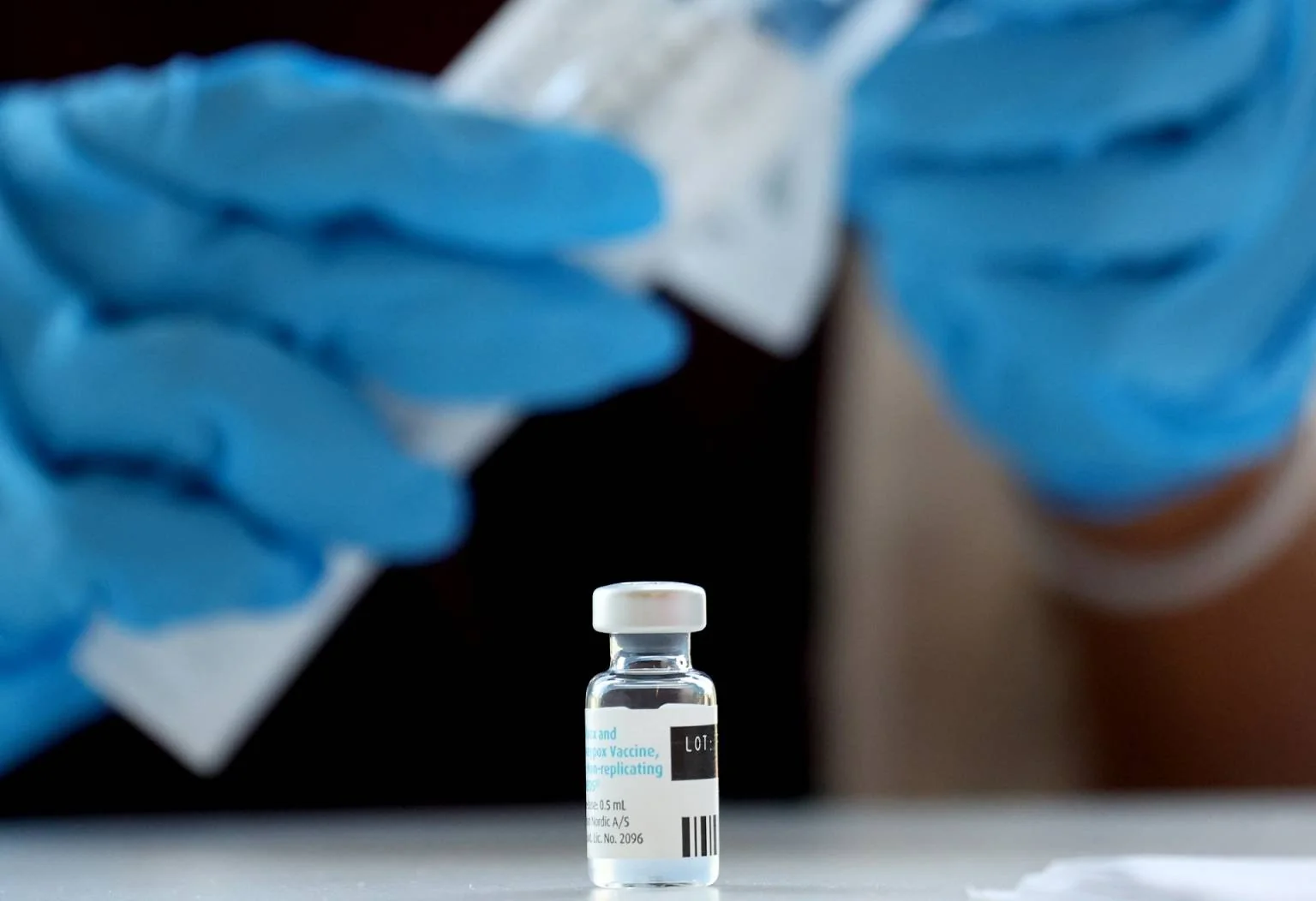 A pharmacist prepares a dose of the Jynneos mpox vaccine at a pop-up vaccination clinic opened by the Los Angeles County Department of Public Health at the West Hollywood Library on Aug. 3, 2022, in West Hollywood, California. (Mario Tama/Getty Images)
Vaccine efficacy and the Jynneos rollout
San Francisco is prioritizing the administration of the Jynneos vaccine, which is a two-dose series designed to prevent both Clade I and Clade II infections. While no vaccine is 100% effective, current medical guidance suggests that individuals who have completed the two-dose series have significant protection against severe disease, even if a breakthrough infection occurs.
Practitioners emphasize that those who only received a single dose during previous outreach efforts are not fully protected. The SFDPH has coordinated with local clinics to ensure that vaccine supplies are distributed to community hubs, particularly those serving the LGBTQ+ community and individuals with multiple sexual partners, who remain at the highest statistical risk.
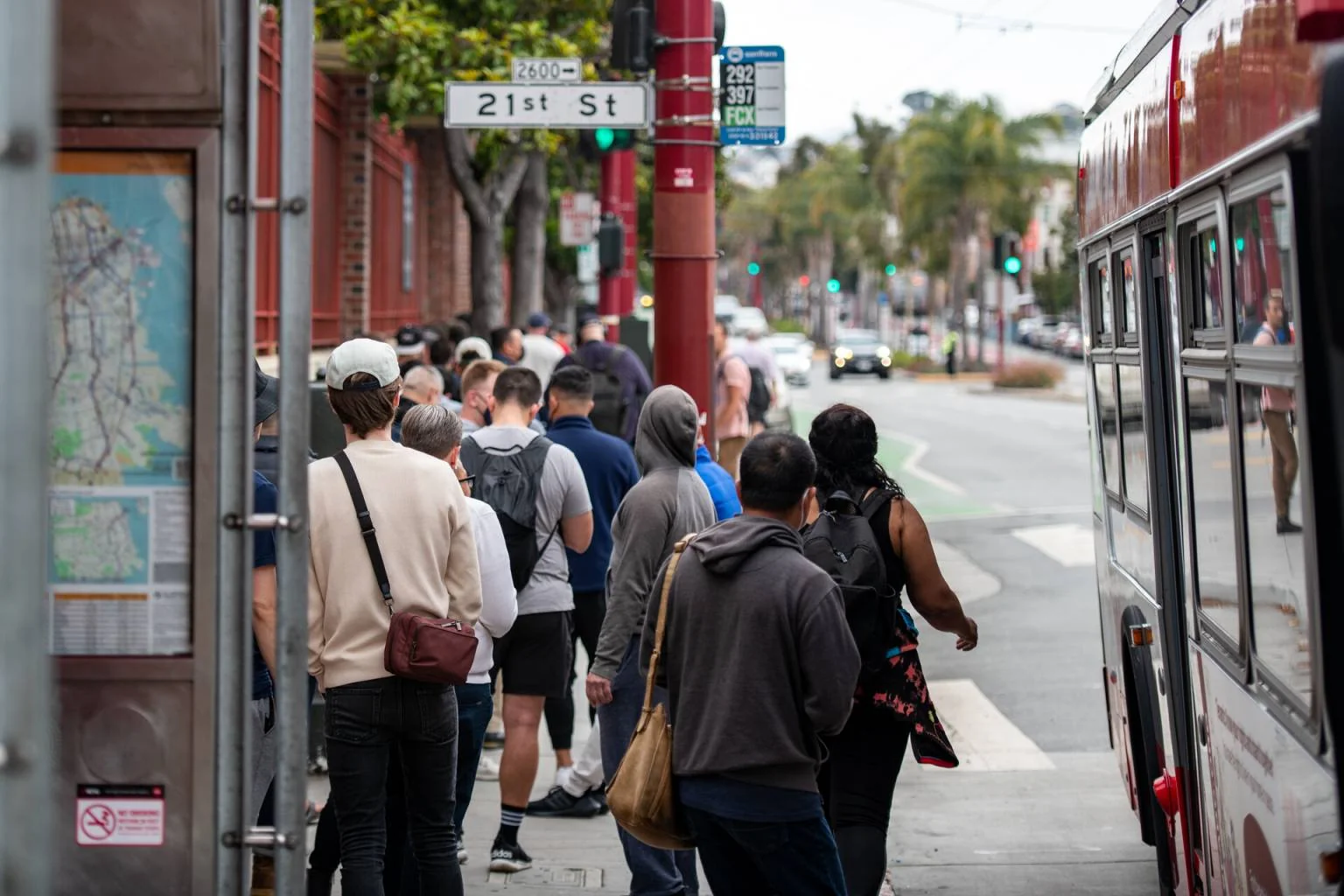 Hundreds of people wait in a walk-in line for an mpox vaccine at Zuckerberg San Francisco General Hospital on Monday, Aug. 1, 2022. (Beth LaBerge/KQED)
Clinical symptoms and immediate steps for residents
The symptoms of Clade I mpox typically mirror those of Clade II but may present with a more extensive rash or more pronounced systemic symptoms like high fever and swollen lymph nodes. The incubation period can last up to 21 days, making contact tracing essential for containing the spread of this new introduction.
Residents who develop an unexplained rash or sores should isolate immediately and contact a healthcare provider. Because the virus can spread through contaminated linens and clothing, defenders of public health suggest that individuals in high-risk settings exercise caution with shared materials. The city has not yet implemented broad restrictions, focusing instead on targeted testing and the "ring vaccination" of close contacts to the confirmed case.
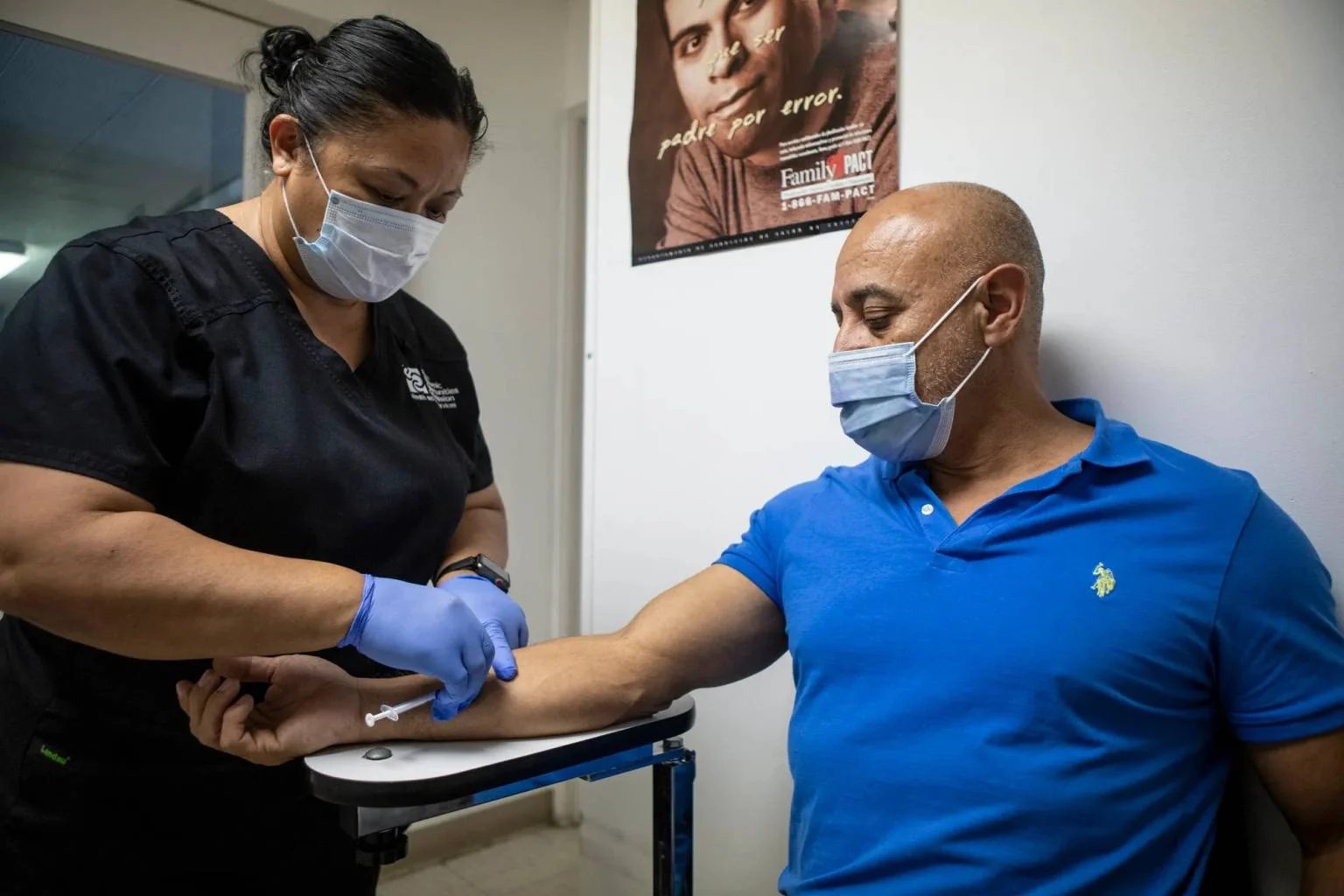 Fresno resident Gonzalo Garcia receives the mpox vaccine on Aug. 24, 2022. (Larry Valenzuela/CalMatters/CatchLight Local)
Comments (0)
Please login to comment
Sign in to share your thoughts and connect with the community
Loading...