


While front-of-pack marketing often highlights fiber, protein, or low-fat content, many modern staples are technically classified as ultra-processed foods (UPFs) due to industrial additives and high-heat manufacturing.
The mechanical shift from whole food to industrial isolate
Ultra-processed foods are defined not just by their salt or sugar content, but by the presence of substances not typically used in home kitchens, such as emulsifiers, flavor enhancers, and protein isolates. In many "healthy" snacks, the original food structure is broken down and reconstituted. This process often strips the food of its natural matrix, which changes how the body metabolizes nutrients. For example, refined grains and cereals may be fortified with vitamins, but they lack the original fiber complexity that regulates glucose absorption.
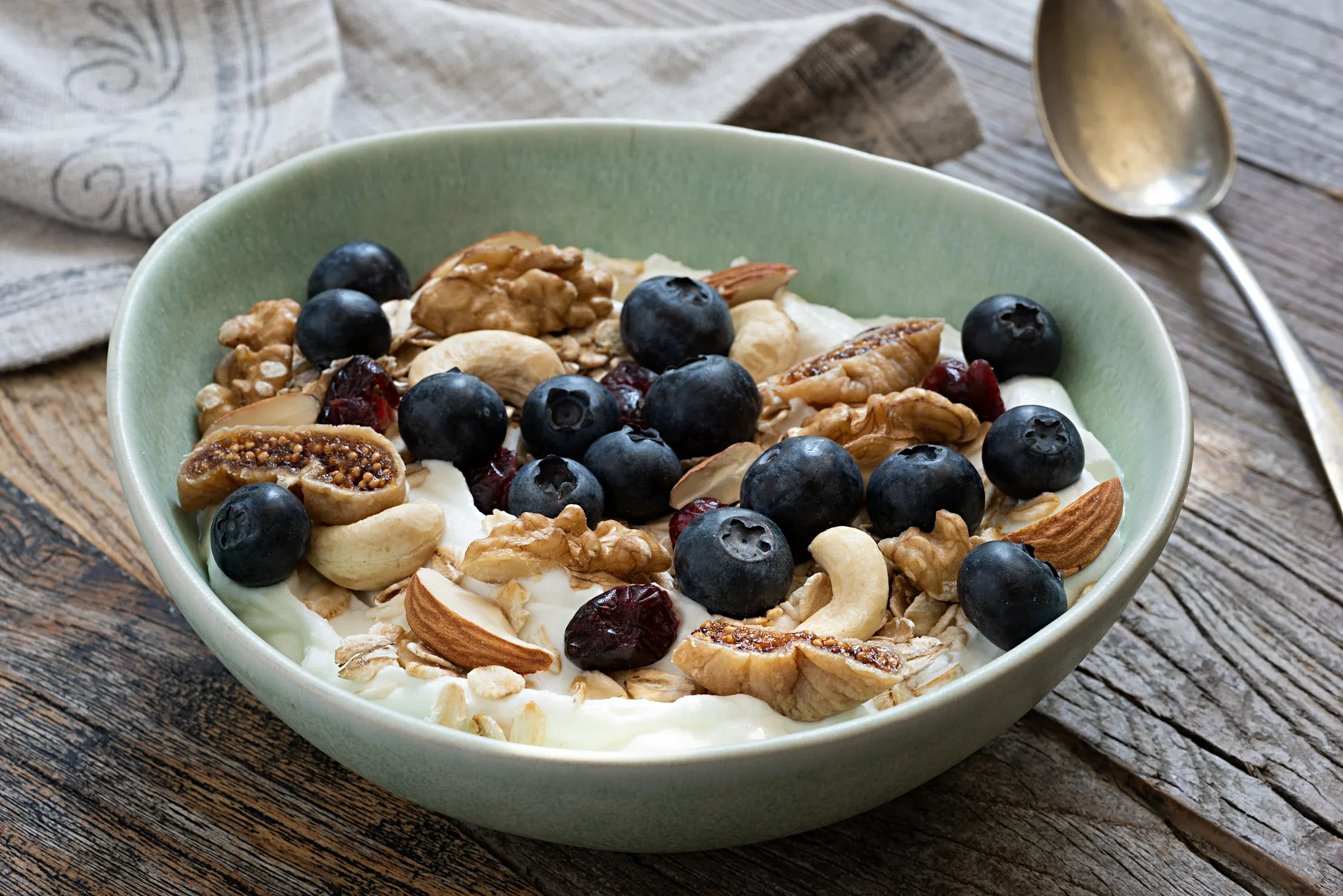 Flavoured low-fat yoghurts can be high in sugar and additives. (BURCU ATALAY TANKUT via Getty Images)
Granola and protein bars as 'reconstituted' snacks
Despite being marketed as fitness aids, many granola and protein bars rely on "glues" like invert sugar or high-fructose corn syrup to maintain their shape. Practitioners note that the addition of soy protein isolates and sugar alcohols places these items firmly in the UPF category. While they offer convenience, the high degree of processing means they are often calorie-dense but low in the satiety-inducing volume found in whole nuts or seeds.
The 'low-fat' yogurt and smoothie trade-off
The removal of fat from dairy products often necessitates the addition of thickeners, such as modified corn starch or carrageenan, to preserve a creamy mouthfeel. Flavored low-fat yogurts can contain as much sugar as a standard dessert, often hidden under names like fruit concentrate. Similarly, pre-packaged smoothies often lack the insoluble fiber found in whole fruit, leading to a faster insulin response and a shorter duration of fullness.
 Protein bars are easy to grab and snack on when you're famished between meetings or on the go, but they're often packed with sugar. (FreshSplash via Getty Images)
Identifying industrial ingredients in breakfast staples
Multigrain breads and vegetable chips are frequently cited as healthy alternatives, yet their ingredient lists often reveal a different reality. Many "veggie chips" are actually reconstituted potato starch mixed with vegetable powders, offering little more nutrition than a standard potato chip. For consumers, the most effective verification step is checking for "industrial-only" ingredients if the label contains items like "DATEM," "xanthan gum," or "artificial flavorings," the product is likely ultra-processed regardless of the health claims on the box.
Comments (0)
Please login to comment
Sign in to share your thoughts and connect with the community
Loading...