
Fruit and Vegetable Intake Linked to Specific Lung Cancer Risk

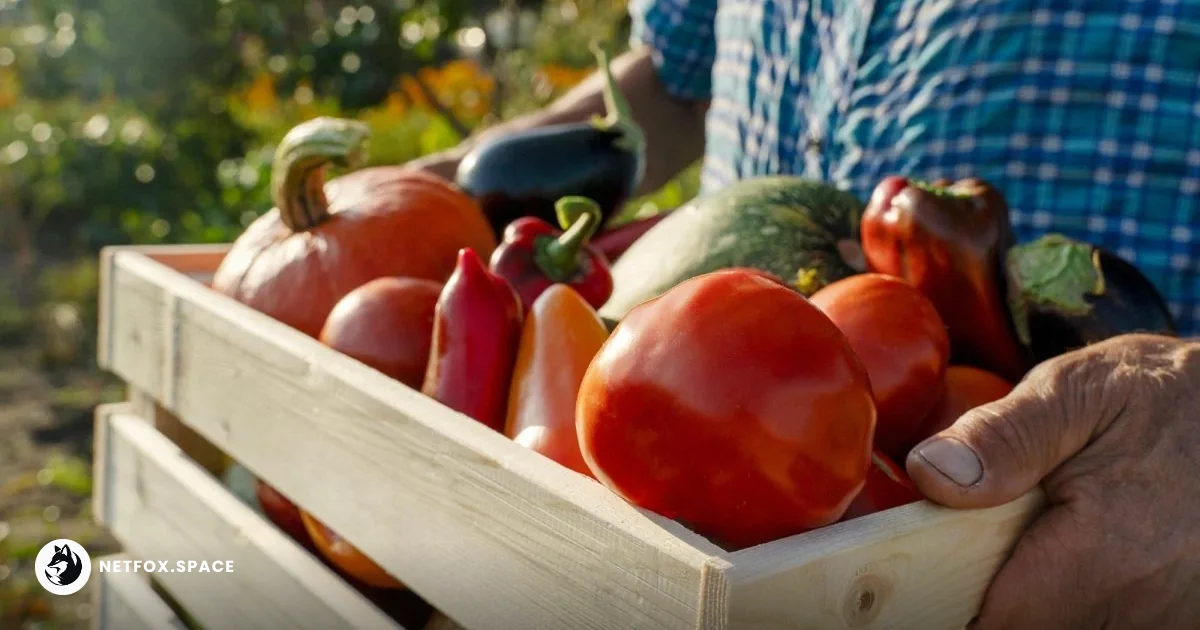
Standfirst: Researchers have identified a surprising statistical correlation between high consumption of fruits and vegetables and an increased risk of lung cancer in certain populations. While the findings challenge long-standing nutritional assumptions, experts emphasize that the study identifies a signal rather than a proven biological cause.
Observational Data Points to Unexplained Risk Increase
A comprehensive study involving over 50,000 adults has revealed that individuals in the highest quintile of fruit and vegetable consumption faced a statistically significant increase in lung cancer incidence compared to those with moderate intake. The details of the study indicate that the risk was most pronounced in "early-onset" cases, typically affecting individuals under the age of 50.
Unlike previous nutritional studies that often show a protective effect from plant-based diets, this data suggests that the relationship between fiber-rich diets and respiratory health may be more complex than previously understood. The researchers utilized self-reported dietary logs and tracked health outcomes over a ten-year period, according to the published findings.
 Photo by: Adobe Stock
Distinguishing Correlation from Biological Causation
It is critical to note that the study is observational, meaning it identifies a pattern rather than a direct mechanism. Practitioners in nutritional oncology point out that such findings often face "confounding variables" factors that are linked to both the diet and the disease but are not the cause themselves.
For instance, the report on early-onset cases notes that the increase was observed even among non-smokers. This raises questions about whether the risk is tied to the produce itself or external factors such as agricultural pesticide exposure, specific soil contaminants, or metabolic pathways that have yet to be mapped in this specific context. Without a controlled clinical trial, it is impossible to conclude that eating vegetables "causes" cancer.
 Fruits and vegetables don’t cause lung cancer, but a new study may explain why scientists found a link. Lucas Ottone/Stocksy
Limitations of Self-Reported Dietary Evidence
The reliance on participant-recalled dietary habits introduces a known limitation in health research: recall bias. Participants may over-report "healthy" behaviors, which can skew the data if those same participants are also exposed to unmeasured environmental risks.
Furthermore, the study does not yet differentiate between organic and conventionally grown produce, a distinction that could be vital if the risk is chemical rather than nutritional. Medical professionals suggest that until the biological mechanism is identified, patients should not radically alter balanced diets based on a single observational signal. The current consensus remains that a diverse diet is essential for overall metabolic health, even as this new data prompts a more rigorous look at modern food sourcing.
Comments (0)
Please login to comment
Sign in to share your thoughts and connect with the community
Loading...