

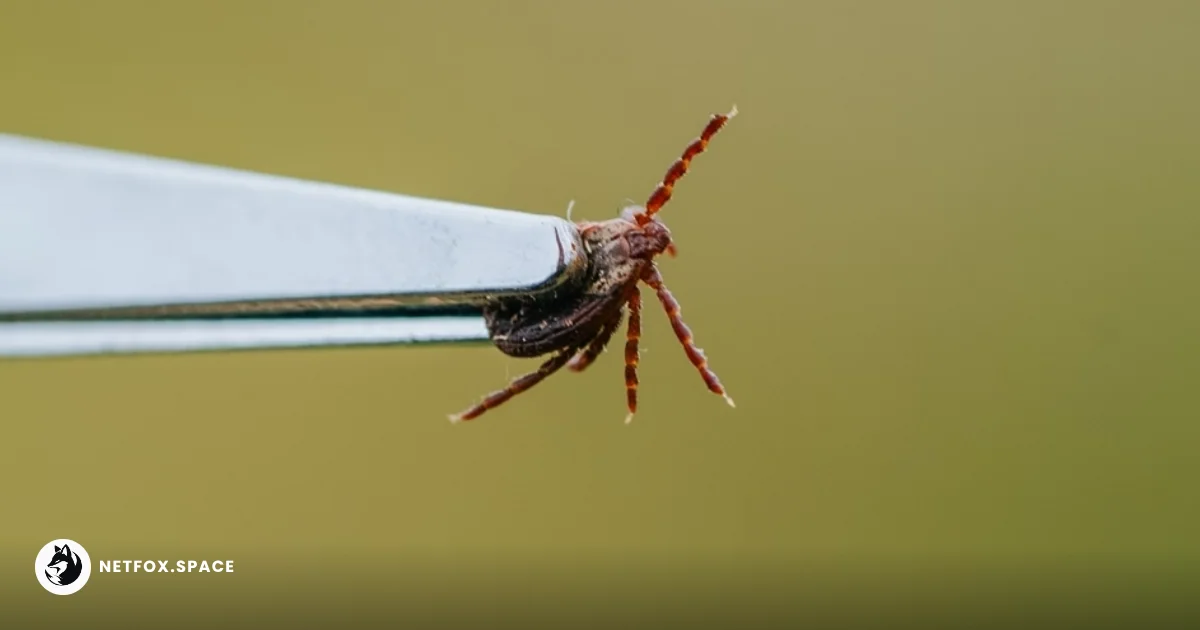
Recent health data indicates a seasonal spike in tick-related medical visits, necessitating a transition from reactive personal protection to proactive residential habitat management. By altering the microclimate of a backyard, homeowners can significantly reduce the likelihood of black-legged ticks surviving and questing near high-traffic areas.
Managing the desiccation threshold through lawn maintenance
The primary environmental constraint for most tick species, particularly the black-legged tick (Ixodes scapularis), is the requirement for high humidity. Ticks spend approximately 95% of their lives off-host, where they are highly susceptible to desiccation. Maintaining a lawn at a height of 3 inches or less removes the shade and moisture-trapping canopy required for their survival.
Effective landscape management involves more than just mowing. Removing leaf litter and clearing tall grasses from the perimeter of the home eliminates the humid "buffer zone" where ticks congregate. Practitioners suggest that sun-exposed, dry environments act as a natural deterrent, as ticks will typically retreat to deeper woods or brush to avoid lethal water loss.
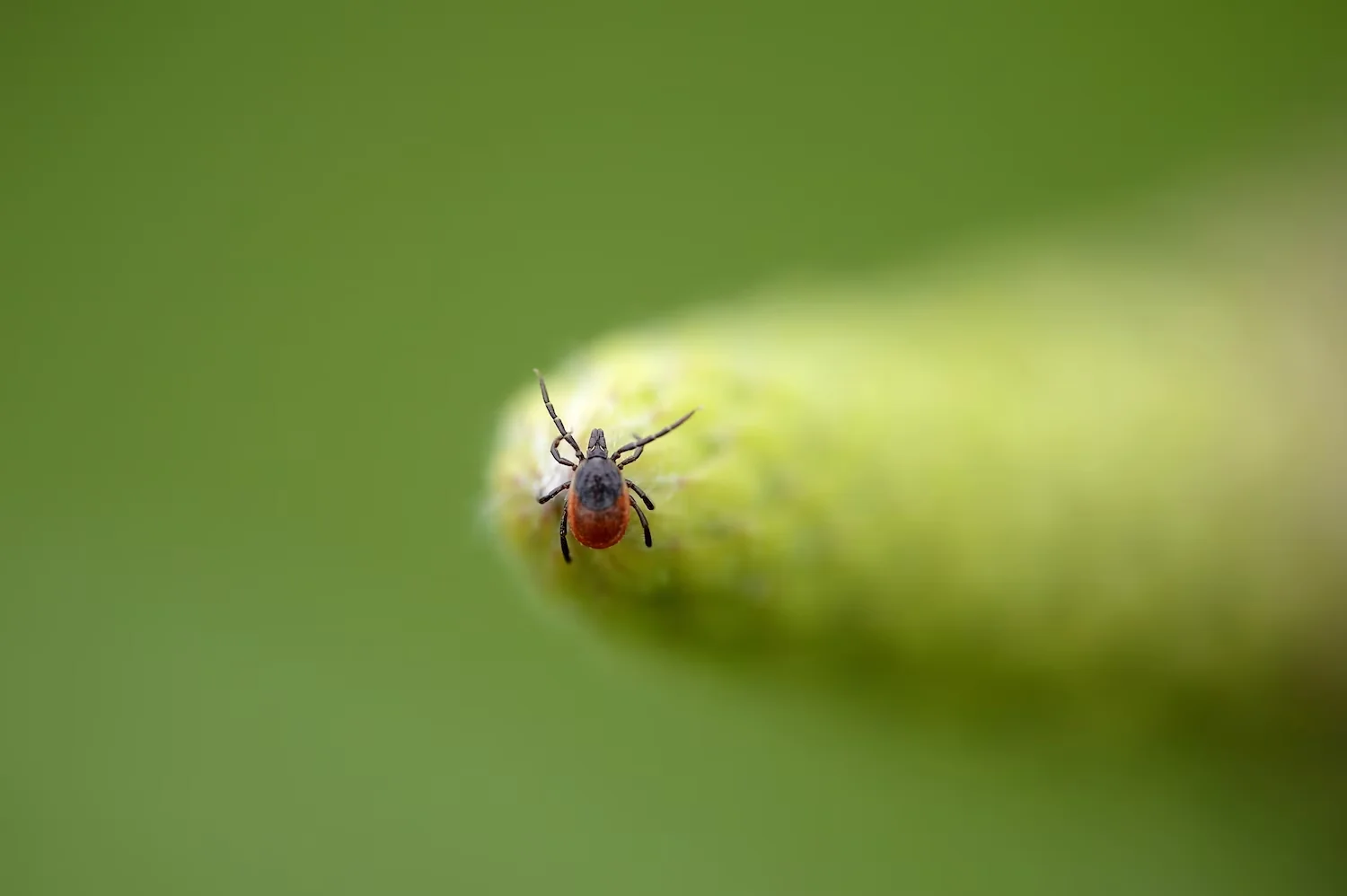 Stock photo of a tick. Imagebroker/david & Micha Sheldo/STOCK PHOTO/Getty Images
Constructing 3-foot physical barriers to halt questing
One of the most effective mechanical interventions recommended by health officials is the installation of a 3-foot wide barrier of wood chips, mulch, or gravel between lawns and wooded areas. This serves two functions: it creates a physical distance that ticks are unlikely to cross on their own, and it provides a dry surface that discourages questing.
When placing play equipment, patios, or decks, these structures should be situated in the "inner zone" of the yard, away from the wood-line. By keeping high-use areas in the sun and separated by a dry substrate, the risk of "ambush" questing where a tick waits on a blade of grass to latch onto a passing host is materially diminished.
Strategic host management and chemical interventions
While yard modification targets the environment, managing the movement of hosts is equally critical. Fencing can be used to exclude deer, which often drop adult ticks into residential spaces. For smaller hosts like mice, "tick tubes" filled with treated cotton can be placed in stone walls or woodpiles. This method utilizes the nesting behavior of rodents to apply acaricides directly to their fur, killing larval and nymphal ticks without broad-spectrum pesticide spraying.
If homeowners choose to use chemical sprays, timing and precision are more important than volume. Applications should be targeted at the "tick zone" the first few feet of the woods-edge and groundcover rather than the center of the lawn where ticks are unlikely to survive. It is important to note that even a well-maintained yard is not a closed system; roaming wildlife can reintroduce ticks daily, making consistent personal checks an essential secondary layer of defense.
Comments (0)
Please login to comment
Sign in to share your thoughts and connect with the community
Loading...