

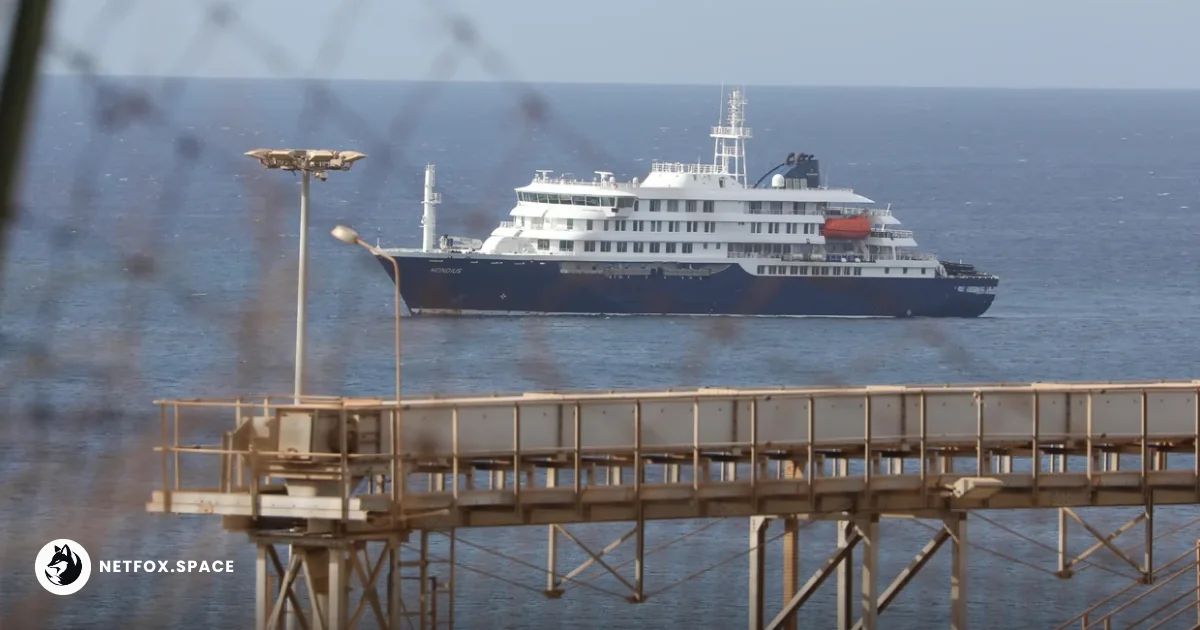
Health authorities in the United States and several other countries have begun monitoring travelers who recently disembarked from the MV Hondius following a confirmed hantavirus exposure on the vessel. While officials emphasize that the immediate risk to the general public is low, the move marks a significant cross-border effort to contain a virus typically associated with rural land environments rather than maritime travel.
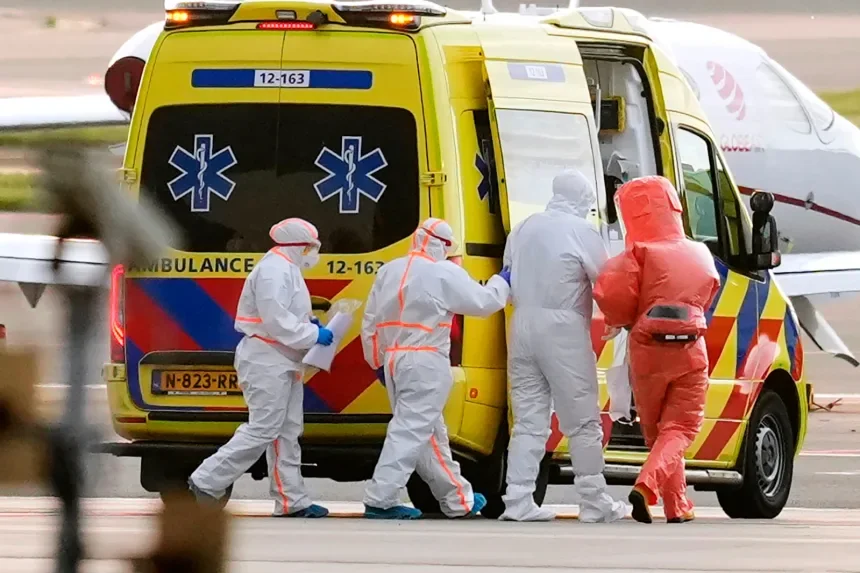 Medics escort a patient, second right, evacuated from the MV Hondius cruise ship with suspected hantavirus infection, to an ambulance after being flown Wednesday to Schiphol airport, Amsterdam, Netherlands. Peter Dejong/AP
Health agencies track passengers across multiple jurisdictions
The monitoring efforts began after reports of a confirmed infection involving a person who had been aboard the ship. Because the MV Hondius carries passengers from diverse geographic backgrounds, the U.S. Centers for Disease Control and Prevention (CDC) and international partners are coordinating to locate individuals who may have been in contact with contaminated areas.
The monitoring focuses on a specific window of time corresponding to the virus's incubation period, which can last up to eight weeks. Health departments are advising former passengers to monitor for symptoms including fever, severe muscle aches, and fatigue. In more advanced stages, hantavirus can lead to Hantavirus Pulmonary Syndrome (HPS), a severe respiratory condition characterized by shortness of breath and fluid accumulation in the lungs.
 Ships at dock at Granadilla port, where the MV Hondius, carrying nearly 150 people, is expected to arrive within three days, Spain's Health Minister Monica Garcia said. Borja Suarez/Reuters
Rodent exposure on the MV Hondius drives the investigation
Hantavirus is not a waterborne or airborne illness in the traditional sense; it is transmitted to humans through contact with the urine, droppings, or saliva of infected rodents. The investigation into the MV Hondius suggests that passengers may have been exposed through "aerosolization," a process where virus particles from dried rodent waste become airborne and are inhaled.
This mechanism of transmission is what makes a shipboard environment particularly concerning for health inspectors. Enclosed ventilation systems and tight quarters can facilitate the inhalation of dust in areas where rodents may have nested. While the cruise operator has reportedly taken steps to sanitize the vessel, the primary challenge for health officials is that symptoms often do not appear until weeks after the initial exposure, making retrospective tracking essential.
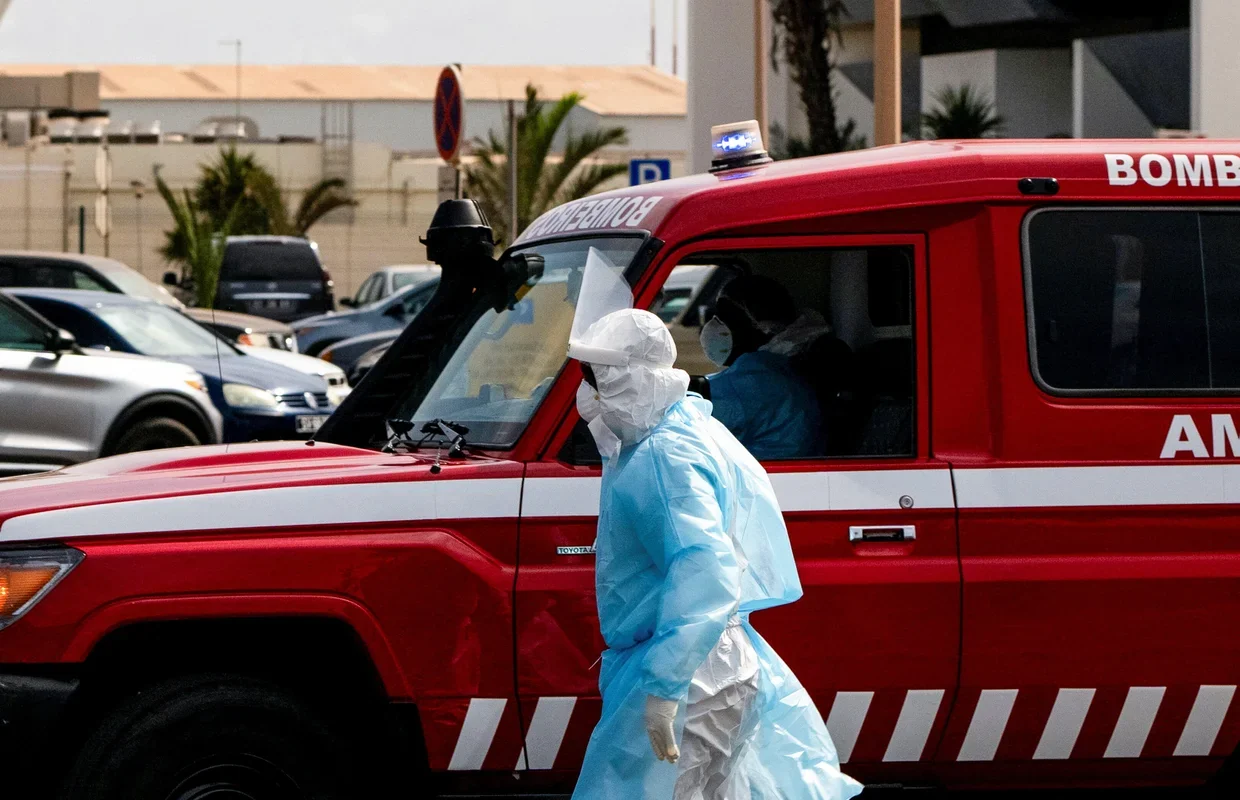 A person in protective clothing walks next to an ambulance during an evacuation of suspected hantavirus patients, following an outbreak on the cruise ship MV Hondius, in Praia, Cape Verde, May 6, 2026. Danilson Sequeira / REUTERS
Low probability of secondary transmission limits broader risk
From a clinical perspective, hantavirus is rarely transmitted between humans. Most known strains, including those found in the Americas, require direct interaction with rodent excreta. This means that while the passengers themselves are at risk, they are unlikely to spread the virus to their families or communities upon returning home.
The monitoring is largely a precautionary measure to ensure that any individual who does develop HPS receives immediate medical intervention. Early symptoms are often mistaken for the flu, but HPS can progress rapidly to respiratory failure. By identifying exposed passengers early, clinicians can prioritize diagnostic testing and supportive care, which are critical given that there is no specific cure or vaccine for hantavirus infection.
Authorities have not yet confirmed how the rodents entered the ship, though such infestations are often linked to cargo loading or port stays in regions where rodent populations are high. The ship is currently undergoing rigorous cleaning protocols to eliminate any remaining environmental hazards before future voyages.
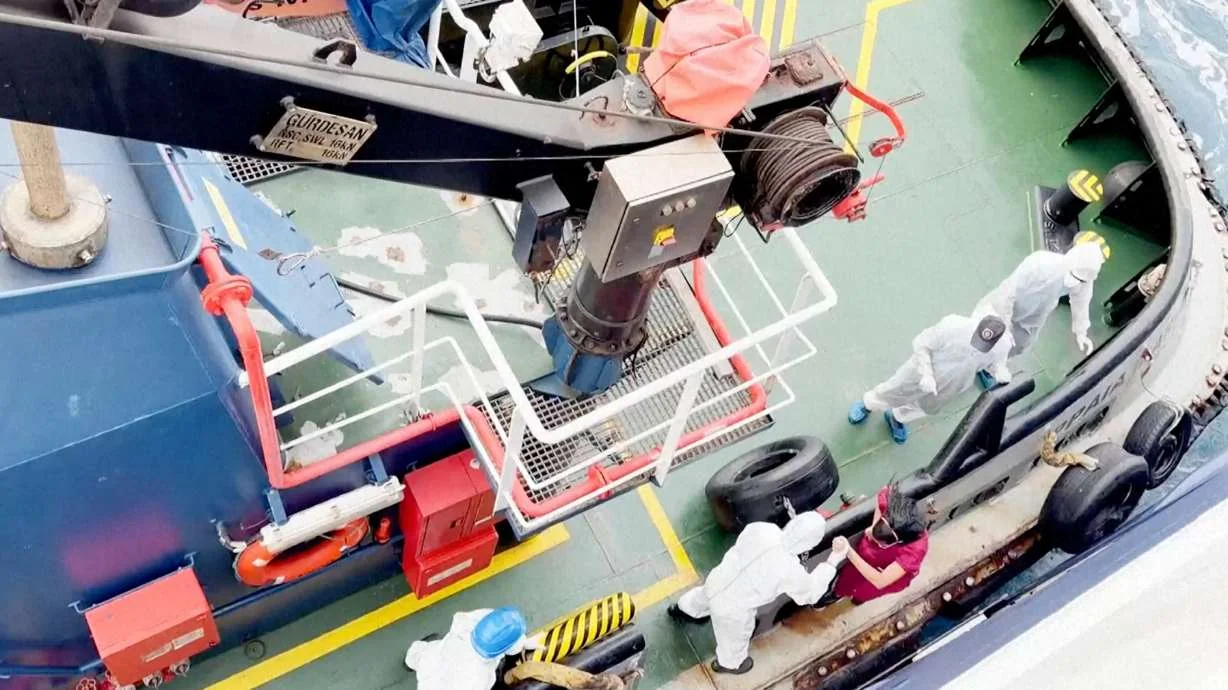 Health workers get off the Dutch-flagged MV Hondius, a cruise ship carrying nearly 150 people, as it remains off Cape Verde on Monday, after three passengers died and several others fell seriously ill in a suspected hantavirus outbreak. (Qasem Elhato via AP)
Comments (0)
Please login to comment
Sign in to share your thoughts and connect with the community
Loading...