
Netfox
HomeQ&AAnti-ScamNotifications
© 2026 Netfox. All rights reserved.
Terms of ServicePrivacy PolicyAbout UsEditorial Policy
Comment
Health

Cardiologists Urge Home Cooking to Cut UPF Intake

Hana Than
Hana Than
May 7, 20263 min
0
0
0
51
Leading cardiology groups advise a shift toward home cooking to reduce reliance on ultra-processed foods (UPFs), citing cardiovascular risks and health impacts.

Leading cardiovascular organizations are formally advising the public to increase home-prepared meals as a primary defense against the rising consumption of ultra-processed foods (UPFs). The shift in guidance reflects growing clinical concern over the correlation between industrially manufactured food products and long-term metabolic and heart health.

Reclaiming ingredient control through home preparation

The central recommendation from health advocates emphasizes that cooking at home provides a critical barrier against the hidden additives often found in ready-to-eat products. Ultra-processed foods are typically characterized by ingredients not used in home kitchens, such as emulsifiers, flavor enhancers, and chemically modified starches. By preparing meals from whole or minimally processed ingredients, individuals can effectively bypass the "hyper-palatable" profiles designed by food scientists to encourage overconsumption.

Cardiologists note that this is not merely about avoiding salt or sugar, but about the structural integrity of the food. Industrial processing often breaks down the natural matrix of ingredients, leading to faster digestion and sharper glucose spikes. Home cooking, even when it involves simple techniques, tends to preserve the fibrous structures and nutritional density that are frequently lost in high-speed industrial manufacturing.
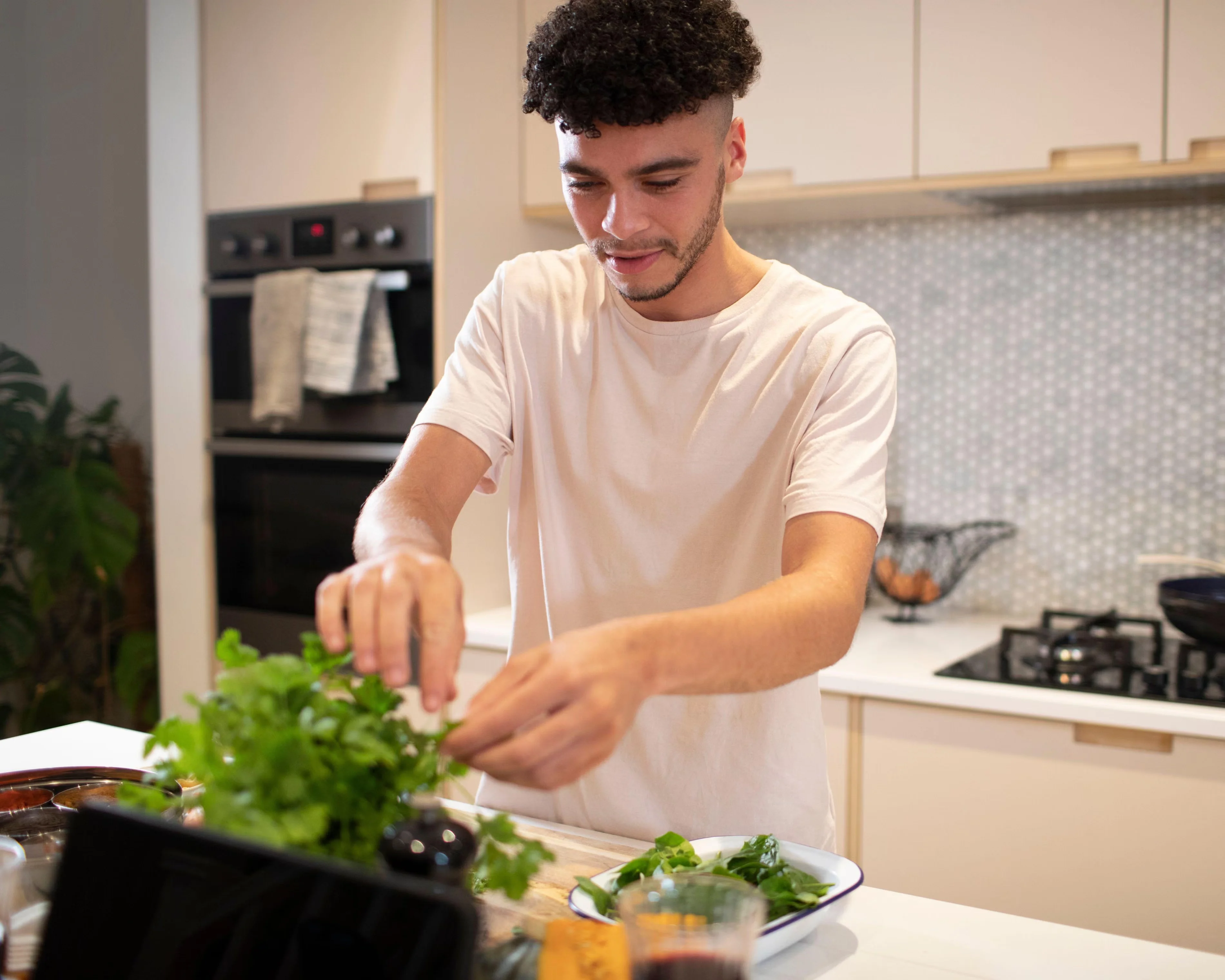
‘Evidence shows that people who cook more meals at home tend to have better overall diet quality and eat less ultra-processed food,’ says Prof Luigina Guasti. Photograph: Caia Image/Alamy‘Evidence shows that people who cook more meals at home tend to have better overall diet quality and eat less ultra-processed food,’ says Prof Luigina Guasti. Photograph: Caia Image/Alamy

The distinction between processing and ultra-processing

A significant challenge for consumers remains the lack of clarity in the current food debate. Researchers point out that "processing" itself is not inherently harmful canned beans, frozen vegetables, and fermented yogurt are all technically processed but remain nutritionally valuable. The risk is concentrated in the "ultra-processed" category, which includes mass-produced breads, sweetened cereals, and reconstituted meat products.

Expert analysis suggests that the focus should remain on the degree of industrial transformation rather than a blanket rejection of all convenient food formats. For example, a home-cooked meal using frozen peas and tinned tomatoes is functionally distinct from a microwaveable "TV dinner" that contains preservatives and stabilizers meant to extend shelf life for months. Identifying these differences is essential for practitioners advising patients on achievable dietary shifts.
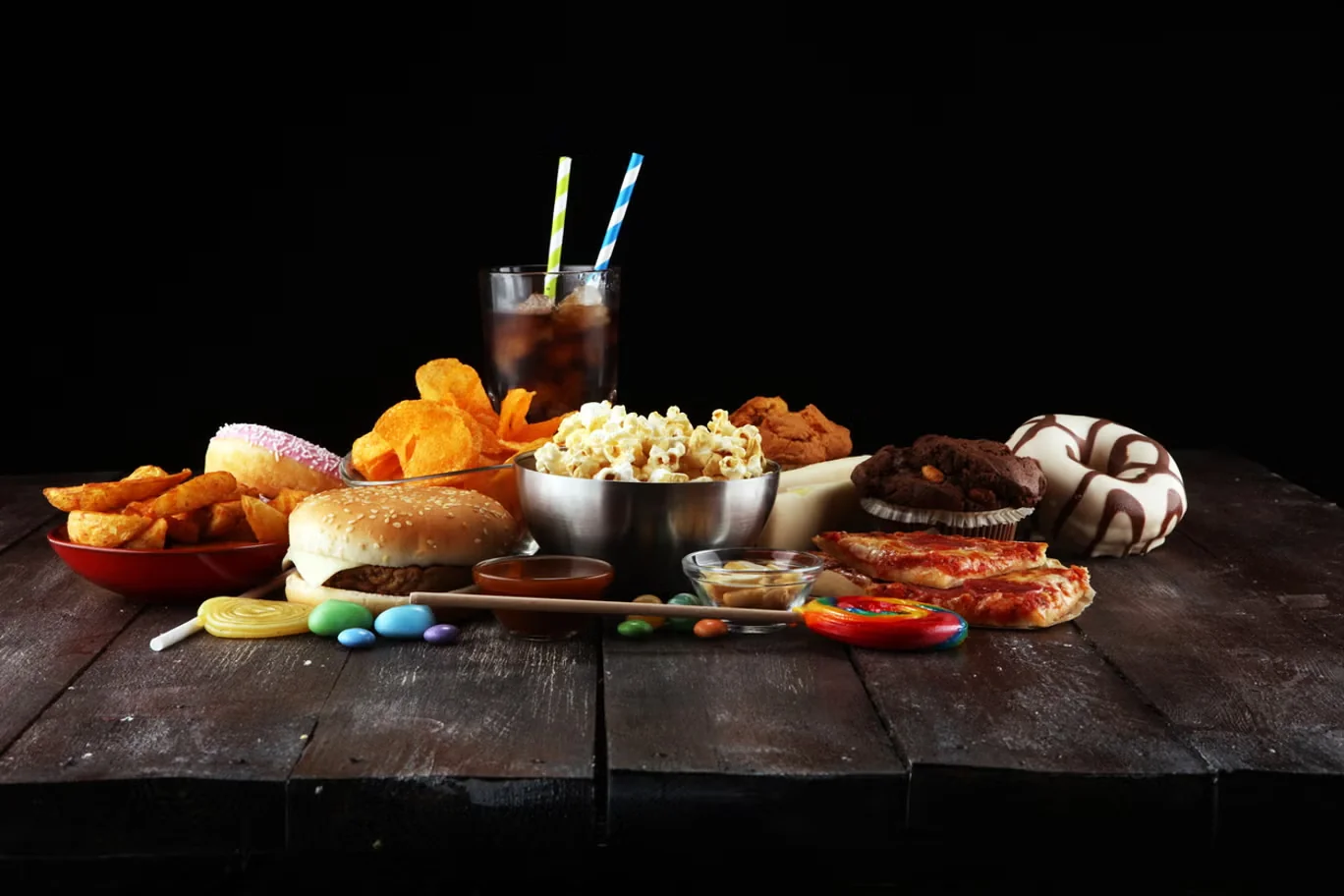
Heart patients are being told to reduce their consumption of ultra-processed foods (UPFs). (Getty/iStock)Heart patients are being told to reduce their consumption of ultra-processed foods (UPFs). (Getty/iStock)

Policy implications and the "MAHA" influence

The medical push for home cooking coincides with an increasingly visible political discourse regarding food quality in the United States. Movements like "Make America Healthy Again" (MAHA) have highlighted the prevalence of seed oils and synthetic dyes in the American food supply, pushing these issues into the mainstream regulatory conversation.

While the medical community remains cautious about the rhetoric used in political campaigns, there is a clear convergence on the need for stricter oversight of food additives. The challenge for many households, however, remains the "time poverty" and economic constraints that make daily home cooking difficult. Cardiologists acknowledge that for home cooking to be a viable public health solution, it must be accompanied by structural changes that make fresh, whole foods more accessible and affordable than their ultra-processed counterparts.

Comments (0)

Sort by

Please login to comment

Sign in to share your thoughts and connect with the community

Loading...

Related news

Health officials are monitoring passengers from the MV Hondius for hantavirus. Learn about the transmission risks, symptoms, and current status of the investigation.

Hantavirus Cruise Monitoring: Risk and Transmission Facts

61 views•4 min
Discover why clinical dietitians emphasize protein at breakfast for blood sugar stability, satiety hormone regulation, and muscle protein synthesis maintenance.

Why Dietitians Recommend High-Protein Breakfasts

91 views•3 min
New research suggests frequent daytime napping may be linked to higher risks of hypertension and stroke. Learn the difference between restorative and reactive sleep.

Frequent Napping Linked to Health Risks in New Study

68 views•3 min
Recent research suggests a link between pesticide residues on fruits and vegetables and increased lung cancer risk in non-smokers under 50. Learn the study's findings.

Pesticide Risks in Produce and Lung Cancer in Non-Smokers

66 views•3 min
A breakdown of the Mediterranean diet’s evidence base, its impact on chronic disease risk, and how to implement its core components according to Harvard health data.

Mediterranean Diet Evidence and Implementation Guide

45 views•3 min
Nutrition experts prioritize small, fatty fish like sardines for high omega-3 content and low mercury levels. Learn how to optimize your seafood intake safely.

The Healthiest Fish to Eat for Longevity and Brain Health

51 views•3 min
A new study of 50,000 adults suggests a correlation between high fruit and vegetable intake and certain lung cancer risks. Experts urge caution in interpreting the data.

Fruit and Vegetable Intake Linked to Specific Lung Cancer Risk

75 views•3 min
mRNA vaccines show durable immune responses in pancreatic and melanoma trials, marking a shift toward personalized immunotherapy despite logistical hurdles.

mRNA Cancer Vaccines Show Promise in Early Clinical Trials

74 views•4 min
A systematic review of donanemab and lecanemab finds that despite reducing amyloid plaques, the drugs do not offer clinically significant cognitive improvements.

New Alzheimer's Drugs Lack Clinical Benefit, Review Finds

66 views•3 min
San Francisco health officials have confirmed the city's first case of Clade I mpox. Learn about the strain's severity, local risks, and how to access vaccines.

SF Reports First Clade I Mpox Case: What to Know

72 views•3 min
New research suggests sodium levels in drinking water, driven by rising sea levels, may contribute significantly to hypertension in coastal communities.

Drinking Water Sodium May Impact Blood Pressure

66 views•3 min
Learn how to reduce tick populations in your yard using moisture management, wood chip barriers, and strategic landscape design based on CDC and health data.

How to tick-proof your yard: Science-backed prevention steps

69 views•3 min
Over 350,000 supplement bottles have been recalled due to a failure in child-resistant packaging requirements, posing risks of poisoning and serious injury.

350,000 Supplement Bottles Recalled for Safety Risks

84 views•3 min
Scientists have identified the specific transport mechanism that allows Vitamin B1 to enter mitochondria, confirming a biological theory first proposed in 1959.

Vitamin B1 Hypothesis Proven After 67 Years

72 views•3 min
Research indicates that exceeding recommended Vitamin D levels can lead to hypercalcemia and bone health risks, challenging the "more is better" supplement trend.

Risks of Excessive Vitamin D Supplementation Explained

86 views•3 min
Experts warn that high doses of vitamins can lead to toxicity. Learn the six clinical signs of supplement overdose, from skin changes to nerve damage.

Signs of Vitamin Overdose: 6 Symptoms of Toxicity

83 views•3 min
While lemons and limes share a citrus lineage, their nutritional profiles and vitamin C levels differ. Learn which fruit offers higher acidity and specific health benefits.

Lemons vs. Limes: Nutritional Differences and Health Benefits

74 views•3 min
Not all "health" foods are equal. Nutritionists flag granola bars, flavored yogurt, and fruit juices as ultra-processed items that may hinder health goals.

6 'Healthy' Foods Classified as Ultra-Processed

91 views•3 min
A recent study found that NMN supplements may reduce systolic blood pressure and arterial stiffness. Learn about the study limitations and clinical relevance.

Can NMN Lower Blood Pressure? New Study Results

74 views•3 min
Scientists identify a specific brain activity pattern common to DMT, LSD, and psilocybin that may predict how patients respond to psychedelic therapy.

Neural Fingerprint of Psychedelics Identified in Brain

88 views•4 min