
Netfox
HomeQ&AAnti-ScamNotifications
© 2026 Netfox. All rights reserved.
Terms of ServicePrivacy PolicyAbout UsEditorial Policy
Comment
Health

mRNA Cancer Vaccines Show Promise in Early Clinical Trials

Hana Than
Hana Than
Apr 20, 20264 min
0
0
0
74
mRNA vaccines show durable immune responses in pancreatic and melanoma trials, marking a shift toward personalized immunotherapy despite logistical hurdles.

New clinical data from pancreatic and melanoma trials suggests that mRNA technology, once the cornerstone of the pandemic response, is finding a durable application in personalized oncology. While researchers caution that these therapies are years from standard-of-care status, the ability to trigger specific T-cell responses in patients with high-mortality cancers has shifted the focus toward individualized treatment.

Personalized neoantigen targeting drives immune durability

The shift in recent cancer vaccine research marks a departure from "off-the-shelf" vaccines toward personalized neoantigen therapy. Unlike traditional vaccines that target a universal pathogen, these mRNA candidates are designed by sequencing a patient’s specific tumor to identify unique mutations.

Early results from trials focusing on pancreatic cancer indicate that mRNA can instruct the body to produce proteins that mimic these mutations, effectively "training" the immune system to recognize and attack residual microscopic disease. From a clinical perspective, the most significant finding is the durability of the T-cell response; in some phase 1 participants, the immune system remained primed to target tumor cells years after the initial series of injections. This longevity is critical for preventing recurrence in cancers that are traditionally difficult to treat with surgery or chemotherapy alone.

Much of Dr. Vinod Balachandran's work has focused on pancreatic tumors. Michael Prince/Memorial SloanMuch of Dr. Vinod Balachandran's work has focused on pancreatic tumors. Michael Prince/Memorial Sloan

Pancreatic cancer trials show high-response benchmarks

Pancreatic ductal adenocarcinoma (PDAC) has historically been resistant to most forms of immunotherapy due to its "cold" tumor microenvironment, which effectively hides cancer cells from the immune system. However, ongoing trial data suggests that mRNA vaccines can successfully turn these tumors "hot."

In specific cohorts, roughly half of the patients treated with a combination of surgery, chemotherapy, and personalized mRNA vaccines showed a robust immune response. Those who responded remained cancer-free for significantly longer periods than those who did not. While this 50% response rate is high for pancreatic cancer, it also reveals a critical unknown: researchers have yet to determine why some patients' immune systems fail to activate despite receiving the same mRNA-encoded instructions. This gap suggests that the success of the platform may depend as much on the patient’s underlying immune health as the vaccine’s design.
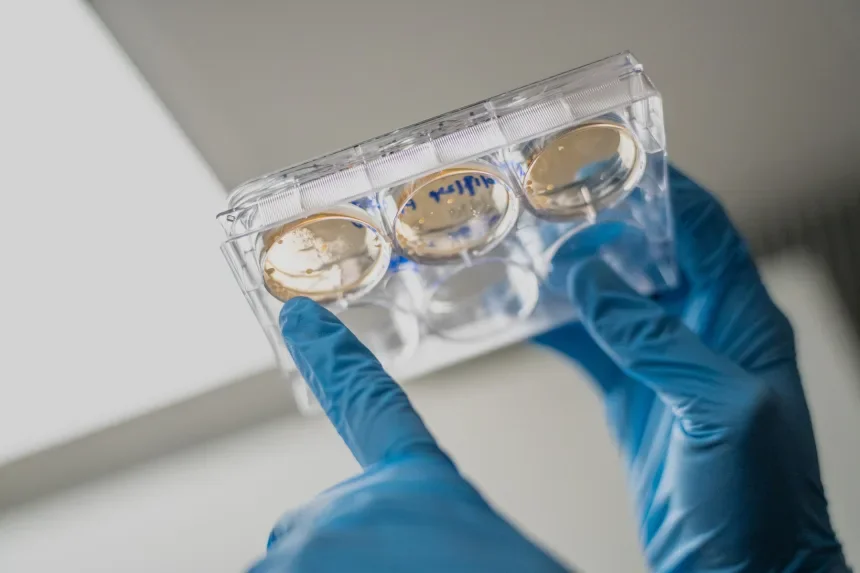
A researcher in Dr. Elias Sayour's lab examples a sample during testing. Jackie Hart/UF HealthA researcher in Dr. Elias Sayour's lab examples a sample during testing. Jackie Hart/UF Health

Logistical and manufacturing constraints limit immediate adoption

Despite the clinical optimism, the transition from successful small-scale trials to widespread clinical use faces a significant bottleneck in "vein-to-vein" time. Because each vaccine must be custom-manufactured for an individual patient, the process currently requires weeks of sequencing, design, and production.

For patients with aggressive, late-stage cancers, this delay can be prohibitive. Furthermore, the cost of individualized manufacturing remains high, raising questions about how these therapies will be integrated into public health systems. Unlike the mass-produced COVID-19 vaccines, the oncology application of mRNA requires a decentralized or highly rapid manufacturing infrastructure that does not yet exist at scale.
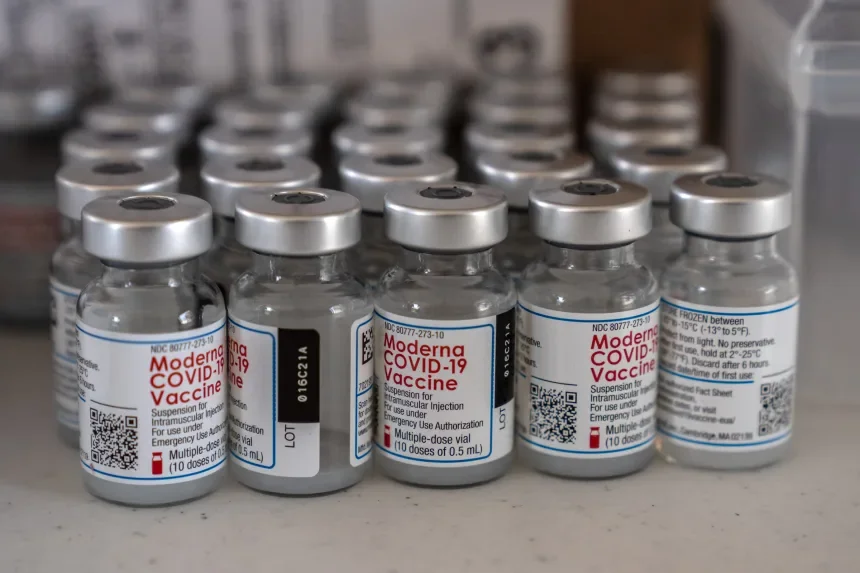
Moderna's is one of two mRNA-based Covid-19 vaccines approved in the US. Carl Court/Getty ImagesModerna's is one of two mRNA-based Covid-19 vaccines approved in the US. Carl Court/Getty Images

Trial design shifts toward combination therapies

The current consensus among oncology researchers is that mRNA vaccines will likely not act as monotherapies. Instead, they are being positioned as a "cleanup" tool to be used alongside checkpoint inhibitors.

Checkpoint inhibitors remove the "brakes" from the immune system, while the mRNA vaccine provides the "map" of where to attack. This dual approach is being tested in larger phase 2 and 3 trials for melanoma and lung cancer. While the promising signs reported this year provide a necessary boost to the field, the industry now awaits data to prove whether these personalized responses translate into a statistically significant survival benefit across larger, more diverse patient populations.

Comments (0)

Sort by

Please login to comment

Sign in to share your thoughts and connect with the community

Loading...

Related news

Leading cardiology groups advise a shift toward home cooking to reduce reliance on ultra-processed foods (UPFs), citing cardiovascular risks and health impacts.

Cardiologists Urge Home Cooking to Cut UPF Intake

52 views•3 min
Health officials are monitoring passengers from the MV Hondius for hantavirus. Learn about the transmission risks, symptoms, and current status of the investigation.

Hantavirus Cruise Monitoring: Risk and Transmission Facts

62 views•4 min
Discover why clinical dietitians emphasize protein at breakfast for blood sugar stability, satiety hormone regulation, and muscle protein synthesis maintenance.

Why Dietitians Recommend High-Protein Breakfasts

91 views•3 min
New research suggests frequent daytime napping may be linked to higher risks of hypertension and stroke. Learn the difference between restorative and reactive sleep.

Frequent Napping Linked to Health Risks in New Study

68 views•3 min
Recent research suggests a link between pesticide residues on fruits and vegetables and increased lung cancer risk in non-smokers under 50. Learn the study's findings.

Pesticide Risks in Produce and Lung Cancer in Non-Smokers

66 views•3 min
A breakdown of the Mediterranean diet’s evidence base, its impact on chronic disease risk, and how to implement its core components according to Harvard health data.

Mediterranean Diet Evidence and Implementation Guide

46 views•3 min
Nutrition experts prioritize small, fatty fish like sardines for high omega-3 content and low mercury levels. Learn how to optimize your seafood intake safely.

The Healthiest Fish to Eat for Longevity and Brain Health

51 views•3 min
A new study of 50,000 adults suggests a correlation between high fruit and vegetable intake and certain lung cancer risks. Experts urge caution in interpreting the data.

Fruit and Vegetable Intake Linked to Specific Lung Cancer Risk

75 views•3 min
A systematic review of donanemab and lecanemab finds that despite reducing amyloid plaques, the drugs do not offer clinically significant cognitive improvements.

New Alzheimer's Drugs Lack Clinical Benefit, Review Finds

66 views•3 min
San Francisco health officials have confirmed the city's first case of Clade I mpox. Learn about the strain's severity, local risks, and how to access vaccines.

SF Reports First Clade I Mpox Case: What to Know

72 views•3 min
New research suggests sodium levels in drinking water, driven by rising sea levels, may contribute significantly to hypertension in coastal communities.

Drinking Water Sodium May Impact Blood Pressure

66 views•3 min
Learn how to reduce tick populations in your yard using moisture management, wood chip barriers, and strategic landscape design based on CDC and health data.

How to tick-proof your yard: Science-backed prevention steps

69 views•3 min
Over 350,000 supplement bottles have been recalled due to a failure in child-resistant packaging requirements, posing risks of poisoning and serious injury.

350,000 Supplement Bottles Recalled for Safety Risks

84 views•3 min
Scientists have identified the specific transport mechanism that allows Vitamin B1 to enter mitochondria, confirming a biological theory first proposed in 1959.

Vitamin B1 Hypothesis Proven After 67 Years

72 views•3 min
Research indicates that exceeding recommended Vitamin D levels can lead to hypercalcemia and bone health risks, challenging the "more is better" supplement trend.

Risks of Excessive Vitamin D Supplementation Explained

86 views•3 min
Experts warn that high doses of vitamins can lead to toxicity. Learn the six clinical signs of supplement overdose, from skin changes to nerve damage.

Signs of Vitamin Overdose: 6 Symptoms of Toxicity

83 views•3 min
While lemons and limes share a citrus lineage, their nutritional profiles and vitamin C levels differ. Learn which fruit offers higher acidity and specific health benefits.

Lemons vs. Limes: Nutritional Differences and Health Benefits

74 views•3 min
Not all "health" foods are equal. Nutritionists flag granola bars, flavored yogurt, and fruit juices as ultra-processed items that may hinder health goals.

6 'Healthy' Foods Classified as Ultra-Processed

91 views•3 min
A recent study found that NMN supplements may reduce systolic blood pressure and arterial stiffness. Learn about the study limitations and clinical relevance.

Can NMN Lower Blood Pressure? New Study Results

74 views•3 min
Scientists identify a specific brain activity pattern common to DMT, LSD, and psilocybin that may predict how patients respond to psychedelic therapy.

Neural Fingerprint of Psychedelics Identified in Brain

88 views•4 min