
2026 Spring Equinox: Reclaiming Biological and Energy Balance
The Astronomical Zero Point: March 20, 2026
The International Astronomical Union (IAU) confirms the 2026 vernal equinox will occur on March 20 at exactly 14:33 UTC. At this precise moment, the Sun crosses the celestial equator, resulting in nearly equal periods of day and night globally. This event marks the astronomical beginning of spring in the Northern Hemisphere and autumn in the Southern Hemisphere.
For the National Oceanic and Atmospheric Administration (NOAA), this date is a critical calibration point for satellite sensors monitoring Earth's energy budget. Because the Earth's axis is tilted at approximately 23.5 degrees, the equinox represents the moment when the "terminator"—the line dividing day and night—becomes a straight vertical line from the North to the South Pole.
The Neurobiological Pivot: Recalibrating the Suprachiasmatic Nucleus
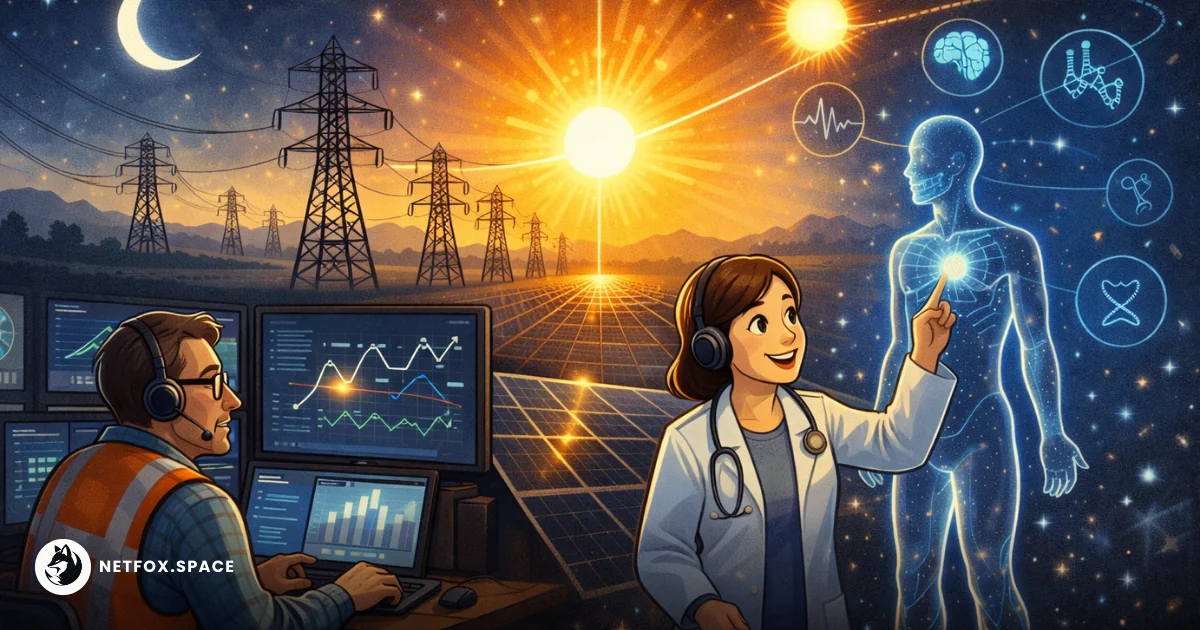
From a physiological perspective, "harnessing the energy" of the equinox is a matter of neurobiology. The sudden increase in photoperiod (daylight duration) triggers a significant shift in the Suprachiasmatic Nucleus (SCN), the brain's master clock. This transition regulates the production of Cortisol for alertness and Melatonin for sleep.
Medical researchers in the biotech sector refer to this period as "Seasonal Entrainment." The rapid shift in light exposure can lead to temporary "circadian misalignment," similar to jet lag. To harness this energy, clinicians recommend a "light-loading" protocol: exposure to direct sunlight within 30 minutes of waking to anchor the SCN and optimize hormonal output for the coming high-activity season.
The "Solar Spike" Risk: Managing 2026 Grid Volatility
The most significant—and often ignored—implication of the 2026 equinox is its impact on the renewable energy sector. As the Sun's angle optimizes for Northern Hemisphere solar arrays, power grids experience a "Solar Spike." According to the U.S. Department of Energy (DOE), the equinox marks the period of highest potential for "overgeneration" in states like California and Texas.
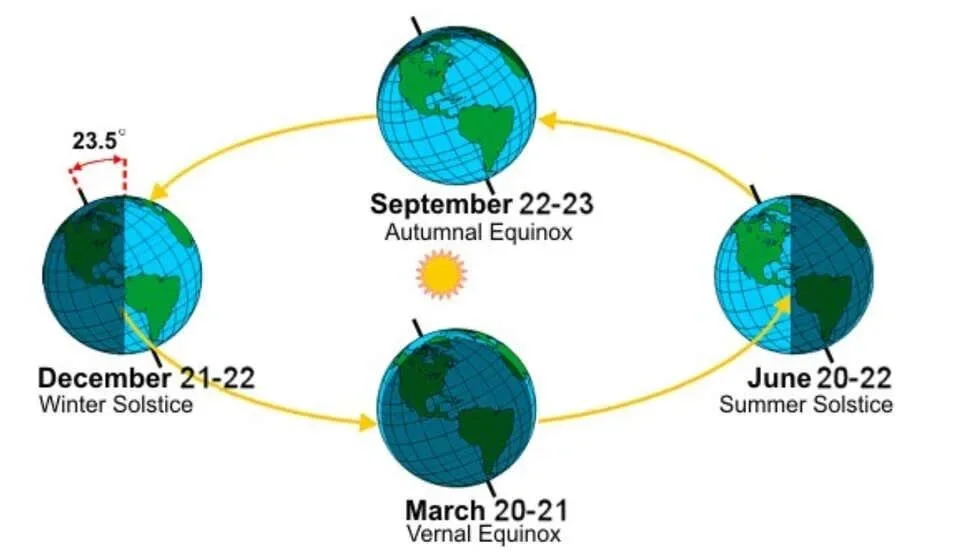 The Earth spins on an axis (think of it like a line running from pole to pole) with a 23.5-degree tilt
This creates the "Equinox Duck Curve," where solar supply drastically outpaces demand during midday, forcing the Federal Energy Regulatory Commission (FERC) to manage potential grid instability. For the consumer, "harnessing" this energy involves shifting high-load activities—such as EV charging or industrial manufacturing—to the 10:00 AM to 2:00 PM window to utilize the cleanest, cheapest electricity of the year.
| Activity Type | Optimal Equinox Timing (Local) | Biological / Economic Impact |
|---|---|---|
| Light Exposure | 07:00 – 08:00 | Suppresses Melatonin; boosts morning Cortisol. |
| High-Load Energy Use | 11:00 – 14:00 | Utilizes peak solar grid-feed; lowers carbon footprint. |
| Cognitive Deep Work | 09:00 – 12:00 | Maximizes the post-dawn "alertness window." |
| Melatonin Anchoring | 20:00 – 21:00 | Prevents "Spring Insomnia" caused by late sunsets. |
Agricultural Shifts: The "Phenological Mismatch" Crisis
The 2026 equinox arrives amidst a broader trend of "false springs" identified by the U.S. Department of Agriculture (USDA). While the astronomical equinox is fixed, the biological spring—determined by budburst and insect activity—is occurring earlier each decade. This "phenological mismatch" poses a risk to food security, as pollinators may not yet be active when fruit trees bloom.
For home gardeners and small-scale farmers, harnessing the equinox now requires a data-centric approach rather than traditional planting calendars. The use of soil temperature sensors is replacing the "equinox rule" for seed sowing. This year, the focus is on "resilient planting"—selecting varieties that can withstand the volatile temperature swings that characterize the modern transition from the equinox to the summer solstice.
Strategic Harnessing: The 72-Hour Reset Protocol
To effectively transition into the new season, experts recommend a 72-hour reset centered around the March 20 pivot point. This involves a total "digital sundown" after 8:00 PM to compensate for the increasing evening light that can delay sleep onset. By strictly controlling light hygiene during the three days surrounding the equinox, individuals can "lock in" their internal clocks for the higher metabolic demands of the spring and summer months.
The 2026 transition is further complicated by the approaching Solar Maximum, which increases the frequency of geomagnetic storms. These events can subtly interfere with migratory patterns and even some human-made navigation systems. Harnessing the equinox this year is as much about protecting sensitive electronics and biological rhythms as it is about celebrating the return of the sun.
The convergence of record-high solar capacity and increasingly volatile "false spring" patterns creates an unprecedented stress test for the North American Electric Reliability Corporation (NERC). As the day-night balance tips, the primary uncertainty remains whether the decentralized power grid can survive a season where the sun provides more energy than our current battery infrastructure can store.
Comments (0)
Please login to comment
Sign in to share your thoughts and connect with the community
Loading...