
Stop Rabbits Nesting in Gardens: Effective Prevention Tips
The Biology of Attraction: Why Rabbits Target Specific Gardens
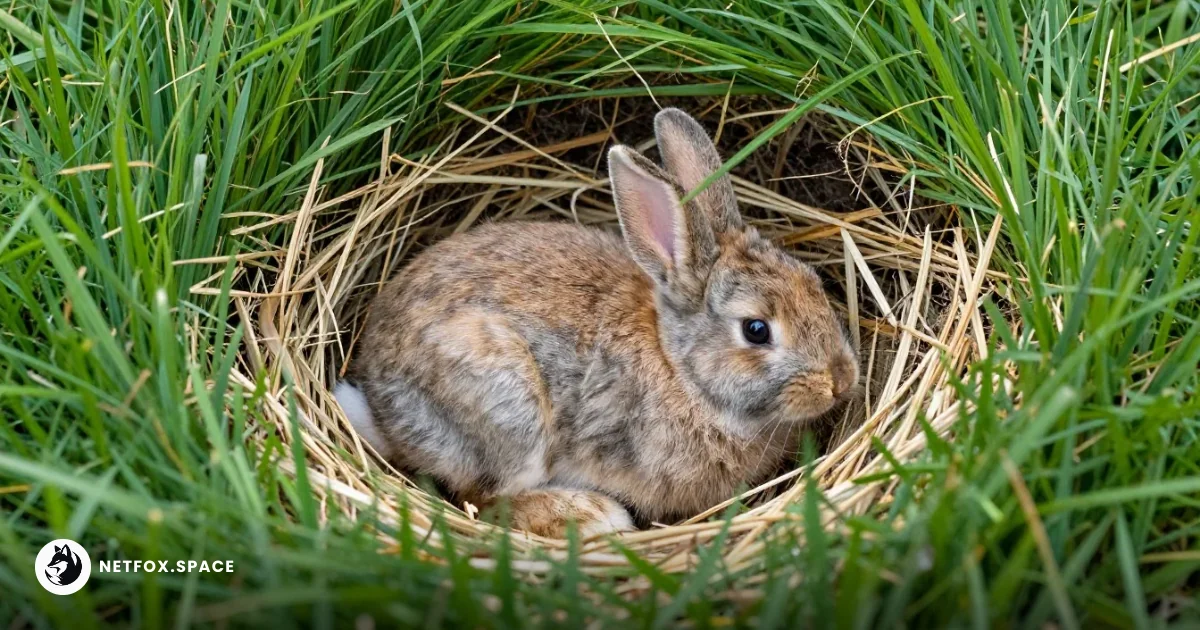
Wild rabbits, specifically the Eastern Cottontail (Sylvilagus floridanus) in North America, do not dig deep burrows for nesting like European species. Instead, they seek out "scrapes"—shallow depressions lined with grass and fur, hidden in plain sight.
These nesting sites are selected based on three criteria: proximity to high-protein food sources, thermal cover, and predator obstruction. Gardens with low-hanging shrubs, dense groundcover like English Ivy, or proximity to woodpiles provide the ideal microclimate for kits. Understanding that a rabbit's "home range" is often less than 10 acres explains why they return to the same successful nesting site year after year.
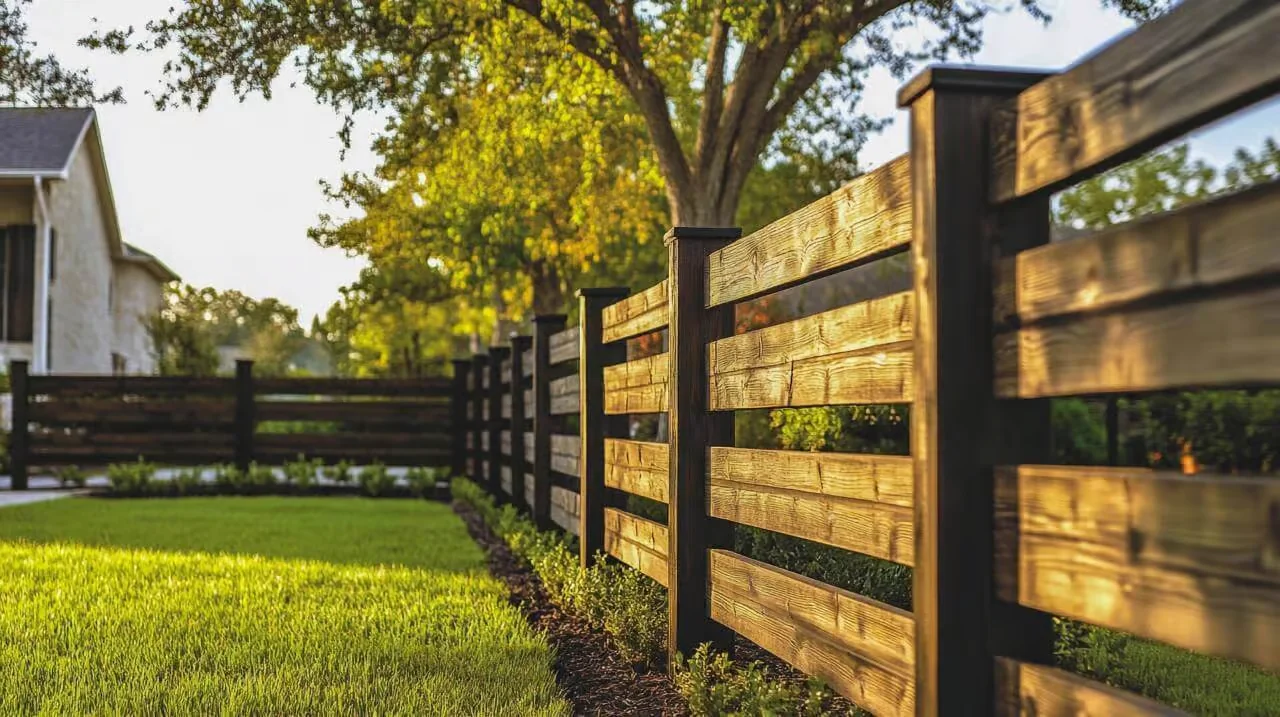 The fencing must be buried at least 6 inches deep with an "L-shaped" footer facing outward to discourage burrowing
Structural Exclusion and the 12-Inch Rule
The most effective way to stop nesting is physical exclusion, but standard garden fences often fail because they lack subterranean protection. To truly secure a perimeter, homeowners must use galvanized hardware cloth with a mesh size no larger than 1 inch.
For maximum efficacy, the fencing must be buried at least 6 inches deep with an "L-shaped" footer facing outward to discourage burrowing. This creates a physical barrier that interrupts the rabbit's scouting phase in early spring. Above ground, the fence should stand at least 2 feet tall to prevent adult rabbits from clearing the barrier from a standing jump.
The "Scarcity of Cover" Strategy
What many homeowners fail to realize is that "tidying up" is a powerful biological deterrent. Rabbits are agoraphobic; they fear open spaces where they are vulnerable to aerial predators like Red-tailed Hawks.
By maintaining a "clean" zone of at least 15 feet between the home and any dense brush, you create a psychological barrier. This involves thinning out the bottom 12 inches of ornamental shrubs and removing deadfall. When a garden lacks "interstitial cover"—the small pockets of safety between larger structures—female rabbits will seek more hospitable environments to deposit their litters.
| Deterrent Method | Mechanism of Action | Longevity |
|---|---|---|
| Hardware Cloth | Physical exclusion / Barrier | 10+ Years |
| Scent Repellents | Fear response (Putrescent egg solids) | 2–4 Weeks |
| Habitat Modification | Predator exposure / Anxiety | Permanent |
| Motion Sprinklers | Startle reflex | Season-long |
Behavioral Disruption: The Role of Scent and Sound
While physical barriers are primary, secondary sensory deterrents can discourage a rabbit from finalizing a nest location. Rabbits have a highly developed olfactory system used to detect the pheromones of predators and the "safety" of a location.
Commercial repellents containing ammonium soaps or putrescent whole egg solids mimic the scent of decaying protein, signaling the presence of a predator. However, these require reapplication after rain. Ultrasonic devices are frequently marketed but have shown limited efficacy in peer-reviewed wildlife studies, as rabbits quickly habituate to consistent, non-threatening noises.
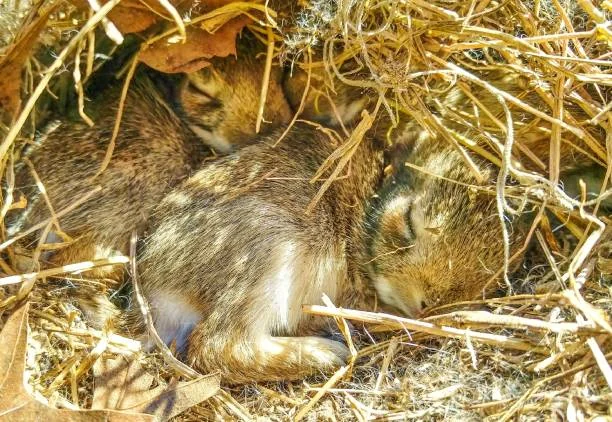 The rabbits are sleeping soundly
Legal and Ethical Constraints of Nest Removal
If a nest is already established, the legal landscape changes significantly. In many jurisdictions, the Migratory Bird Treaty Act does not apply to rabbits, but local wildlife ordinances often protect active nests.
Disturbing a nest with kits (baby rabbits) under three weeks old usually results in abandonment by the mother. If the kits are roughly the size of a tennis ball and their ears are standing up, they are likely ready to leave the nest within days. Homeowners should wait for this transition before implementing permanent structural changes to avoid trapped or orphaned wildlife, which can lead to secondary pest issues or ethical violations.
The window for prevention is narrowing as suburban sprawl reduces natural habitats, forcing wildlife into higher-density conflicts with residential landscapes.
Comments (0)
Please login to comment
Sign in to share your thoughts and connect with the community
Loading...