
Why You Should Never Put Wooden Spoons in the Dishwasher

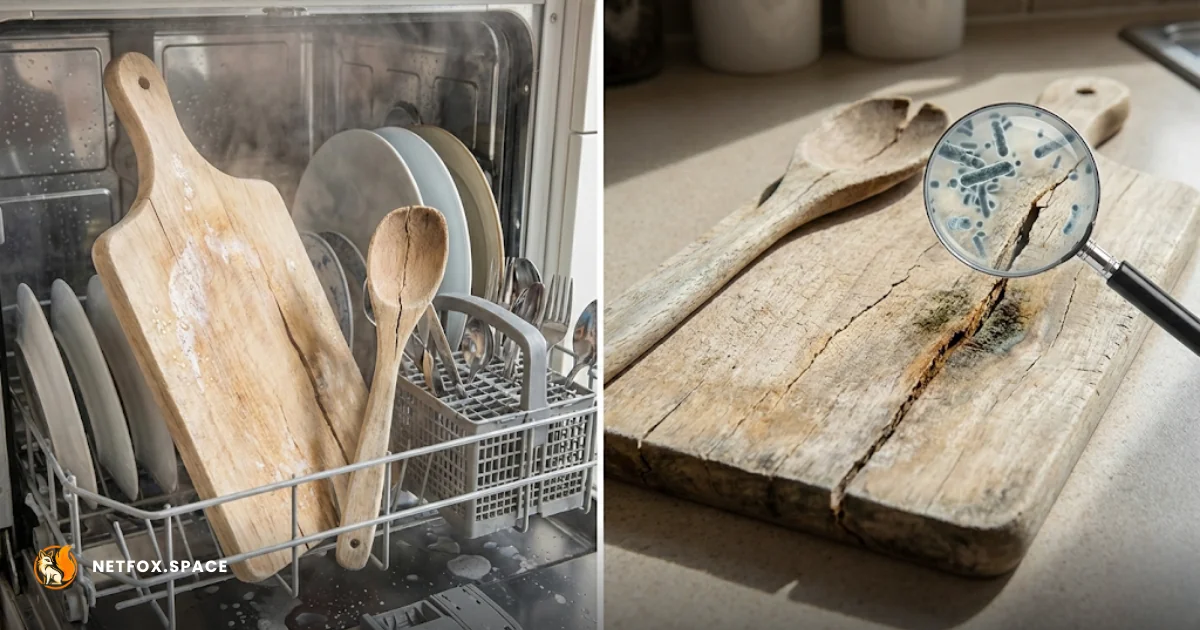
High-Heat Cycles Trigger Cellular Breakdown
The modern dishwasher operates at temperatures often exceeding 150°F to sanitize dishes and dissolve fats. For organic materials like wood, this intense heat causes the fibers to expand rapidly, followed by a contraction period during the drying cycle.
This repeated thermal expansion and contraction weakens the cellular structure of the wood, leading to "checking"—small surface cracks—or deep structural splits. Once the integrity of the wood is compromised, the utensil becomes prone to snapping under the pressure of stirring heavy batters or dense stews.
Chemical Stripping of Natural Protective Oils
Dishwasher detergents are significantly more abrasive than standard liquid dish soaps, often containing bleaching agents and high concentrations of enzymes. These chemicals are designed to strip away organic matter, but they cannot distinguish between food waste and the natural oils found in hardwoods like Maple, Cherry, or Olivewood.
When these protective oils are stripped, the wood becomes "parched" and loses its natural luster and flexibility. Without this oily barrier, the wood becomes more porous, allowing it to absorb flavors, odors, and pigments from pungent foods like garlic or turmeric, which can then leach into future recipes.
Moisture Retention and Bacterial Colonization
The most significant risk of machine-washing wooden spoons is the creation of microscopic fissures that serve as breeding grounds for pathogens. Unlike stainless steel or silicone, wood is a porous medium; when it cracks due to dishwasher stress, water and food particles become trapped deep within the grain.
The warm, damp environment of a dishwasher's interior—combined with the long duration of a standard cycle—promotes the growth of mold and bacteria within these cracks. Even if the surface appears clean, the internal moisture can lead to rot, making the tool a potential source of cross-contamination in a professional or home kitchen.
| Cleaning Method | Impact on Wood Integrity | Longevity Expectation |
|---|---|---|
| Dishwasher | High risk of warping, splitting, and drying | 6–12 months |
| Hand-Wash (Warm) | Low impact; preserves natural fibers | 5–10 years |
| Soaking (Sink) | Moderate risk of swelling and mold | 1–3 years |
| Oil Conditioning | Restores barrier and flexibility | Lifetime (with care) |
Preventing Permanent Damage Through Proper Maintenance
To maintain the safety and performance of wooden kitchenware, manual cleaning is the only industry-standard recommendation. This involves a quick wash with mild soap and immediate towel-drying to prevent prolonged moisture exposure.
Furthermore, periodic "seasoning" with food-grade Mineral Oil or Beeswax is necessary to replenish the moisture barrier. If a spoon has already begun to feel "fuzzy" or rough to the touch, it can often be salvaged by lightly sanding the surface with high-grit sandpaper before reapplying a protective oil finish.
The broader implication for home cooks is a shift toward sustainable kitchen management; by avoiding the convenience of the dishwasher for organic tools, you prevent the recurring cost of replacement and ensure a more hygienic cooking environment.
Comments (0)
Please login to comment
Sign in to share your thoughts and connect with the community
Loading...