
Cognitive Intelligence Markers: Identifying Social Deficits

The Collapse of Critical Nuance in Personal Interaction
Modern behavioral studies increasingly focus on the inability of individuals to process complex, non-binary information. Experts suggest that a primary indicator of diminished cognitive flexibility is the tendency to view multifaceted social or political issues through a strictly "black-and-white" lens.
This deficit often manifests as an immediate rejection of any information that contradicts a pre-existing worldview. On February 16, 2026, psychologists noted that the refusal to acknowledge nuance is often a defensive mechanism against the mental fatigue required for deep analytical thought.
Intellectual Overconfidence and Resistance to Correction
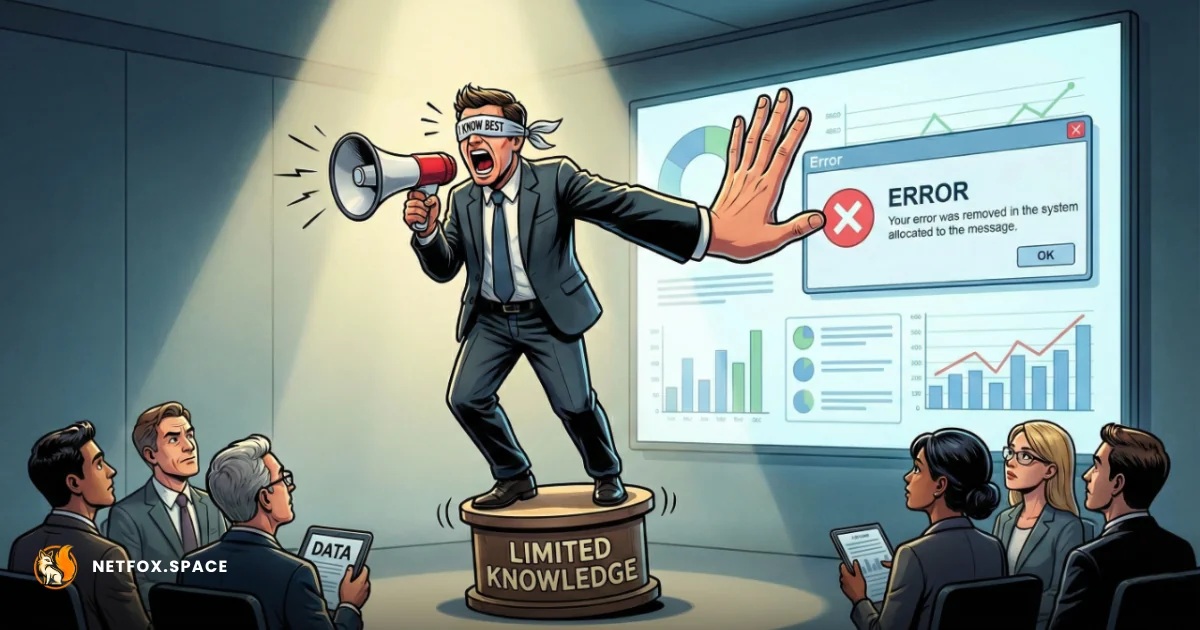
The Dunning-Kruger effect remains a cornerstone of understanding social friction. Individuals with lower cognitive awareness frequently overestimate their mastery of complex subjects, leading to aggressive assertions in fields where they lack formal training or experience.
A hallmark of this behavior is the persistent inability to admit error when presented with verifiable data. In professional environments, this translates to a "loudest in the room" dynamic that prioritizes confidence over factual accuracy.
| Behavioral Marker | Cognitive Root | Social Impact |
|---|---|---|
| Interruption | Lack of impulse control | Disrupts collaborative problem-solving |
| Fact-Resistance | Confirmation bias | Facilitates the spread of misinformation |
| Low Empathy | Poor social intelligence | Erodes community and workplace trust |
| Trend Obsession | Mimicry over analysis | Reduces individual critical agency |
Digital Susceptibility and the Verification Crisis
The rapid dissemination of misinformation is frequently driven by users who lack basic digital literacy skills. Behavioral analysts categorize the "blind share"—posting content based solely on an inflammatory headline—as a significant indicator of low cognitive discernment.
This behavior bypasses the executive function of the brain responsible for source verification and logical consistency. By prioritizing emotional engagement over truth, individuals contribute to a feedback loop that degrades the quality of public discourse.
Structural Deficits in Empathetic Communication
Social intelligence is often measured by the ability to read non-verbal cues and adjust behavior accordingly. Individuals exhibiting poor social awareness frequently dominate conversations, ignore personal boundaries, or fail to recognize when their presence causes discomfort.
These "blind spots" are not merely personality quirks but are often rooted in a failure of theory of mind—the capacity to understand that others have different perspectives or feelings. According to research from 2025, chronic interruption is one of the most cited behaviors linked to a lack of intellectual humility.
The persistence of these behaviors suggests a widening gap between high-functioning critical thinkers and those reliant on reactive, emotional heuristics. As digital environments become more complex, the inability to adapt cognitively may lead to increased social isolation or a permanent reliance on algorithmic guidance rather than independent thought.
References:
-
Psychology Today (https://www.psychologytoday.com)
-
Journal of Social Intelligence (https://www.jsi-journal.com)
-
BuzzFeed (https://www.buzzfeed.com) - Source of original community discussion.
Comments (0)
Please login to comment
Sign in to share your thoughts and connect with the community
Loading...