

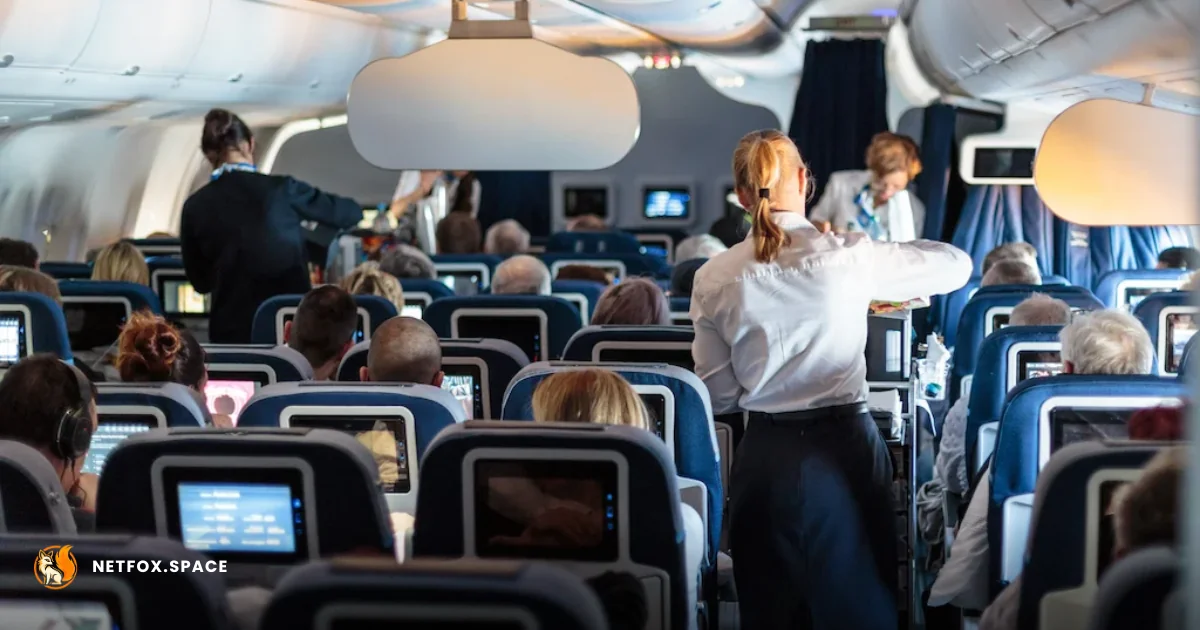
The Failure of the "Miracle" Travel Gadget
The global travel accessories market, valued at billions, has long pushed "ergonomic" neck pillows as the definitive solution to long-haul discomfort. However, frequent flyers and medical experts are increasingly pointing to a shift in passenger behavior. Data from major hubs in 2026 suggest that the most effective survival strategies rely not on external foam supports, but on managing the biological stressors of the cabin environment: dehydration, deep vein thrombosis (DVT) risks, and circadian rhythm disruption.
While high-end memory foam wraps and inflatable collars dominate airport retail shelves, they often fail to address the primary cause of "economy class syndrome." Experts argue that the limited range of motion in standard seating cannot be corrected by a pillow alone. Instead, the focus has shifted toward proactive physiological management—specifically compression gear and localized temperature control—rather than passive cushioning.
Physiological Management and the Hydration Crisis
The humidity in a pressurized aircraft cabin typically hovers below 20%, significantly lower than the 30% to 50% found in a typical home. This environment accelerates fluid loss, leading to the fatigue and headaches often mistaken for simple jet lag. Seasoned travelers are now adopting "pre-hydration" protocols, increasing electrolyte intake 24 hours before departure to mitigate the effects of dry cabin air.
| Survival Factor | Common Mistake | Professional Strategy |
|---|---|---|
| Hydration | Coffee and alcohol in-flight | Electrolyte solutions + 8oz water/hour |
| Circadian Alignment | Sleeping whenever tired | Light-exposure timing via apps |
| Circulation | Staying seated for 10+ hours | Compression socks (20-30 mmHg) |
| Nutrition | Heavy, high-sodium plane meals | Small, protein-rich snacks; fasting |
This shift toward biological maintenance is supported by recent studies into 2026 aviation health. The use of medical-grade compression socks has seen a 15% uptick among Gen Z and Millennial travelers, who are prioritizing long-term vascular health over short-term comfort gadgets. By maintaining blood flow and reducing edema (swelling), these travelers report significantly faster recovery times upon landing.
Strategic Movement and Cabin Environment Control
The "survivability" of a 14-hour flight is increasingly dictated by movement discipline. Aviation health guidelines now emphasize "active sitting," which involves isometric calf contractions and seated gluteal engagement every 30 minutes. These micro-movements are more effective at preventing stiffness than the occasional walk to the galley, which is often blocked by service carts or turbulence.
Furthermore, the mastery of the immediate micro-environment—noise and light—remains the most critical factor for sleep. While a neck pillow may provide a soft surface, high-fidelity active noise-canceling (ANC) technology and total-blackout eye masks are cited by 82% of frequent flyers as their most essential "non-negotiable" tools. These devices allow the brain to enter deeper stages of sleep by neutralizing the 85-decibel hum of jet engines and the erratic light patterns of the cabin.
As airlines continue to squeeze seat pitch to maximize revenue, the burden of health and comfort has shifted entirely to the passenger. The move away from bulky physical props toward sophisticated physiological self-regulation suggests that the future of long-haul travel lies not in better gear, but in a better understanding of human biology under pressure.
Comments (0)
Please login to comment
Sign in to share your thoughts and connect with the community
Loading...