

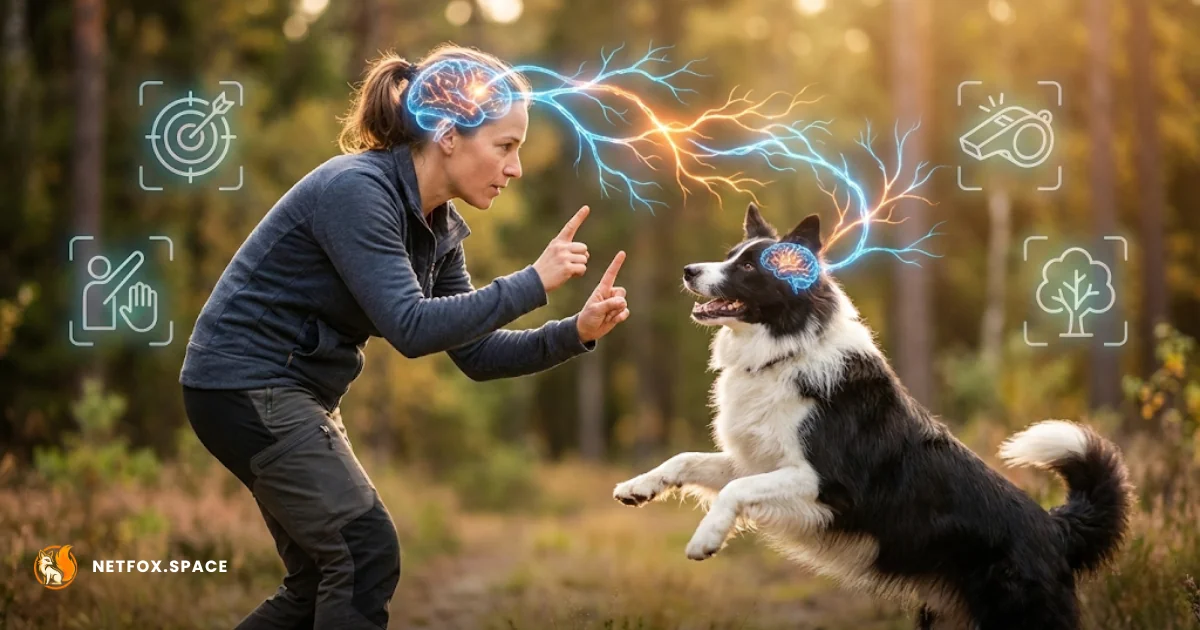
Strategic Behavioral Interventions for Instant Action
To effectively bypass the brain's natural resistance to effort, behavioral psychologists recommend several "rapid-start" techniques. These methods focus on the first five seconds of a task, where the conflict between the prefrontal cortex and the limbic system is most intense.
-
The 2-Minute Rule: If a task takes under two minutes, execute it immediately to avoid mental buildup.
-
The 5-Second Countdown: Count backward from five to zero to interrupt "overthinking" and trigger the motor cortex.
-
The 5-Minute Commitment: Commit to working for just five minutes; research shows over 90% of individuals continue once momentum is established.
-
Task Chunking: Break projects into "absurdly small" units to trigger frequent dopamine releases.
-
Temptation Bundling: Pair a difficult task with something enjoyable, such as listening to a specific podcast only while filing reports.
-
Low Activation Energy: Prepare your workspace or gym clothes the night before to reduce the mental friction of starting.
-
Implementation Intentions: Use "If-Then" planning (e.g., "If I open my laptop, then I will immediately write one sentence") to automate decision-making.
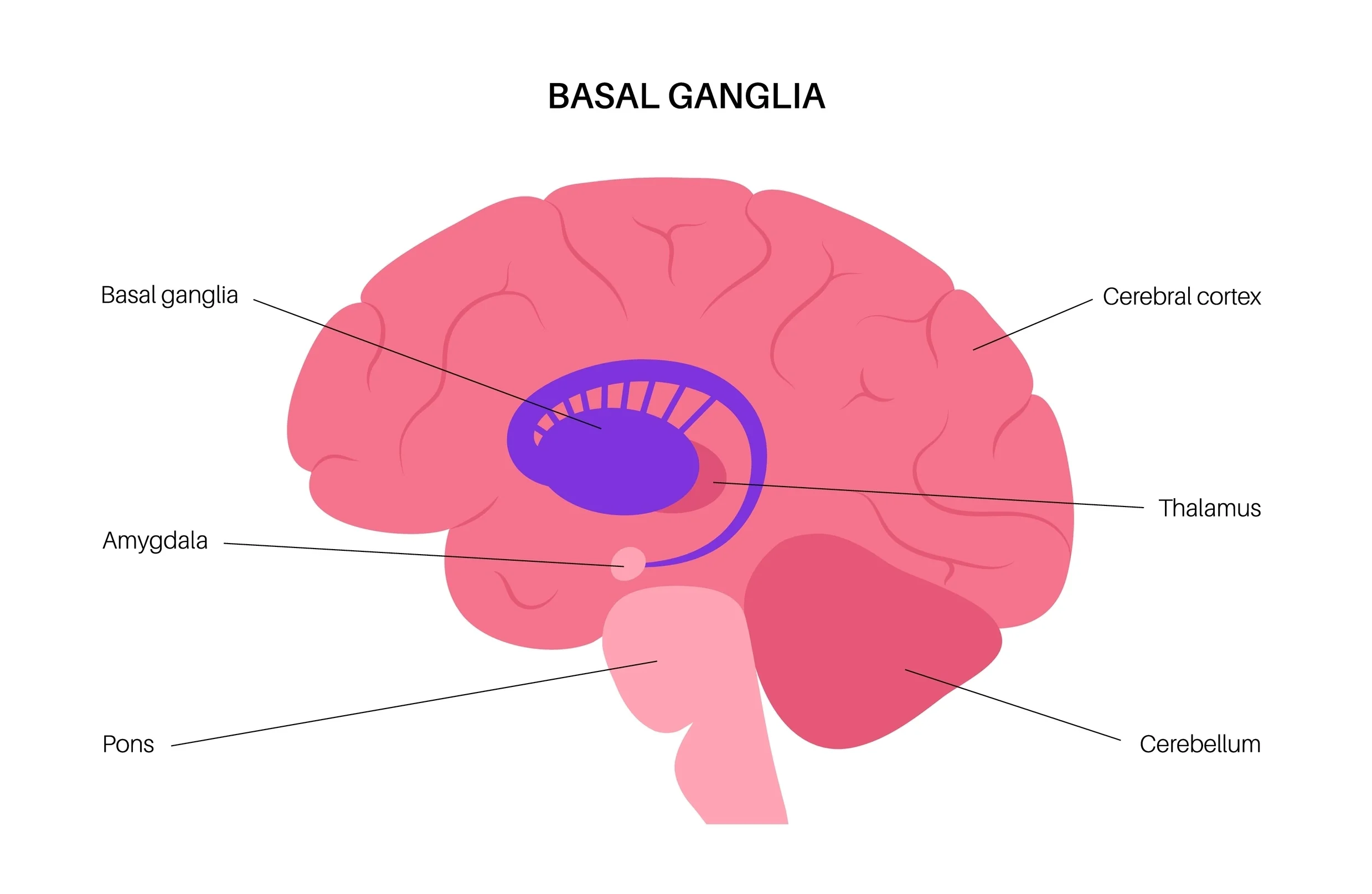 Research from UCLA neuroscientist Dr. Matthew Lieberman indicates that the brain is naturally "hardwired for sloth" to conserve metabolic energy. To overcome this, experts advocate for "lowering the activation energy"—the amount of mental effort required to start a task—to prevent the basal ganglia from triggering a threat response.
Environmental Engineering and Cognitive Fueling
Productivity is highly dependent on the physical and chemical state of the brain. Experts emphasize that an environment designed for focus can compensate for temporary lapses in willpower.
-
Protein-First Fueling: High-protein meals prevent the glucose spikes and subsequent "crashes" that trigger lethargy.
-
Environmental Friction: Use digital barriers, such as a 10-second delay on social media apps, to break the impulsive scrolling loop.
-
Workspace Reset: Clear physical clutter to reduce the "visual noise" that competes for cognitive resources.
-
The "Dress Well" Ritual: Changing into professional attire—even when remote—signals a shift in identity to the brain's executive centers.
-
Single-Tasking: Avoid multitasking, which studies show can reduce functional IQ by up to 10 points.
-
Omega-3 Optimization: Consuming healthy fats supports the myelin sheaths that facilitate faster neural communication.
-
Planned Breaks: Utilize the 45/15 rule—45 minutes of deep work followed by 15 minutes of recovery to prevent mental fatigue.
| Hack Category | Primary Mechanism | Key Benefit |
|---|---|---|
| Micro-Goals | Dopamine Spiking | Sustains long-term motivation |
| Environmental | Choice Architecture | Reduces reliance on willpower |
| Biological | Metabolic Regulation | Stabilizes focus and energy |
| Social | External Accountability | Increases follow-through rates |
Systems for Long-Term Behavioral Reinforcement
Sustainable output requires moving beyond "grit" toward structured habit architecture. By formalizing success markers and social structures, the brain begins to view "work" as the path of least resistance.
-
Habit Stacking: Attach a new goal to an existing habit (e.g., "After my morning coffee, I will check my top priority task").
-
Macro Goals & Micro Quotas: Set ambitious targets but focus on "micro quotas"—the minimum amount of work you must do daily to stay on track.
-
The "Done List": Maintain a log of completed tasks to visualize progress and build self-efficacy.
-
Social Accountability: Share specific deadlines with a peer; social pressure is a powerful deterrent for the brain's "lazy" circuits.
-
Mindfulness Training: Brief daily meditation (even 5 minutes) strengthens the prefrontal cortex's ability to resist distractions.
-
Dopamine Spotting: Consciously celebrate small wins to reinforce the neural pathways associated with achievement.
-
Scheduled Free Time: Explicitly book "guilt-free" leisure time to prevent the chronic burnout that manifests as deep laziness.
The move follows a growing consensus among high-performance coaches that "laziness" is often a symptom of poor energy management or environmental design rather than a moral failure. As the workforce transitions into more cognitively demanding roles in 2026, the ability to engineer one’s own behavior through these atomic-scale hacks is becoming a prerequisite for professional survival.
By implementing these 21 strategies, individuals shift from a reactive state—governed by the impulses of the limbic system—to a proactive state of "architectural productivity." The ultimate goal is not to eliminate rest, but to ensure that when it is time to work, the brain is biologically and environmentally primed for action.
Comments (0)
Please login to comment
Sign in to share your thoughts and connect with the community
Loading...