
AI Office Job Displacement: The Blue-Collar Economic Ripple

The White-Collar Exodus: 2026’s Automated Displacement
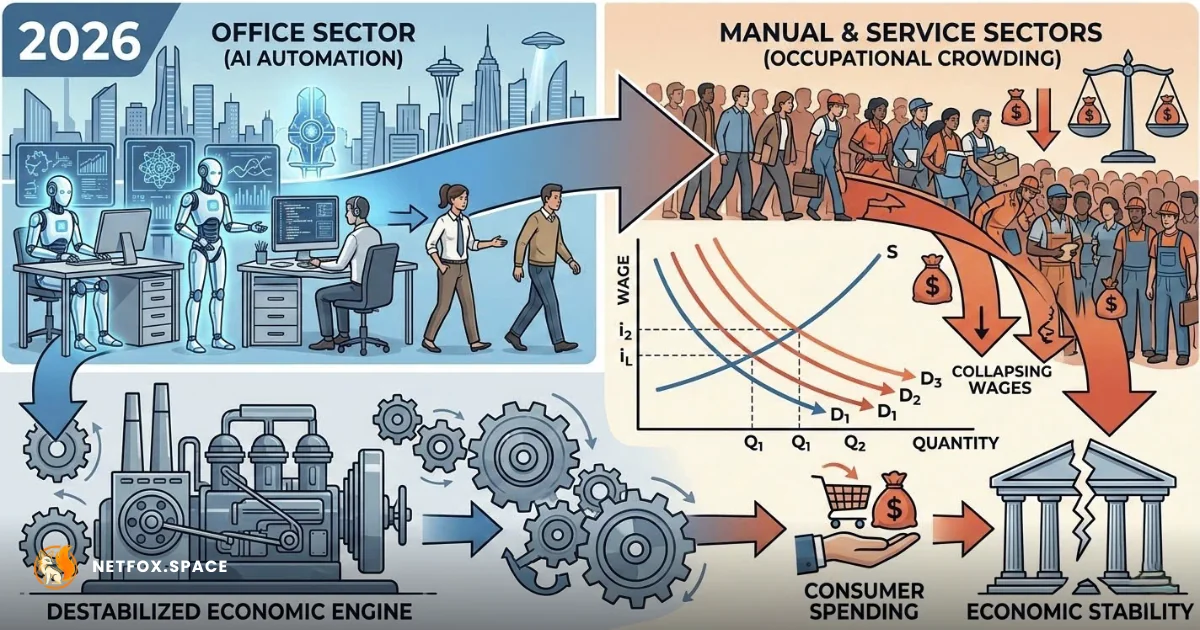
In early 2026, the long-predicted "AI wipeout" of office roles transitioned from theoretical risk to a measurable economic contraction. The United States private sector recorded a hiring slump of 22,000 jobs in January 2026, driven largely by the sudden obsolescence of entry-level administrative and data-processing positions. High-profile corporate restructuring has accelerated this trend, notably with Amazon slashing 16,000 office-based roles as part of a pivot toward AI-augmented operations.
This shift is not merely a "tech sector" issue. According to a Citrini Research report released in February 2026, the rapid deployment of Agentic AI—systems capable of executing complex multi-step workflows without human oversight—is currently outmoding tasks that previously required entire departments of middle management. The "efficiency gain" for corporations has become a "displacement crisis" for a workforce that has no lateral white-collar moves remaining.
 The Occupational Crowding Effect
The Occupational Crowding Effect
The immediate reaction to office job losses is a forced migration into the blue-collar labor force and the gig economy. This phenomenon, known as "Occupational Crowding," occurs when workers displaced from one sector flood another that they are overqualified for or previously avoided. In Australia and the UK, there has been a 12% spike in applications for skilled trades and delivery roles from individuals with professional services backgrounds.
This influx creates an artificial surplus of labor in sectors like logistics, construction, and hospitality. While this initially benefits employers by driving down labor costs, it simultaneously exerts downward pressure on the wages of career blue-collar workers. The "schadenfreude" some manual laborers felt regarding the "AI-pocalypse" in tech has been replaced by the reality of intense competition from a desperate, high-volume pool of former office workers.
Differentiation: The Physiological and Financial Friction of "Trade Migration"
A critical factor that most analysts overlook is the "Physical Transition Barrier." The assumption that a displaced software engineer or paralegal can simply "pick up a wrench" ignores the physiological reality of vocational shifts. Actuarial data from February 2026 indicates a 15% increase in workplace injuries among workers over 35 who have transitioned from sedentary office roles to high-intensity manual labor within the last six months.
Furthermore, the financial exposure of these workers is mismatched for the blue-collar pay scale. Many displaced white-collar workers carry debt structures—mortgages and student loans—calibrated for professional salaries. When these workers enter the manual labor market, they are often unable to service their debt, leading to a rise in secondary defaults that impact the Banking Sector. This creates a "Zombie Labor Force" that is physically present in the blue-collar world but financially insolvent.
2026 Labor Market Displacement Metrics
| Sector Impacted | Primary Cause | 2026 Employment Shift | Wage Trend |
|---|---|---|---|
| Tech/Finance | Agentic AI Automation | -8.5% | Stagnant/Declining |
| Logistics | Occupational Crowding | +14.2% (Job Seekers) | -4.1% (Real Wages) |
| Skilled Trades | White-Collar Migration | +6.0% (Entry Level) | Stagnant |
| Public Service | Budgetary Constraints | -2.0% | Inflation-Linked |
The Consumer Demand Death Spiral
The systemic risk of an office job wipeout is not the loss of production, but the loss of consumption. Citrini Research warns that if 5% of the white-collar workforce is displaced without comparable re-employment, the resulting drop in aggregate demand could trigger a global stock sell-off. Office workers represent a high-spending demographic for the very blue-collar services they are now competing for—home renovations, automotive repair, and retail.
As professional salaries disappear, the demand for blue-collar goods and services collapses. This creates a "K-shaped" economic contraction where corporate profits may rise due to AI-driven cost-cutting, but the actual customer base erodes. The UK is already seeing the early signs of this in its youth inactivity crisis, where nearly 1 million young people are neither in the "new-collar" AI workforce nor the traditional trades, representing a total loss of future consumer potential.
 A Brief History of The JOB
Forward Tension: The Rise of the "Post-Work" Social Contract
As the first quarter of 2026 concludes, the tension between AI productivity and labor stability is reaching a breaking point. The IMF has suggested that "Ageless Teams"—mixing Gen Z digital natives with experienced workers—may be the only way to buffer the shock, yet corporate incentives remain focused on total automation.
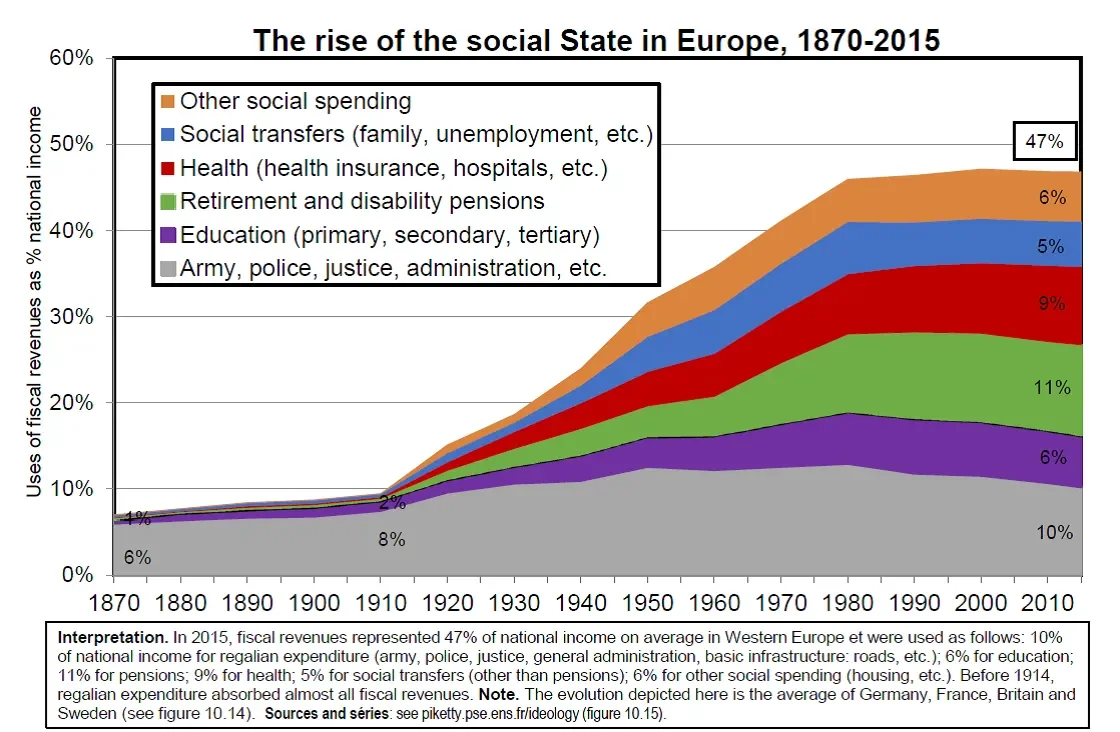
The immediate threat is not that AI will become "sentient," but that it will become so "efficient" that it bankrupts the very consumers it was meant to serve. Without a structural policy shift toward universal basic services or aggressive reskilling mandates, the 2026 labor market faces a "Frankenstein" scenario: a highly productive economy with no one left to buy the output.
References:
Comments (0)
Please login to comment
Sign in to share your thoughts and connect with the community
Loading...