
Storm Dave Impacts: Power Outages and Travel Disruption

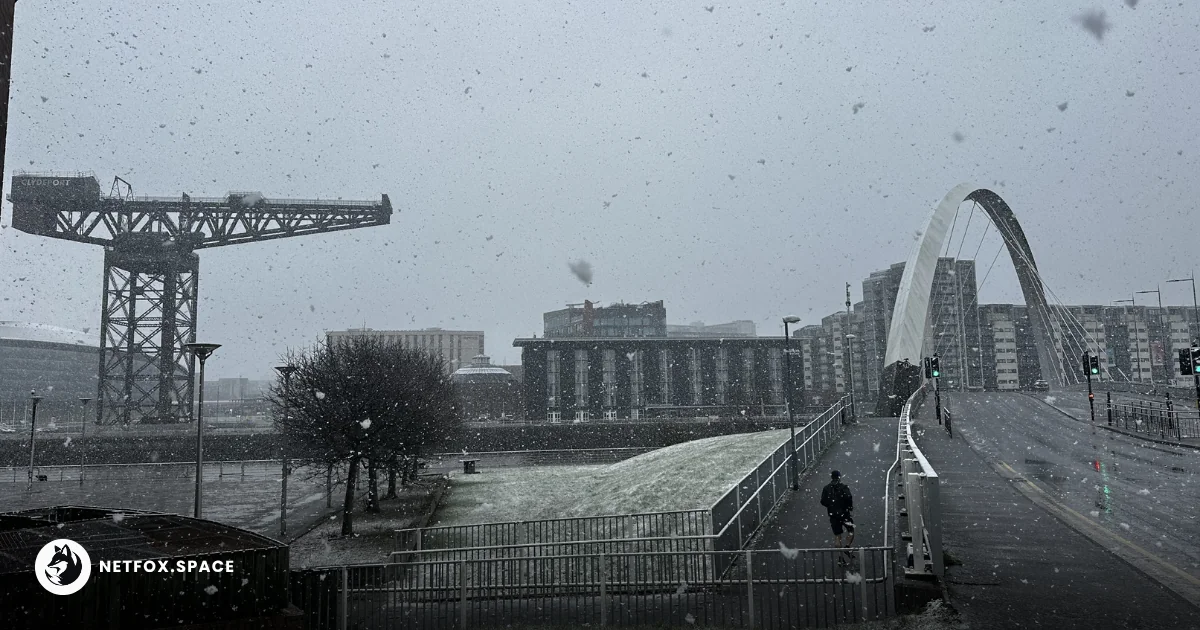
Storm Dave moved north-east into the North Sea on Sunday morning, leaving behind a trail of power outages, blocked roads, and unseasonal snowfall across the UK. While major weather warnings have expired, transport networks remain under significant strain as engineers and maintenance crews begin the recovery phase.
Power restoration efforts continue across Scotland, Wales, and Northern Ireland
Utility companies are working to reconnect thousands of customers after high winds caused widespread damage to local grids. In North Wales, Capel Curig recorded a peak gust of 93mph—surpassing initial forecasts by 20mph—contributing to power losses in Glynneath and Abergavenny. Across the Irish Sea, approximately 2,000 homes in County Armagh and County Down lost power during the peak of the storm.
In Scotland, Scottish and Southern Electricity Networks (SSEN) dispatched fault response teams to Caithness, Skye, and coastal Aberdeenshire. While dozens of homes lost power in Buchan following 73mph gusts, engineers anticipate most reconnections will be finalized by late Sunday evening. The localized nature of these outages, often caused by fallen trees blocking some routes, has required manual clearance before technical repairs can commence.
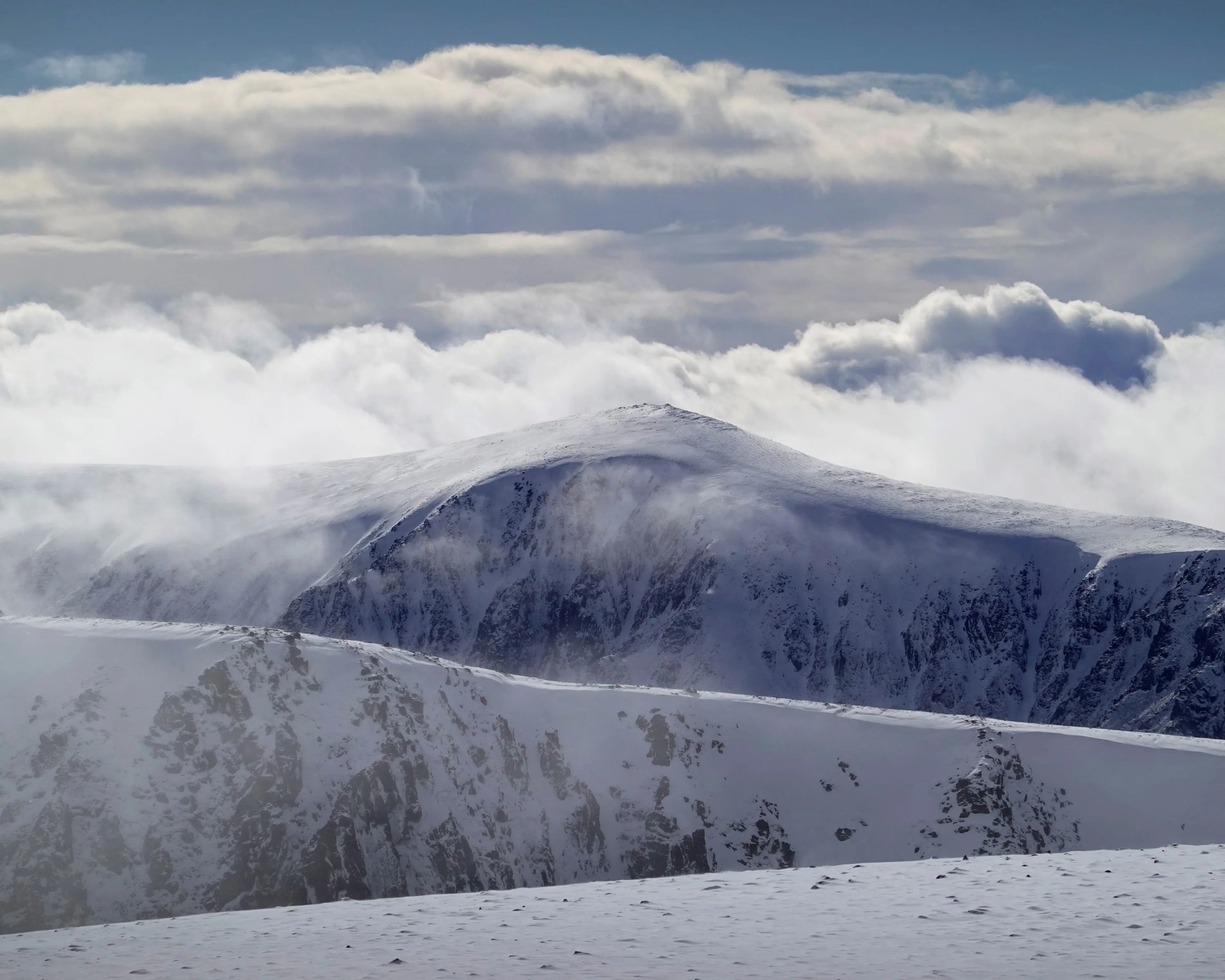 Snow in the Cairngorms. Some train and ferry services in Scotland and Northern Ireland were cancelled after Storm Dave’s windy conditions hit. Photograph: Murdo MacLeod/The Guardian
Transit networks face speed restrictions and bridge closures
The aftermath of the storm has created a fragmented transport picture for Easter Sunday travelers. ScotRail has implemented emergency speed restrictions across several sections of the rail network to mitigate risks from potential track debris. Similarly, Network Rail Manchester reported the use of replacement bus services between Manchester Piccadilly and Chester due to overnight conditions.
Maritime and road infrastructure also face lingering constraints. Several Caledonian MacBrayne ferry services were cancelled, with disruptions potentially extending into Monday. On the roads, Traffic Scotland maintained restrictions on the Forth Road Bridge, Dornoch Bridge, and Tay Road Bridge. Further south, 17 flights at Dublin airport were cancelled as pilots faced difficult landing conditions prior to the storm's departure.
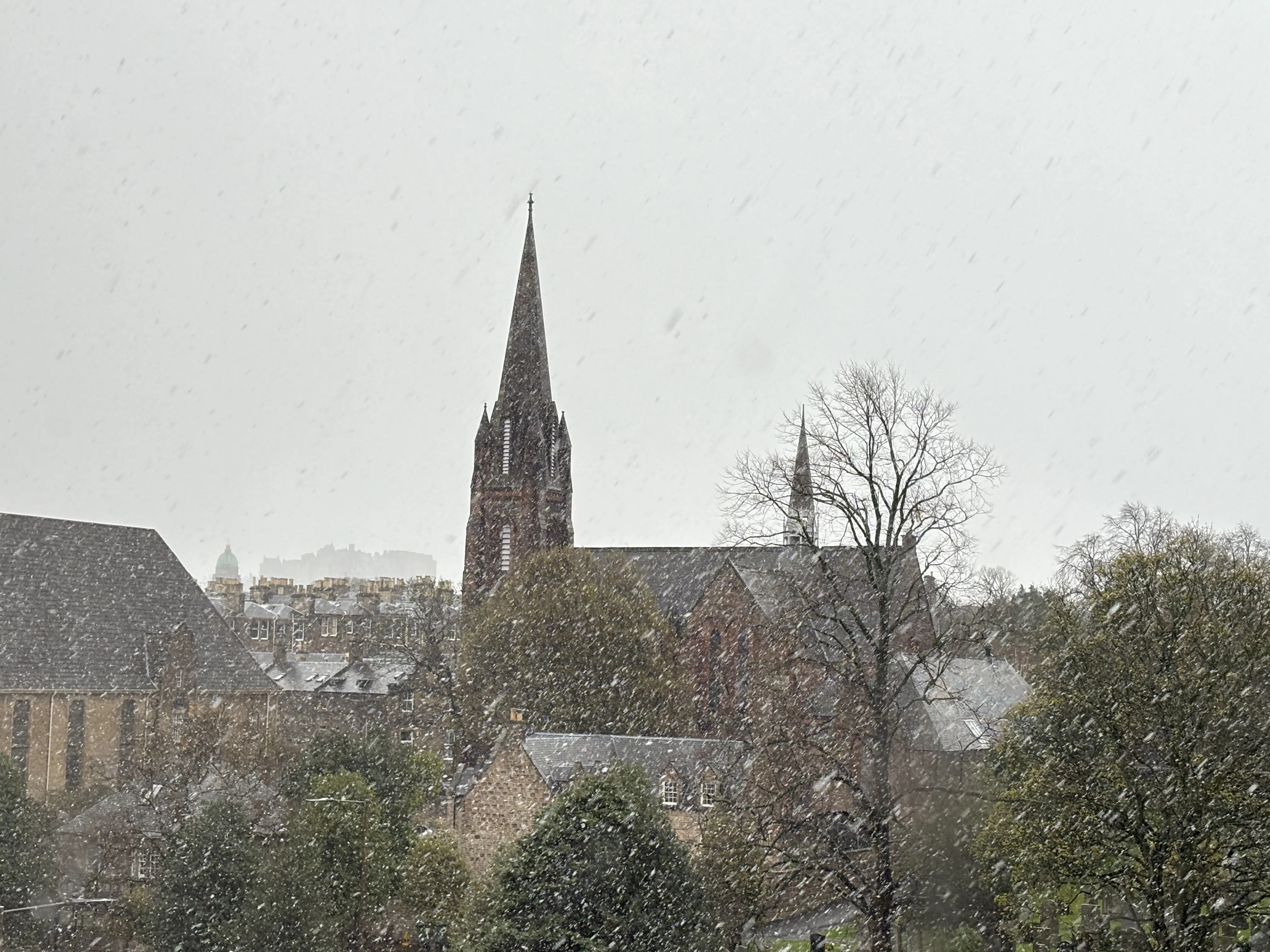 The capital experienced snow on Easter Sunday
Rising temperatures expected to follow unseasonal Easter snowfall
The unseasonal arrival of a yellow severe weather warning for snow and blizzards across the Scottish Highlands surprised many, though meteorologists note that Easter snowfall is statistically more common in the UK than snow on Christmas Day. Heavy accumulations were recorded in Moray and the Highlands, while Edinburgh and Glasgow saw a mix of sleet and wintry showers.
As the amber alert for strong winds expired early Sunday morning, the Met Office forecast a transition toward more typical April conditions. Temperatures are expected to climb significantly as warmer air arrived from Europe, potentially reaching the low 20s Celsius by Tuesday and Wednesday. In the immediate term, however, flood warnings remain active, with SEPA maintaining red warnings for the River Isla at Coupar Angus and Aberbothie.
Comments (0)
Please login to comment
Sign in to share your thoughts and connect with the community
Loading...