
King Charles US State Visit: Navigating Trump-Starmer Tension

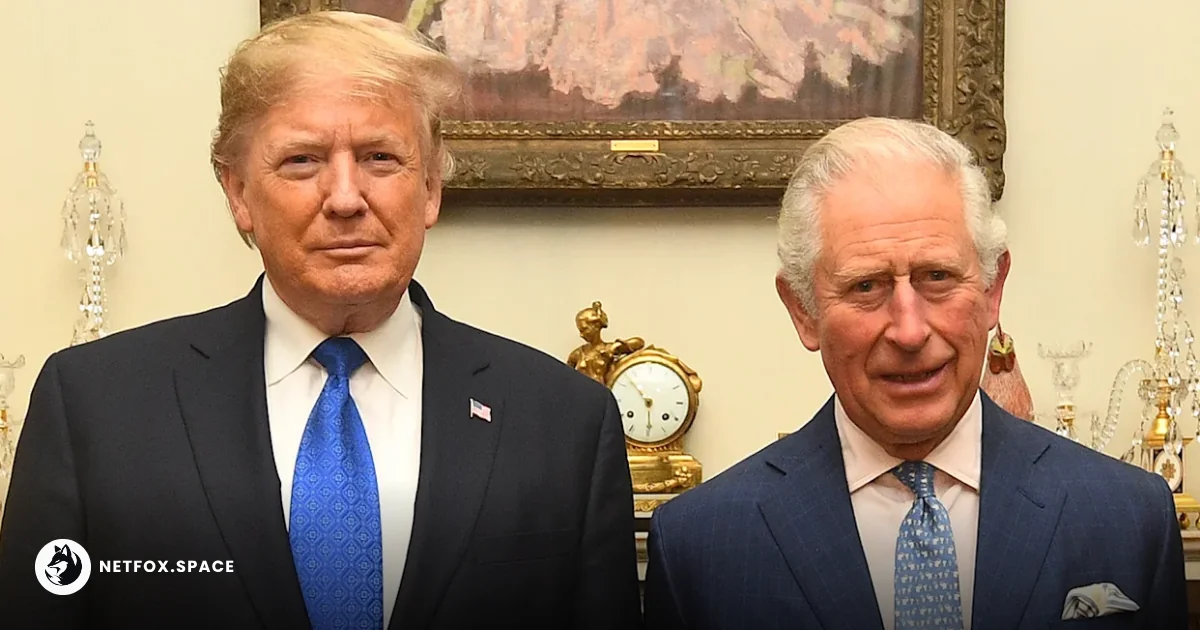
Buckingham Palace has confirmed that King Charles III and Queen Camilla will conduct a four-day state visit to the United States from April 27 to 30, 2026. The visit coincides with the 250th anniversary of American independence and places the British monarch in the center of a deteriorating relationship between the White House and Downing Street.
A historic anniversary meets a fractured diplomatic climate
The state visit, the first by a British monarch to the US in nearly two decades, is officially framed as a celebration of the "special relationship" and a commemoration of the US Semiquincentennial. In a significant procedural move, House Speaker Mike Johnson announced that the King has been invited to address a joint meeting of Congress. The invitation, signed by leaders from both parties, describes the address as a unique opportunity to reaffirm the alliance at a "pivotal time in history."
However, the confirmation comes at a moment of public friction between President Donald Trump and Prime Minister Keir Starmer. Less than an hour before the Palace’s announcement, President Trump issued a social media post criticizing the UK for its refusal to participate directly in offensive military actions against Iran. Trump specifically suggested that the UK should "go get your own oil" and threatened to withdraw US support for the security of the Strait of Hormuz, a critical waterway for global energy supplies.
The King as a diplomatic buffer between two administrations
The primary challenge for the Palace involves maintaining the neutrality of the Crown while the host President remains openly hostile to the sitting British Prime Minister. Trump has previously contrasted Starmer unfavorably with Winston Churchill, citing the UK’s preference for offering only defensive military support in the Middle East.
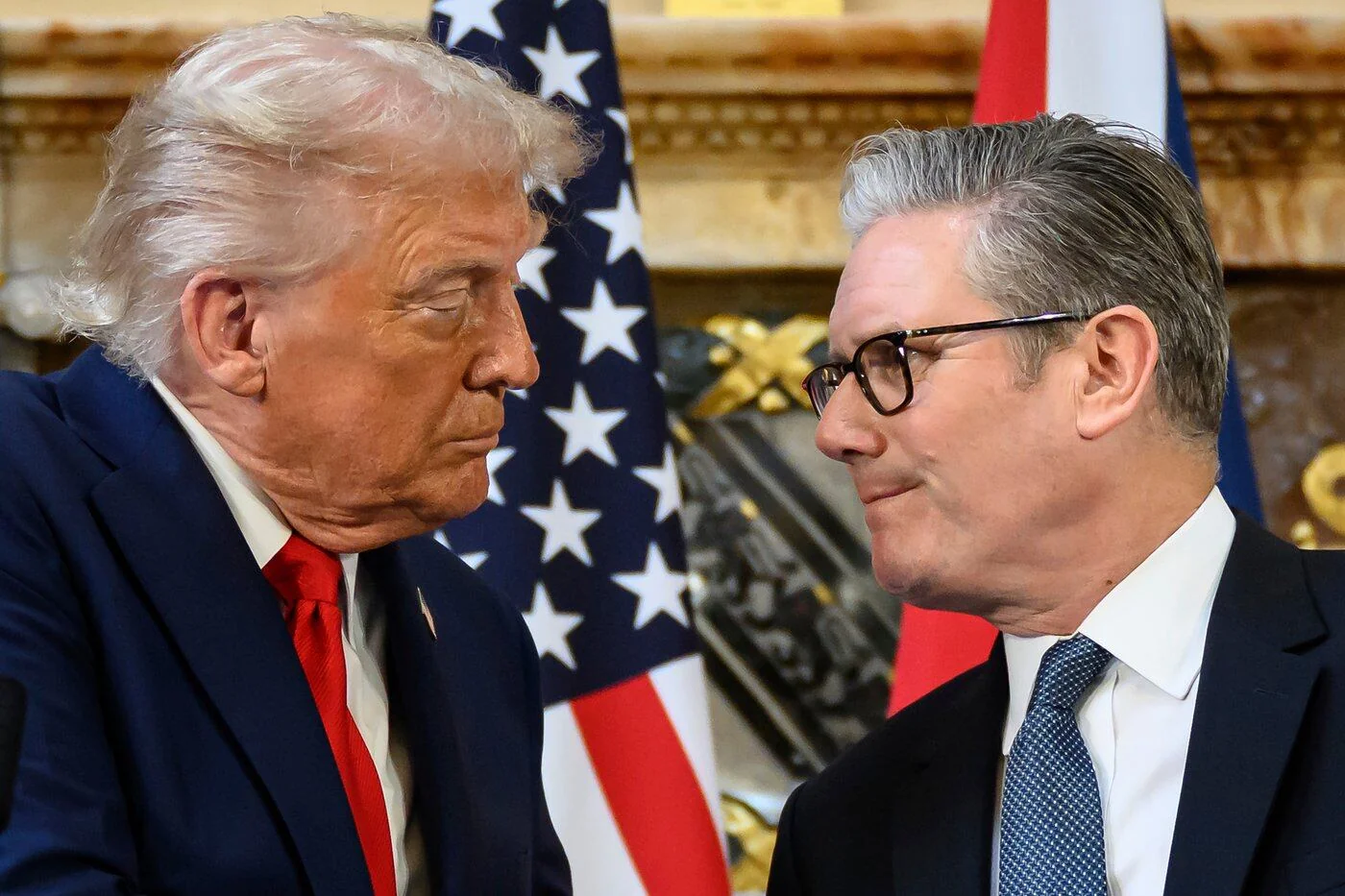 U.S. President Donald Trump slams the Spanish government and Prime Minister Keir Starmer after criticizing Trump’s decision to initiate conflict with Iran.
Government sources maintain that security and intelligence cooperation remains robust, yet the public rhetoric creates a difficult environment for a state visit intended to project unity. Royal experts suggest that the King’s lifelong experience in diplomacy will be tested, particularly during the White House state banquet on April 28. While Trump has expressed personal respect for the King, calling him a leader he "greatly respects," his unpredictability regarding protocol and his willingness to criticize British institutions—including the Royal Navy—could disrupt the carefully choreographed proceedings.
Domestic calls for postponement and protocol risks
In the UK, several political figures have raised concerns that the visit could result in a "humiliation" if the US President continues to disparage the British government during the King's stay. Emily Thornberry, chair of the Foreign Affairs Committee, and Liberal Democrat leader Ed Davey have both suggested that the trip should be delayed or canceled to protect the monarch from being caught in a political crossfire.
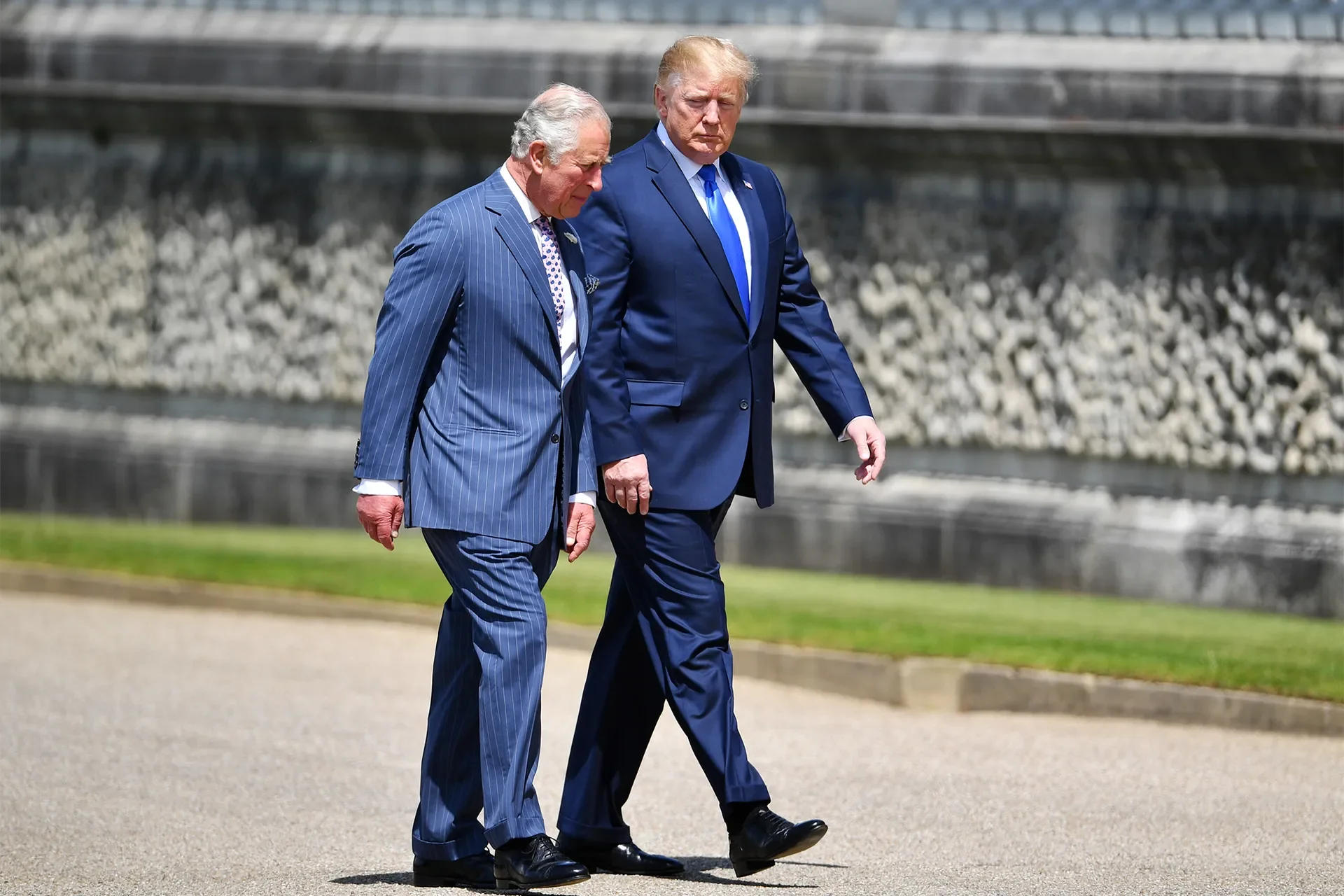 King Charles III and Donald Trump walk side-by-side outdoors on a sunny day
Beyond the immediate geopolitical tensions, the visit faces potential distractions from unresolved domestic royal issues. Analysts have noted that any public questioning regarding Andrew Mountbatten-Windsor could overshadow the diplomatic mission, particularly following recent reports on his legal standing and discussions regarding his succession status. While the Palace has clarified that the King will not meet with survivors of Jeffrey Epstein during the trip, the proximity of the American legal proceedings to the state visit remains a point of sensitivity for the traveling party.
Operational constraints of the four-day itinerary
Unlike a US President’s visit to the UK, where the schedule is often influenced by the Palace’s established traditions, this return visit will be largely dictated by the American host's schedule. President Trump is reportedly intending to be closely involved in the details of the four-day program.
The King is expected to lean on historical precedent to navigate his speeches, likely referencing the 1939 visit of his grandparents, King George VI and Queen Elizabeth, which took place on the eve of World War II. By focusing on the long-term institutional ties between the two nations, the Palace aims to fulfill its constitutional duty to the British government while avoiding any direct entanglement in the escalating rhetorical dispute between President Trump and the Prime Minister. After the conclusion of the US visit, the King is scheduled to travel to Bermuda, a British Overseas Territory, while the Queen returns to the UK.
Comments (0)
Please login to comment
Sign in to share your thoughts and connect with the community
Loading...