

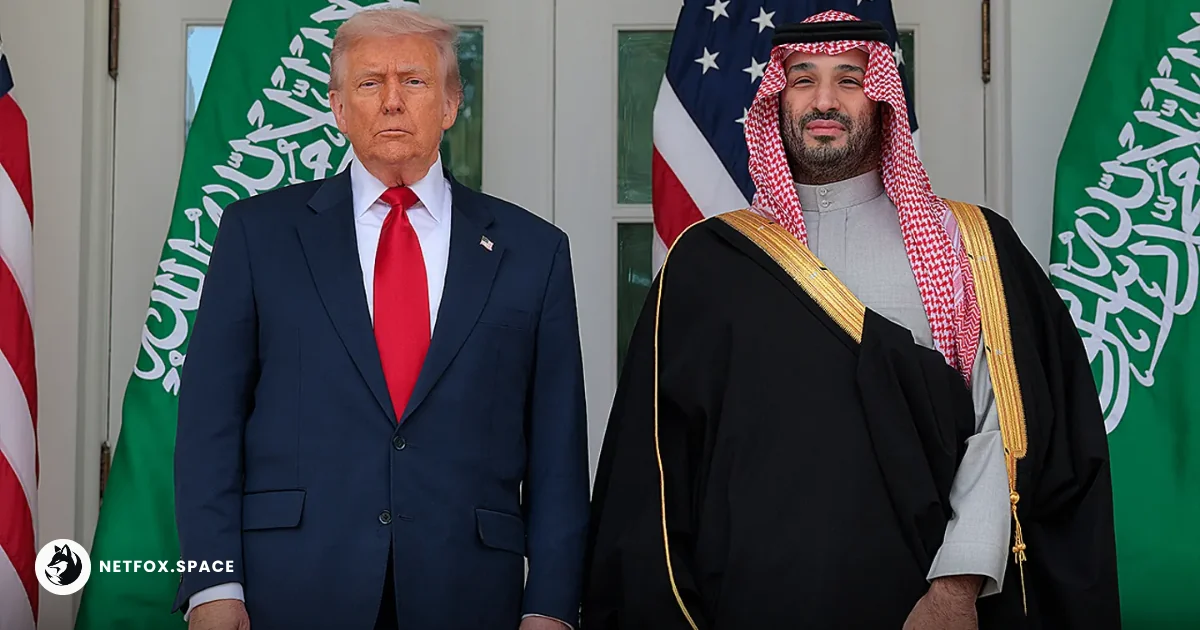
Regional Pressures Drive Gulf States to Recalibrate Security Ties with Washington
Ongoing regional instability and the limits of direct diplomacy with Tehran are prompting Gulf Arab states to reinforce their longstanding security architecture with the United States. Despite previous efforts to diversify global partnerships, recent escalations have underscored a continued reliance on American defense guarantees and intelligence sharing.
De-escalation efforts with Tehran reach practical limits
For several years, major Gulf powers sought a dual-track approach: maintaining a security umbrella with Washington while pursuing direct diplomatic engagement to lower tensions with Iran. This strategy was intended to insulate domestic economic projects from regional spillover. However, the intensification of proxy activities and direct maritime threats have tested the efficacy of these independent diplomatic channels.
The current environment suggests that while dialogue with Iran remains an active policy tool, it has not replaced the necessity of a hard-power deterrent. Policy analysts note that the unpredictability of regional strikes has made the sophisticated tracking and missile defense systems provided by the U.S. more critical to Gulf capitals than at any point in the last decade.
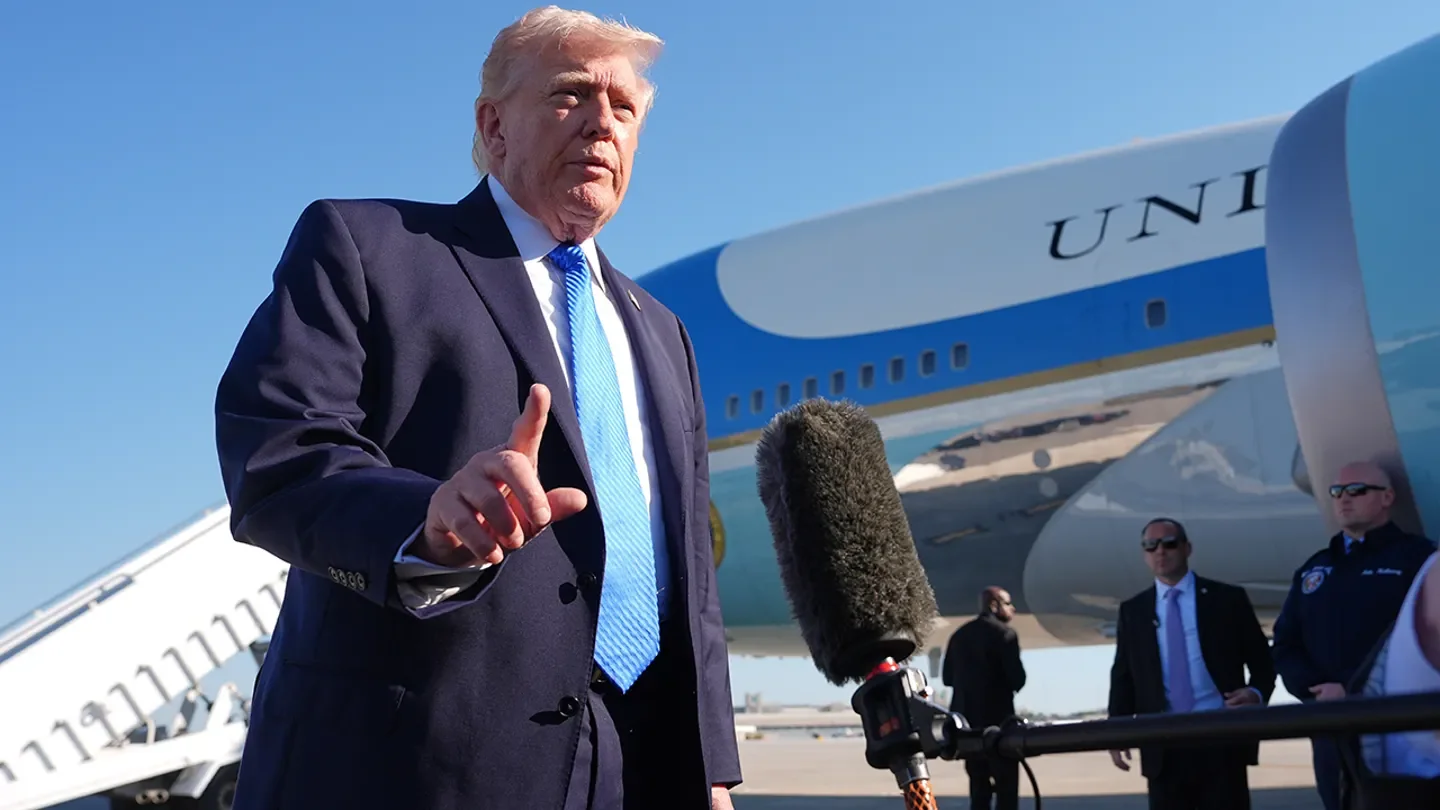 President Donald Trump speaks with the media before boarding Air Force One Monday, March 23, 2026, at Palm Beach International Airport in West Palm Beach, Fla. (Mark Schiefelbein/AP Photo)
Strategic pivot follows gaps in multi-aligned foreign policy
The shift marks a subtle but significant adjustment in the "multi-aligned" foreign policies recently championed by Gulf states. While nations like Saudi Arabia and the UAE have strengthened ties with China and Russia, those relationships have yet to yield the same level of integrated defense cooperation or crisis-response infrastructure offered by the U.S. military presence in the region.
This recalibration is not merely a return to the status quo but a targeted strengthening of specific defense pillars. Gulf officials have communicated a need for clearer security assurances and more consistent arms transfer schedules, viewing these as essential components to navigating the current volatility without being drawn into a wider kinetic conflict.
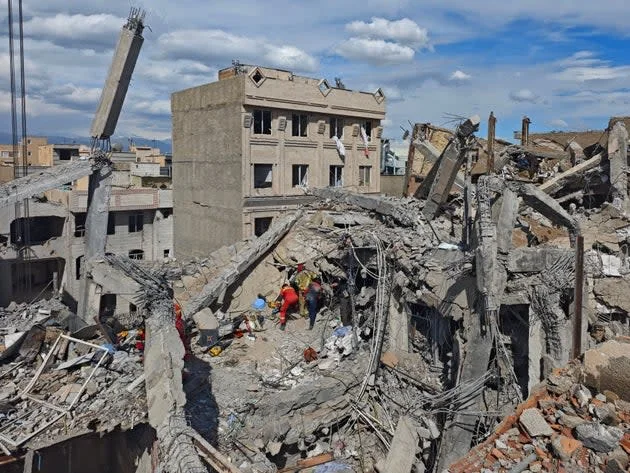 Rescue workers search for bodies in the rubble of a residential building following a hit in an airstrike in the early hours of March 27, 2026 in Tehran, Iran. (Photo by Majid Saeedi/Getty Images) Majid Saeedi via Getty Images
Regional stability depends on renewed coordination
The move toward Washington coincides with an increased emphasis on regional maritime security and the protection of global energy supply chains. As threat actors utilize more advanced drone and missile technology, the technical requirements for defense have surpassed what regional players can currently manage independently.
The sustainability of this alignment depends largely on how the U.S. balances its global strategic priorities with its commitments in the Middle East. For the Gulf states, the immediate priority remains the mitigation of Iranian-backed disruption, a goal that currently aligns their interests more closely with Washington than with other global powers. This coordination is being viewed not as a preference for Western intervention, but as a pragmatic necessity for maintaining domestic and regional economic stability.
Comments (0)
Please login to comment
Sign in to share your thoughts and connect with the community
Loading...