
DHS Shutdown Hits Day 36: Schumer Gambit and Aviation Risk

Legislative Gridlock and the Failure of the Schumer Gambit
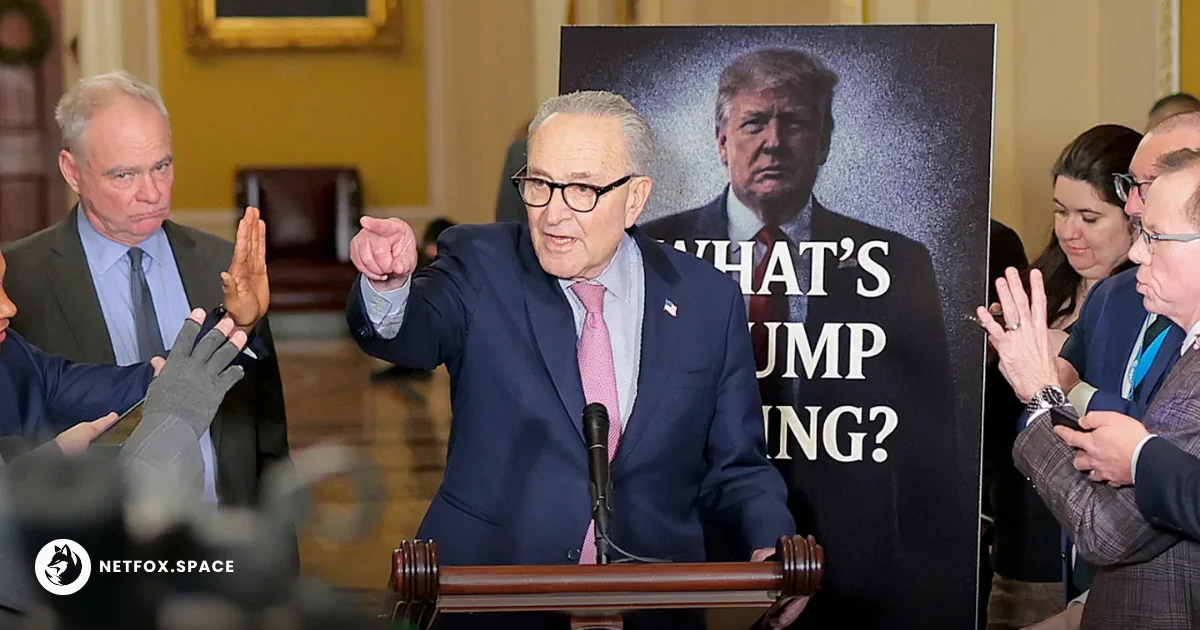
The U.S. Department of Homeland Security (DHS) entered its 36th day of a partial funding lapse on Sunday, marking a historic failure in high-stakes Senate negotiations. Senate Majority Leader Chuck Schumer had attempted a tactical "gambit" by decoupling border security funding from broader agency appropriations, betting that public pressure over airport delays would force a GOP retreat.
The strategy has instead resulted in a legislative stalemate, leaving approximately 245,000 DHS employees working without pay. The impasse centers on a $5.7 billion discrepancy regarding physical barriers at the southern border, a point of contention that has now frozen the administrative capacity of the Transportation Security Administration (TSA) and U.S. Customs and Border Protection (CBP).
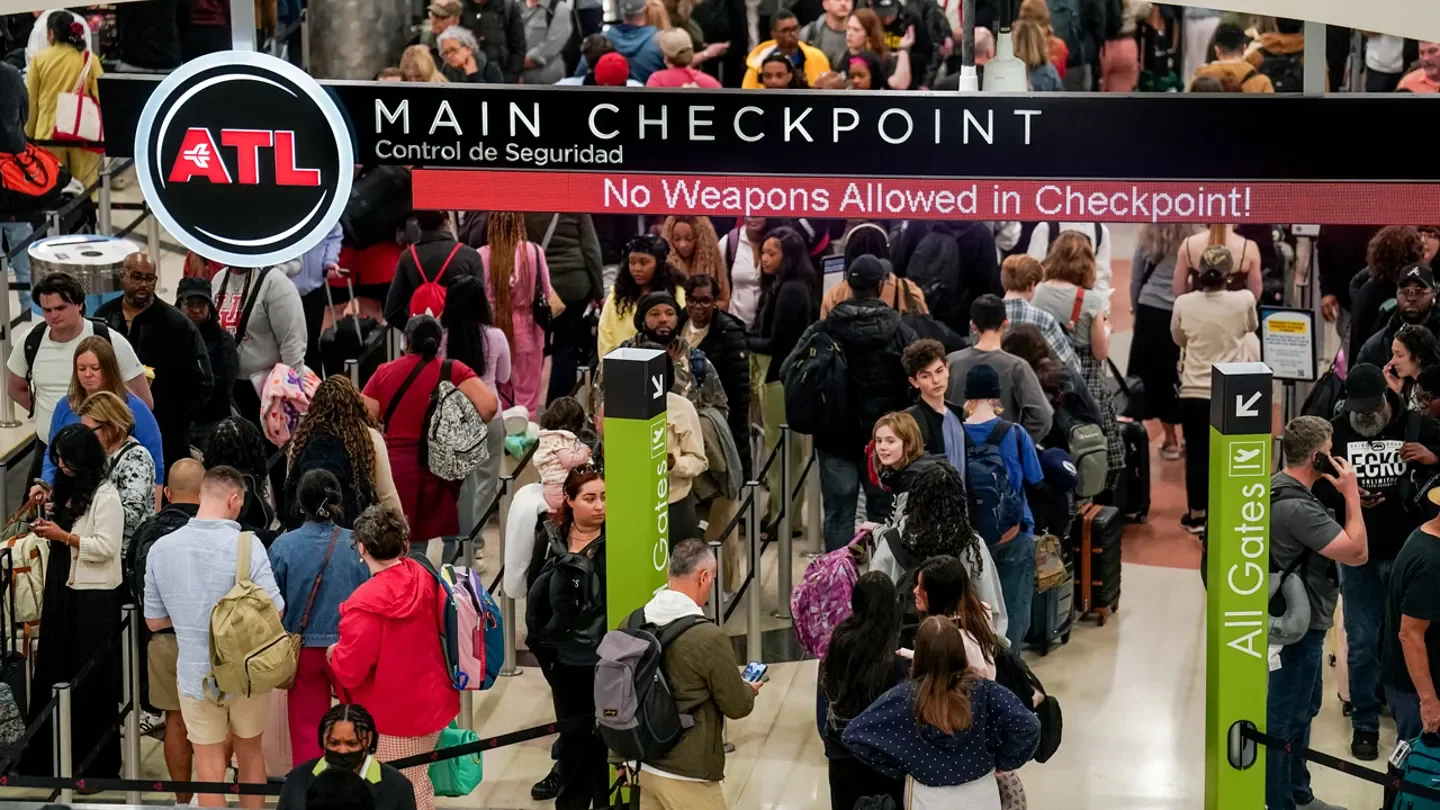 Travelers wait in line at a Transportation Security Administration checkpoint at Hartsfield-Jackson Atlanta International Airport in Atlanta, (Elijah Nouvelage/Bloomberg via Getty Images)
Critical Strain on National Aviation Infrastructure
As the shutdown enters its sixth week, the operational integrity of the Federal Aviation Administration (FAA) and the TSA is reaching a structural breaking point. Major hubs, including Hartsfield-Jackson Atlanta International Airport and LaGuardia Airport, have reported record-high unscheduled absences among screeners who can no longer afford the cost of commuting.
Wait times at security checkpoints have surged to over 90 minutes in primary corridors, triggering a domino effect of flight cancellations and logistical bottlenecks. This isn't merely a passenger convenience issue; it is a degradation of the "layers of security" protocol designed to prevent prohibited items from entering sterile terminal zones.
The "Silent Resignation": Hidden Risks in Federal Retention
While media coverage focuses on security lines, the more profound risk lies in the permanent loss of specialized human capital within the national security sector. Unlike previous short-term lapses, a 36-day freeze triggers "financial fatigue" that forces mid-level intelligence analysts and veteran air traffic controllers to seek private-sector employment.
| Impact Category | Metric / Status | Systemic Risk Level |
|---|---|---|
| TSA Staffing | 10% + Unscheduled Absence Rate | High (Security Gaps) |
| CBP Operations | Limited Port-of-Entry Processing | Moderate (Trade Delays) |
| Air Traffic Control | Training Programs Suspended | Extreme (Long-term Capacity) |
| Federal Credit | Government Employee Loan Defaults | Rising (Economic Stress) |
This "silent resignation" phase means that even if a budget is passed tomorrow, the DHS will face a multi-year recruitment and training deficit. Competitors and adversaries are currently observing the vulnerability of U.S. domestic borders as the workforce's morale and focus are diverted toward personal financial survival.
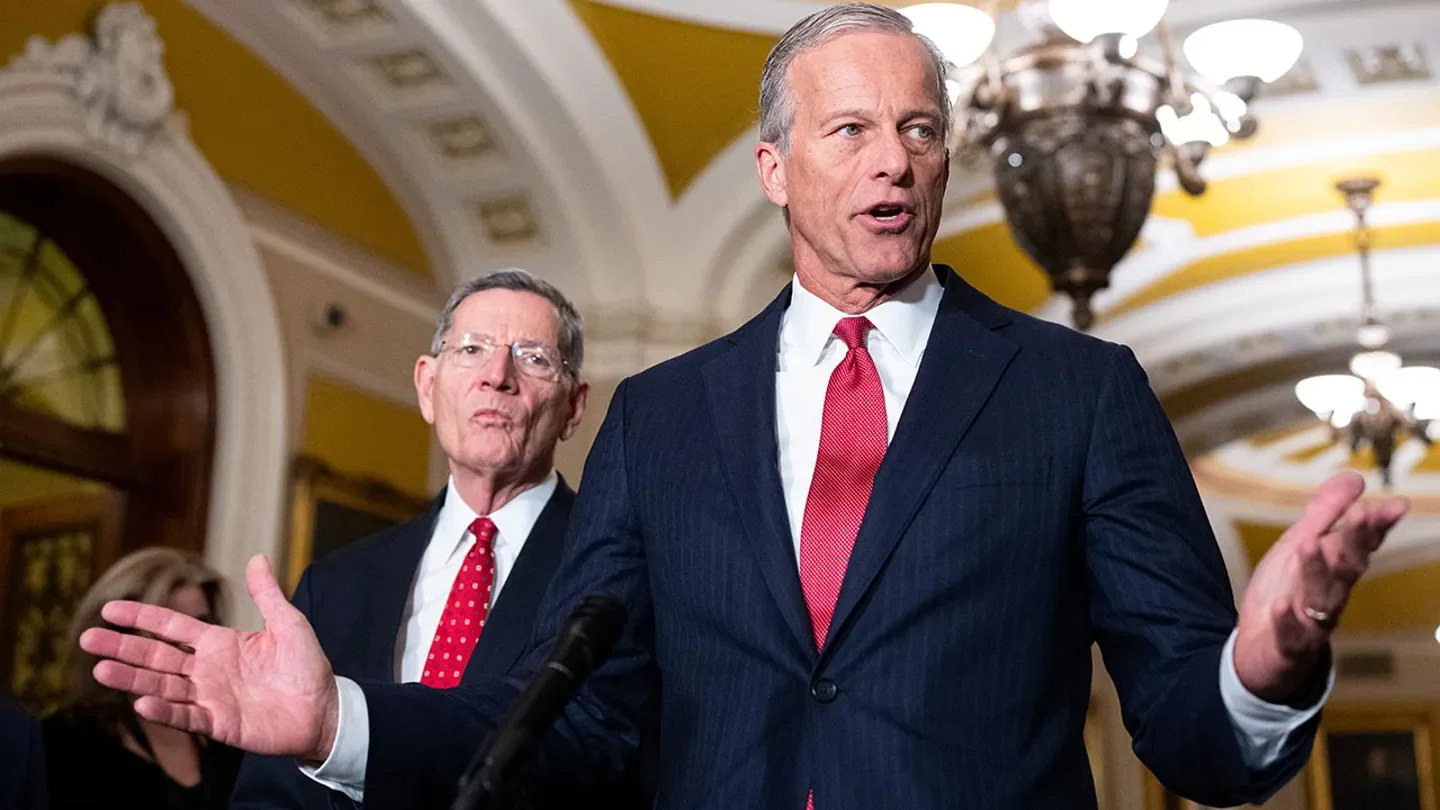 Senate Majority Leader John Thune, R-S.D., speaks during the Senate Republicans' news conference in the Ohio Clock Corridor in the U.S. Capitol Feb. 10, 2026. (Bill Clark/CQ-Roll Call, Inc via Getty Images)
Economic Contraction Within the Aerospace Sector
The shutdown’s reach extends beyond government payrolls into the broader aerospace and defense industry. The FAA has halted the certification process for new aircraft and equipment, effectively freezing the delivery pipelines for manufacturers like Boeing.
Small-to-medium enterprises that provide technical maintenance for federal fleets are seeing their contracts go unpaid, leading to localized layoffs in states like Virginia and Maryland. This creates an "economic drag" that analysts estimate could shave 0.1% off quarterly GDP growth for every two weeks the shutdown persists, fueled by reduced consumer spending from the federal workforce.
Operational Uncertainty and the Threat of "Blue Flu"
The immediate concern for the coming week is the escalation of "Blue Flu" coordinated sick-outs by essential personnel as a form of labor protest. While federal law prohibits strikes by these employees, the organic depletion of the workforce due to financial hardship creates the same functional outcome: a paralyzed transportation network.
Pressure is mounting on the White House and the Senate to find a "Continuing Resolution" (CR) mechanism that bypasses the wall funding debate. However, as long as both parties view the shutdown as a tool for political leverage rather than a catastrophic administrative failure, the probability of a 40-day milestone remains high, pushing the U.S. national security apparatus into uncharted territory.
Comments (0)
Please login to comment
Sign in to share your thoughts and connect with the community
Loading...