
Trump Threatens Iran’s Kharg Island Oil Hub Amid War 2026

Precision Strikes Obliterate Kharg’s Defense Grid
President Donald Trump announced on Sunday that the United States military is "locked and loaded" to dismantle Iran’s primary oil export hub, Kharg Island, following a series of massive precision raids. These strikes, part of Operation Epic Fury, reportedly neutralized more than 90 military targets, including naval mine storage facilities and surface-to-air missile batteries.
Despite the tactical destruction of the island's defense infrastructure, the Trump administration has strategically avoided targeting the oil jetties and pipelines that facilitate 90% of Iran’s crude exports. The President characterized the island as the Islamic Republic’s "crown jewel," asserting that the decision to spare the energy assets is a conditional reprieve tied directly to the "Free and Safe Passage" of global shipping through the Strait of Hormuz.
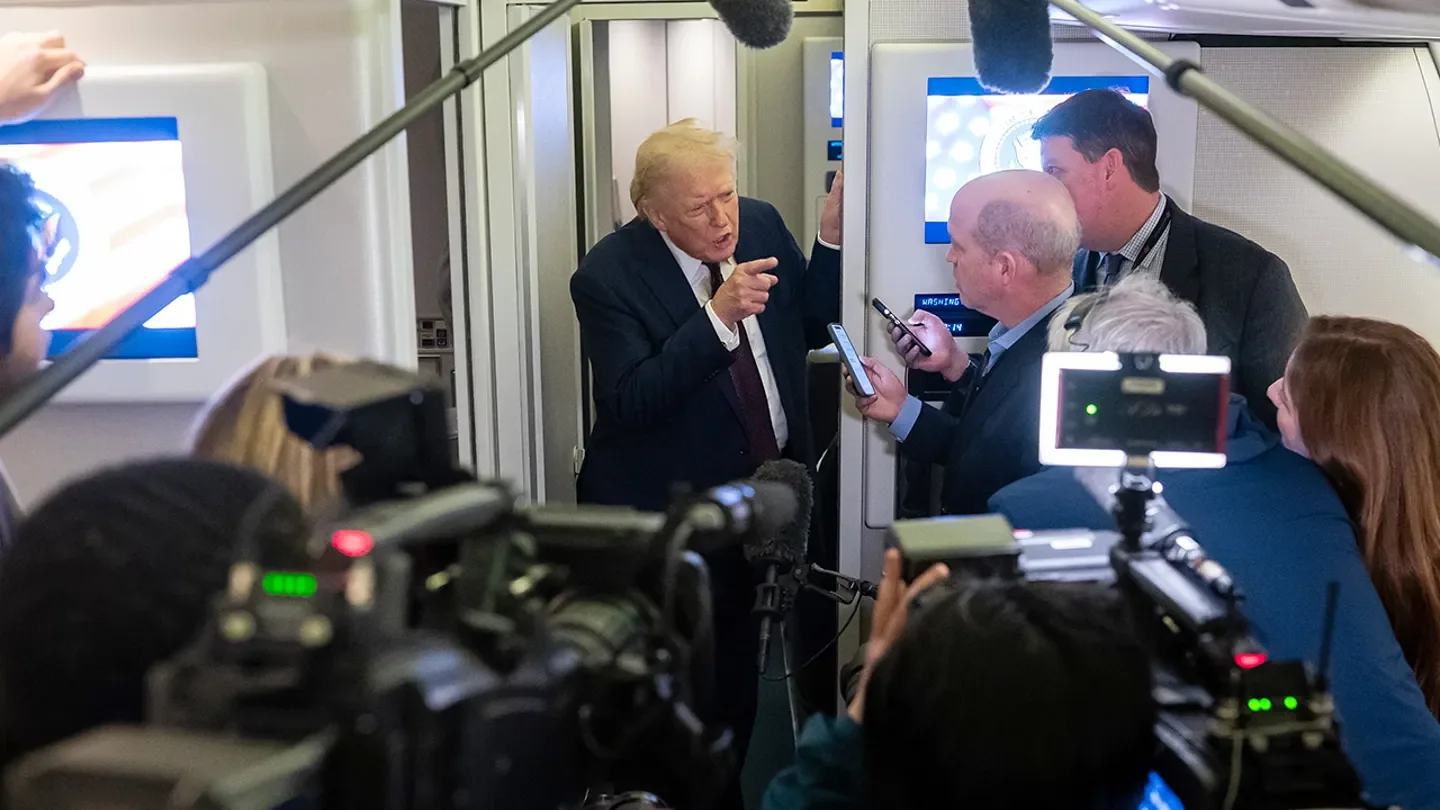 President Donald Trump speaks to members of the media aboard Air Force One, March 15, 2026. (Nathan Howard/Getty Images)
The Economic Toll of Operation Epic Fury
Internal Pentagon briefings provided to the U.S. Congress indicate that the first six days of the 2026 Iran war have incurred a direct cost exceeding $11.3 billion. This expenditure, largely driven by the high burn rate of sophisticated munitions like the AGM-154 Joint Standoff Weapon, highlights the massive financial scale of the conflict.
The Department of Defense has transitioned to less expensive JDAM guidance kits to manage the fiscal burden, yet the administration is still expected to request an emergency $50 billion supplemental funding package. This surge in spending comes as U.S. allies express growing concern over the geopolitical shift, with some traditional partners snubbing the administration’s calls for direct naval support in the Persian Gulf.
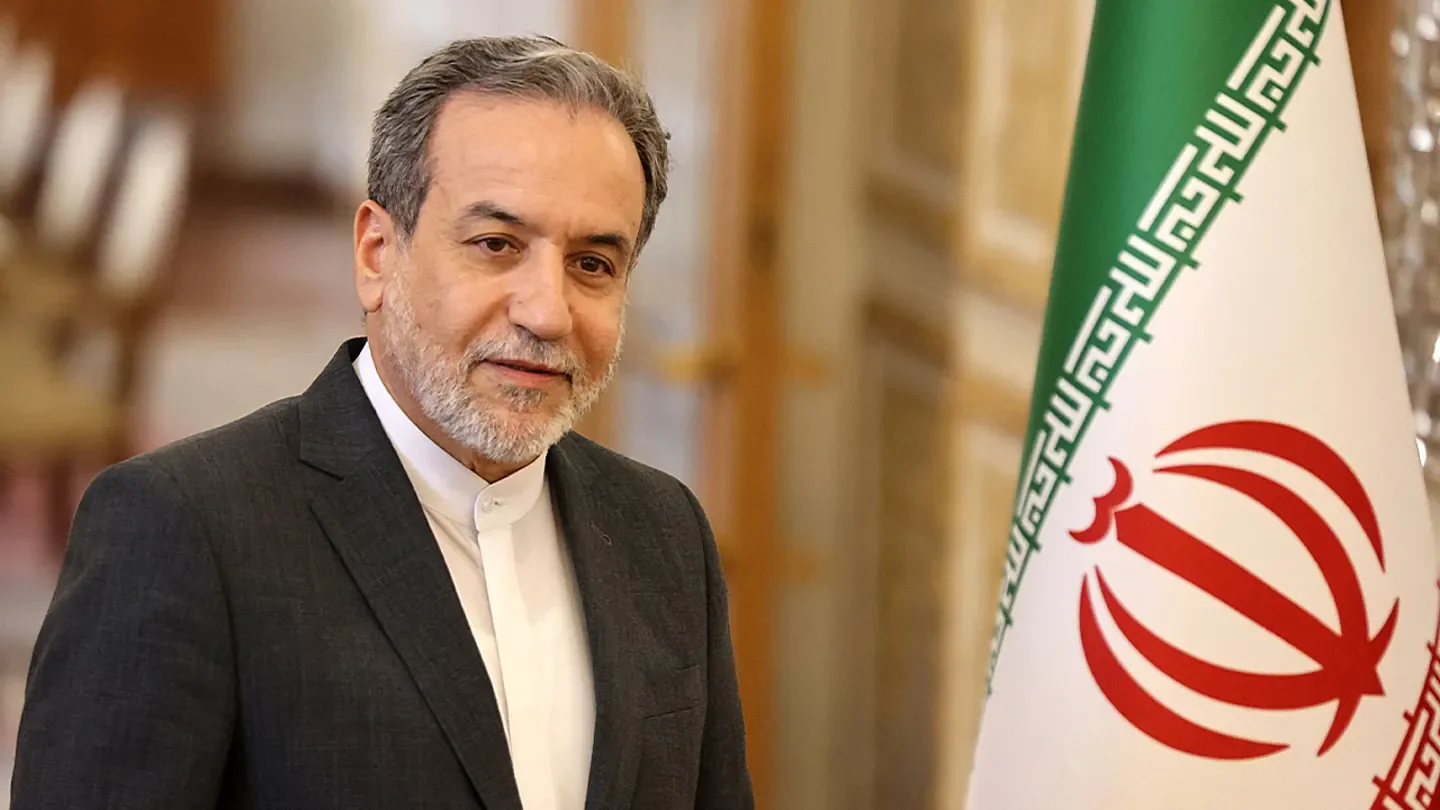 Iran's foreign minister, Abbas Araghchi, waits for the arrival of his Qatari counterpart before their meeting in Tehran on Aug. 26, 2024. (Atta Kenare/AFP via Getty Images)
The "Escrow" Leverage: Beyond Kinetic Warfare
What many geopolitical analysts are overlooking is the structural intent behind sparing Kharg Island’s oil infrastructure. By destroying the Islamic Revolutionary Guard Corps (IRGC) defenses while leaving the pumps intact, the United States is positioning itself to implement a 21st-century "Oil-for-Food" model, reminiscent of post-2003 Iraq.
The strategic goal appears to be the seizure or total oversight of Kharg Island to control Iran’s revenue at the source. Under this "Plan B," Iranian crude would continue to flow primarily to China but the proceeds would be funneled into U.S.-monitored escrow accounts. This mechanism would effectively decouple the Iranian state from its funding of regional proxies and nuclear development without the global price shock of a total supply cutoff.
Comparison of War Costs and Regional Impact (March 2026)
| Metric | Estimated Value | Context |
|---|---|---|
| Initial 6-Day Cost | $11.3 Billion | Highest daily burn rate since 2003 |
| Munition Expenditure | $5.6 Billion | First 48 hours of Operation Epic Fury |
| Oil Export Dependency | 90% via Kharg | Iran’s singular economic failure point |
| Global Supply Risk | 20% of seaborne oil | Transit via the Strait of Hormuz |
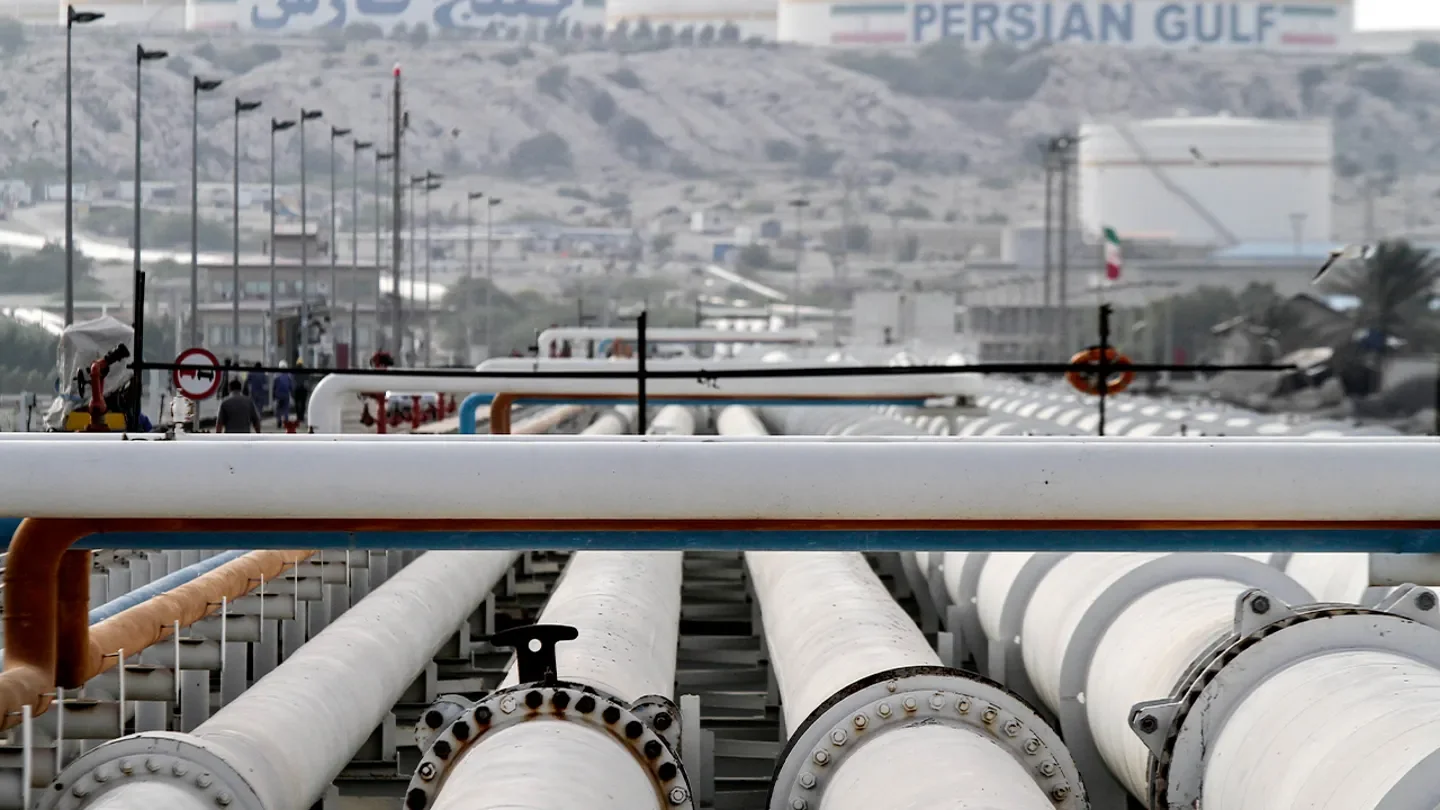 Export oil pipelines are seen at an oil facility on Kharg Island, on the shore of the Gulf, Feb. 23, 2016. (Str/AFP Via Getty Images)
Systemic Shifts in Global Energy Markets
The threat to Kharg Island has sent Brent crude prices soaring above $100 per barrel, despite the International Energy Agency (IEA) releasing 400 million barrels from emergency reserves. The conflict has forced a re-evaluation of the "shadow fleet" used by Tehran, as Indian authorities have begun seizing vessels linked to illicit Iranian shipments to align with the renewed "Maximum Pressure" campaign.
This systemic shift is also impacting the biotech and semiconductor sectors, as shipping delays in the Middle East ripple through global supply chains. Furthermore, the termination of Biden-era humanitarian parole programs indicates a broader policy hardening that mirrors the aggressive military posture in the Gulf.
Future Escalation: The Siege of the Island
The immediate future of the conflict hinges on whether the Trump administration moves from standoff strikes to a physical occupation of Kharg Island. While the Israeli Defense Forces continue to target missile sites and leadership compounds, the "locked and loaded" rhetoric suggests the U.S. is prepared for a decisive economic knockout.
The risk of a "scorched earth" response from Tehran remains high; if the regime perceives its survival is at an end, it may attempt to sabotage its own facilities to trigger a global "ecocide" and economic depression.
Comments (0)
Please login to comment
Sign in to share your thoughts and connect with the community
Loading...