
Trump Deploys ICE to Airports Amid TSA Funding Standoff

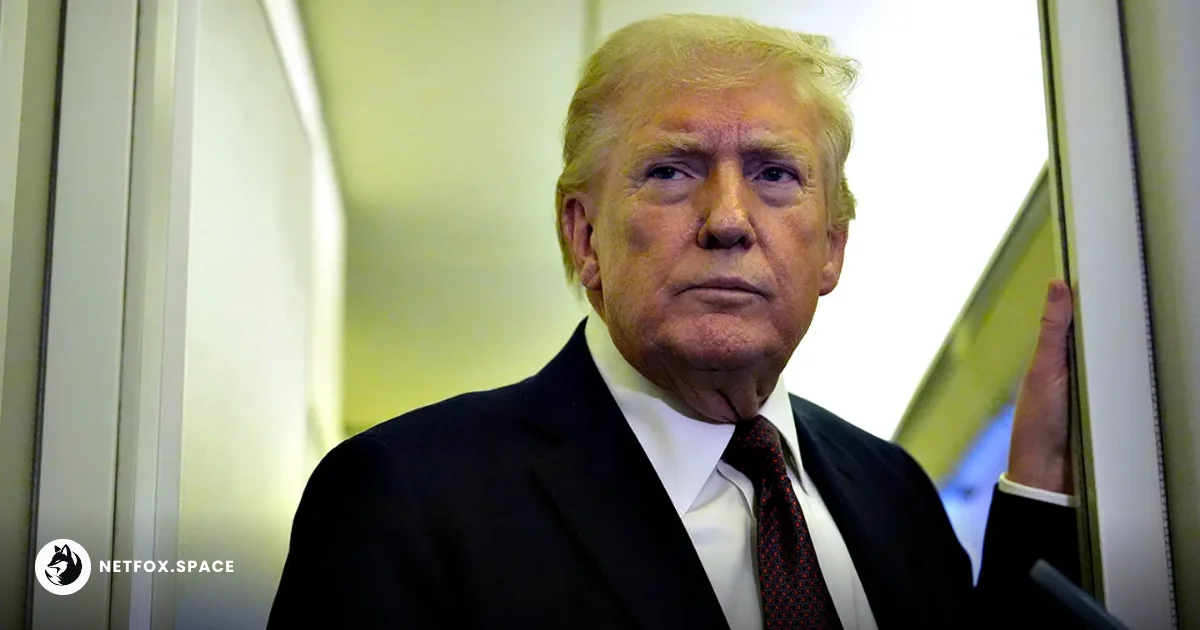
Emergency Mobilization at Federal Aviation Hubs
President Donald Trump announced that officers from U.S. Immigration and Customs Enforcement (ICE) will begin deploying to major domestic airports on Monday, March 23, 2026. This directive aims to provide operational support to the Transportation Security Administration (TSA), which is currently facing a severe personnel shortage. The deployment is a direct response to a protracted legislative impasse over federal appropriations, leaving the Department of Homeland Security (DHS) with limited discretionary funds to maintain standard screening protocols.
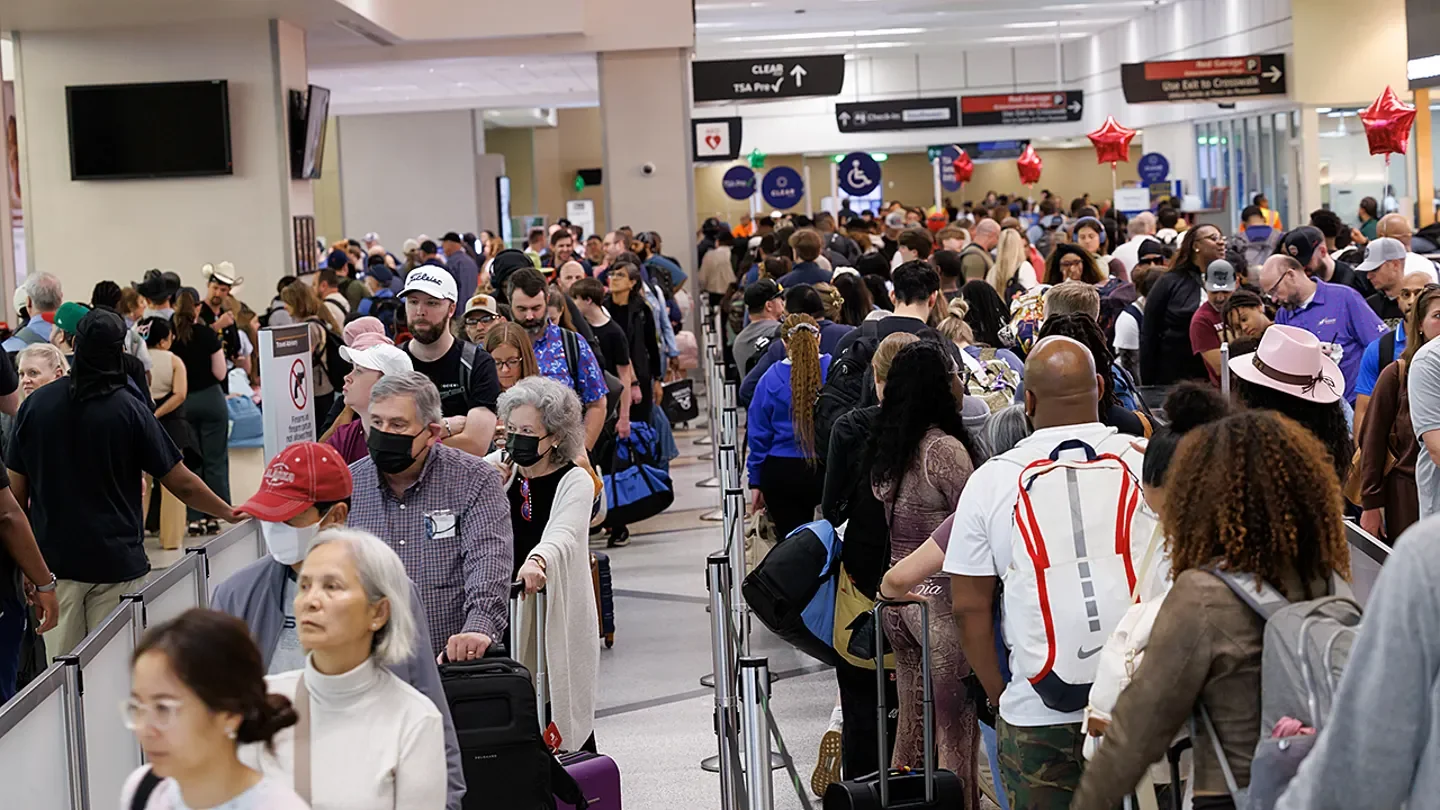 Travelers wait in line at a Transportation Security Administration (TSA) checkpoint at William P. Hobby Airport in Houston, Texas. (Mark Felix/Bloomberg via Getty Images)
The Intersection of Border Security and Aviation Safety
The integration of ICE personnel into the civil aviation sector marks a significant shift in federal labor allocation. While TSA agents are primarily trained for passenger screening and explosive detection, ICE officers bring a background in law enforcement and custodial procedures. This hybrid staffing model is intended to ensure that security checkpoints remain functional despite the funding standoff, preventing massive travel delays that could cripple the U.S. transportation infrastructure.
The Jurisdictional Shift: What Competitors Are Not Discussing
While mainstream reporting focuses on the immediate "fix" for traveler wait times, the long-term structural concern lies in the legal authority and training gap of cross-agency deployment. ICE officers operate under Title 8 (Aliens and Nationality) and Title 19 (Customs Duties) authorities, whereas TSA operates under Title 49 (Transportation).
The use of ICE personnel for TSA functions raises questions about the scope of "administrative assistance." If an ICE officer identifies a non-aviation-related immigration violation during a routine security screening, the legal precedent for detention in a non-border environment could be challenged. This move effectively turns airport checkpoints into multi-agency law enforcement zones, a transition that has occurred without a formal period of public comment or specific congressional authorization.
 Elon Musk offered to pay the salaries for tens of thousands of TSA employees amid the partial government shutdown. (Brandon Bell/Getty Images)
Financial Exposure and the Cost of Inter-Agency Loans
The "loaning" of personnel between agencies does not eliminate the budgetary deficit; it merely shifts the financial burden. The House Committee on Homeland Security has noted that deploying ICE agents who often command higher hourly wages and overtime rates than standard TSA screeners could actually accelerate the depletion of the DHS "carryover" funds.
| Impact Category | Detail |
|---|---|
| Primary Agency | Transportation Security Administration (TSA) |
| Supporting Agency | U.S. Immigration and Customs Enforcement (ICE) |
| Projected Start | Monday, March 23, 2026 |
| Funding Source | Emergency DHS Discretionary Reallocation |
| Risk Factor | Potential reduction in interior immigration enforcement capacity |
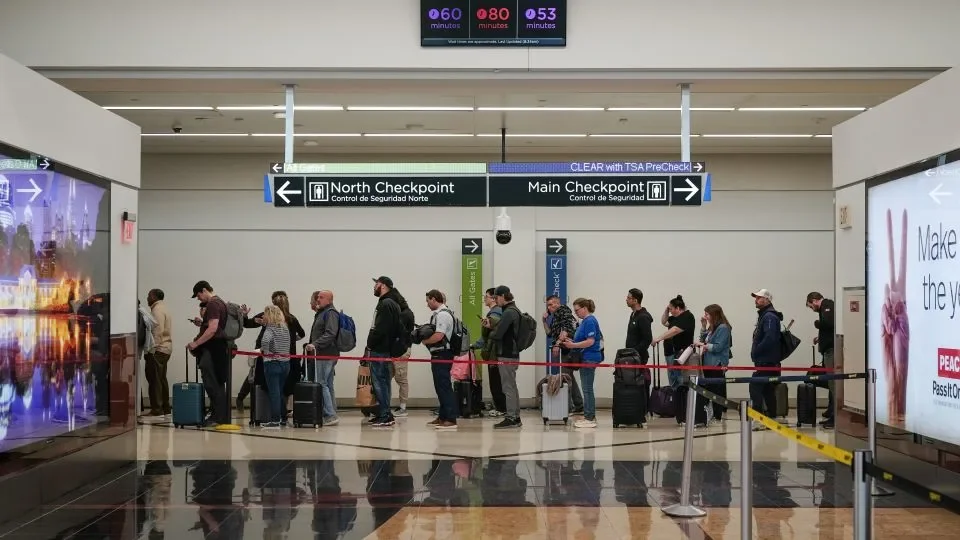 Travelers wait in line at a Transportation Security Administration checkpoint at Hartsfield-Jackson Atlanta International Airport in Georgia, on Friday. - Elijah Nouvelage/Bloomberg/Getty Images
Systemic Implications for Interior Enforcement
By reallocating ICE resources to the aviation industry, the administration is intentionally thinning the ranks of agents available for interior enforcement and removal operations. This strategic gamble suggests that the executive branch views a total collapse of the air travel system as a higher political and economic risk than a temporary pause in certain immigration-related field operations. Critics within the aerospace sector argue that this "robbing Peter to pay Paul" strategy may weaken national security by creating blind spots in the regions where these ICE agents were originally stationed.
Escalation of the Federal Appropriations Conflict
This deployment signals an end to conventional negotiations and the beginning of a "governance by emergency" phase. As the Monday deadline approaches, the reliance on ICE personnel underscores a deeper vulnerability: the inability of the federal government to guarantee essential services through standard legislative channels. The immediate question remains whether the American Federation of Government Employees (AFGE), which represents TSA workers, will file for an injunction against the use of non-TSA personnel to perform specialized screening duties.
Comments (0)
Please login to comment
Sign in to share your thoughts and connect with the community
Loading...