
Virginia SB 601: Racial and Gender Quota Dispute Explained

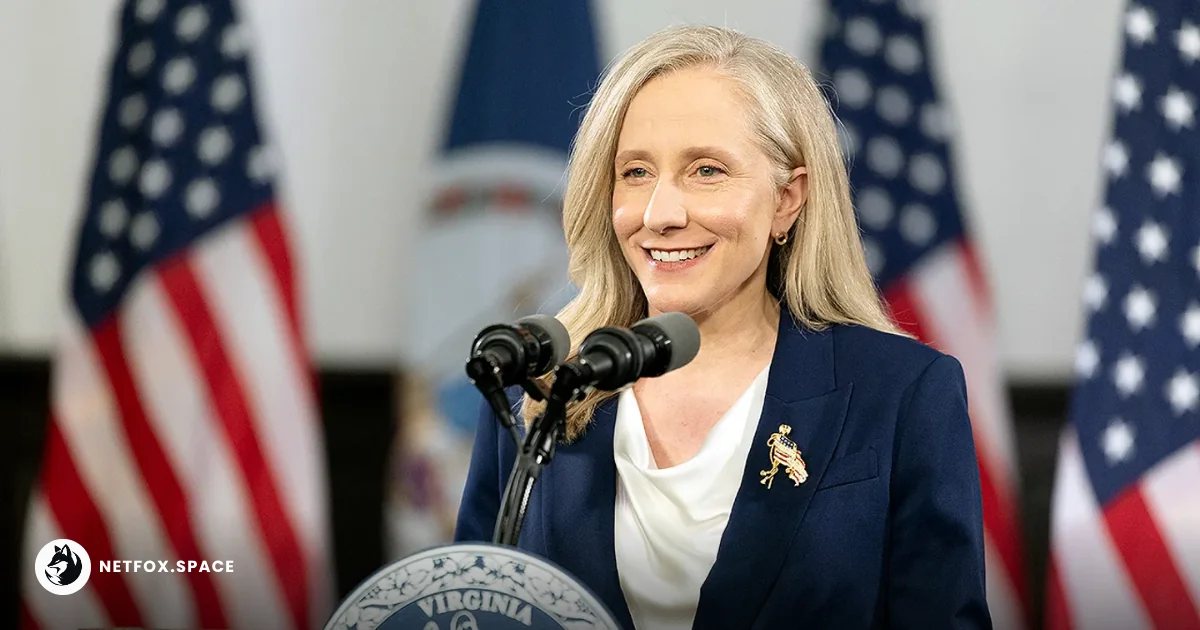
Legislative Mechanics of Senate Bill 601
Virginia Senate Bill 601, recently passed by the Democratic-controlled General Assembly, mandates that the Governor’s appointments to executive branch boards and commissions "reflect the racial, ethnic, and gender diversity" of the Commonwealth. This shift moves the language from aspirational representation to a directive mandate for the Virginia Secretary of the Commonwealth.
The legislation specifically targets the composition of over 300 state boards that oversee sectors ranging from the Virginia Board of Education to specialized regulatory bodies in the Department of Professional and Occupational Regulation. Opponents argue the bill creates a "de facto" quota system, while proponents maintain it merely formalizes a commitment to inclusive governance in a state where the population is approximately 58% White (non-Hispanic), 20% Black, and 10% Hispanic.
 A welcome sign is posted in the grass near the intersection of Lee Highway, Key Bridge and the George Washington Memorial Parkway in Rosslyn, Arlington County, Va. (Universal Images Group/Getty Images)
Constitutional Friction and Equal Protection Challenges
Legal experts, including representatives from the Pacific Legal Foundation, suggest that SB 601 may violate the Equal Protection Clause of the Fourteenth Amendment. The Supreme Court’s 2023 ruling in Students for Fair Admissions v. Harvard significantly narrowed the permissible use of race-conscious decision-making, establishing a precedent that could render Virginia’s mandate vulnerable to immediate litigation.
If signed, the bill would require the executive branch to weigh demographic characteristics alongside professional qualifications. This creates a high-stakes environment for Governor Abigail Spanberger, who must balance progressive legislative priorities against the risk of presiding over a policy that may be struck down by the Supreme Court of the United States as unconstitutional racial balancing.
The "Information Gain" Analysis: The Erosion of Merit-Based Neutrality
While news outlets have focused on the political "culture war" aspect, the deeper structural shift lies in the transformation of administrative law. SB 601 effectively moves the burden of proof from the applicant to the appointing office; the office must now justify appointments through the lens of a demographic matrix rather than purely individual merit or technical expertise.
This legislative strategy mirrors "Diversity, Equity, and Inclusion" (DEI) frameworks previously confined to corporate HR departments, now codified into state statute. The hidden implication is a potential "brain drain" from technical advisory boards. If qualified subject matter experts are bypassed to meet a demographic threshold, the state faces a hidden risk of decreased efficiency in critical infrastructure and regulatory oversight a consequence rarely discussed in the partisan debate.
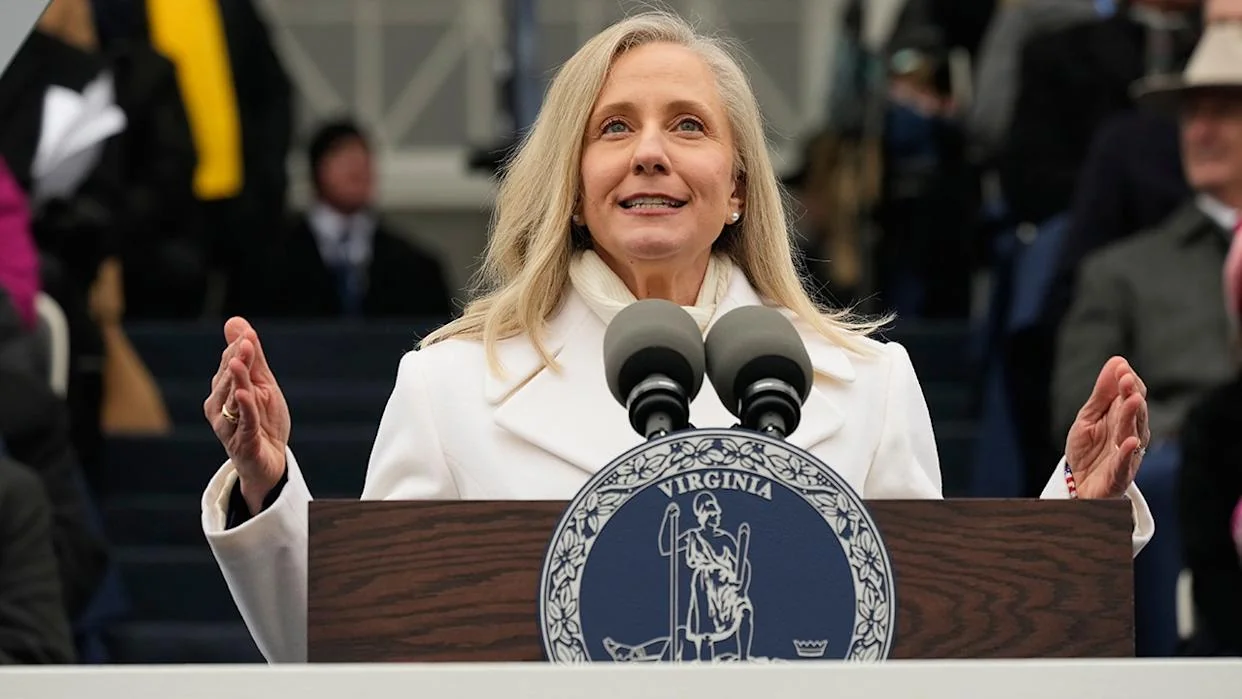 Virginia Gov. Abigail Spanberger has ended agreements between state law enforcement agencies and federal immigration authorities. (Getty Images)
Sector-Wide Implications for the Public Sector Labor Market
The bill’s impact extends beyond high-profile political appointees to the broader Public Sector Employment market in Virginia. By signaling that race and gender are primary metrics for executive branch participation, the Commonwealth may influence how local municipalities structure their own commissions.
Comparative Demographic Impact Estimates
| Group | VA Population Share (Approx.) | Current Board Representation Trend | Predicted Legislative Pressure |
|---|---|---|---|
| White (Non-Hispanic) | 58.6% | Historically Overrepresented | High Reduction Pressure |
| Black or African American | 19.9% | Growing | Moderate Increase Pressure |
| Hispanic or Latino | 10.5% | Underrepresented | Significant Increase Pressure |
| Asian | 7.1% | Variable | Neutral/Increase Pressure |
This data suggests a forced realignment of roughly 15-20% of board seats if the executive branch strictly adheres to parity with the U.S. Census Bureau data for Virginia.
Gubernatorial Deadlines and Potential Veto Risks
Governor Abigail Spanberger now faces a pivotal decision that will define her early executive legacy and her standing among moderate voters. A signature on SB 601 would solidify her base but could alienate independent voters who view identity-based mandates as a departure from traditional liberal values of colorblind equality.
A veto would likely be framed as a defense of constitutional "colorblindness," aligned with the recent judicial trend. However, allowing the bill to become law without her signature would signal a passive acceptance of the demographic mandate while attempting to sidestep the personal political fallout of a direct endorsement.
The enactment of SB 601 would set a precedent for other Democratic-led state legislatures, potentially triggering a wave of "Identity Mandate" laws across the Mid-Atlantic region. The inevitable legal challenge will likely center on whether "reflecting diversity" constitutes a compelling state interest sufficient to override individual protections against race-based exclusion in government service.
Comments (0)
Please login to comment
Sign in to share your thoughts and connect with the community
Loading...