
Robert Mueller Dies at 81: FBI Legacy and Legal Impact

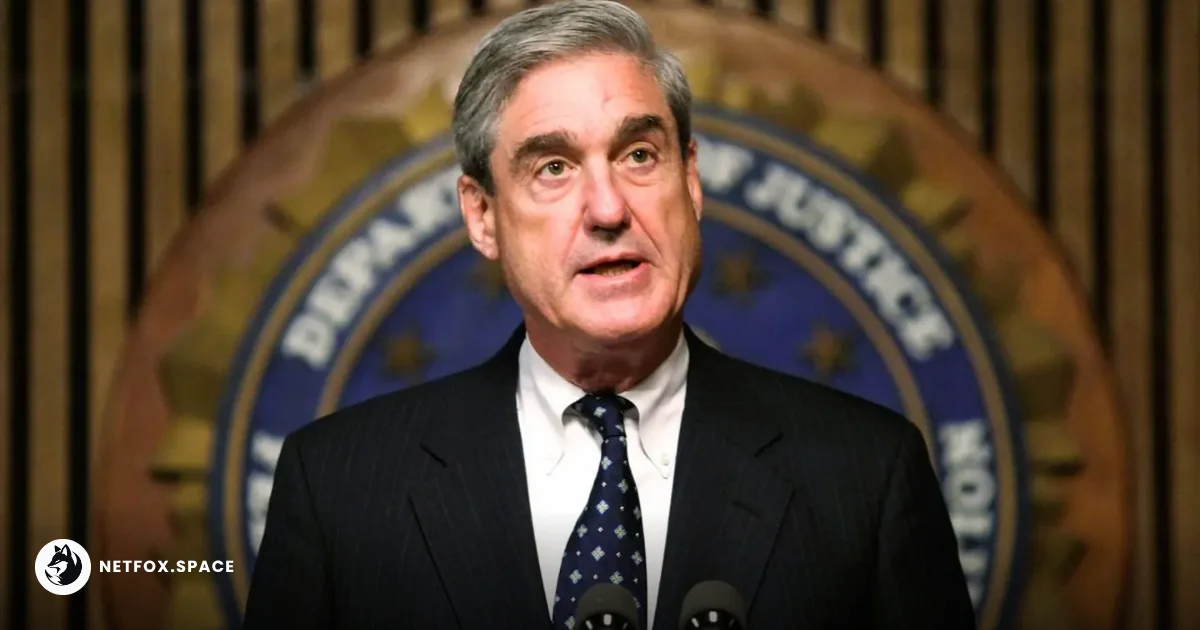
The Architecture of a Multi-Decade Federal Career
Robert Swan Mueller III, the former Director of the Federal Bureau of Investigation (FBI), has passed away at the age of 81. His career was defined by a rigid adherence to institutional norms, beginning as a decorated Marine Corps officer in the Vietnam War before transitioning to the U.S. Department of Justice.
Appointed by President George W. Bush, Mueller took office as FBI Director just one week before the September 11 attacks. This timing forced him to oversee the most significant structural shift in the bureau's history, pivoting the agency from a traditional domestic crime-fighting entity into a global counterterrorism powerhouse.
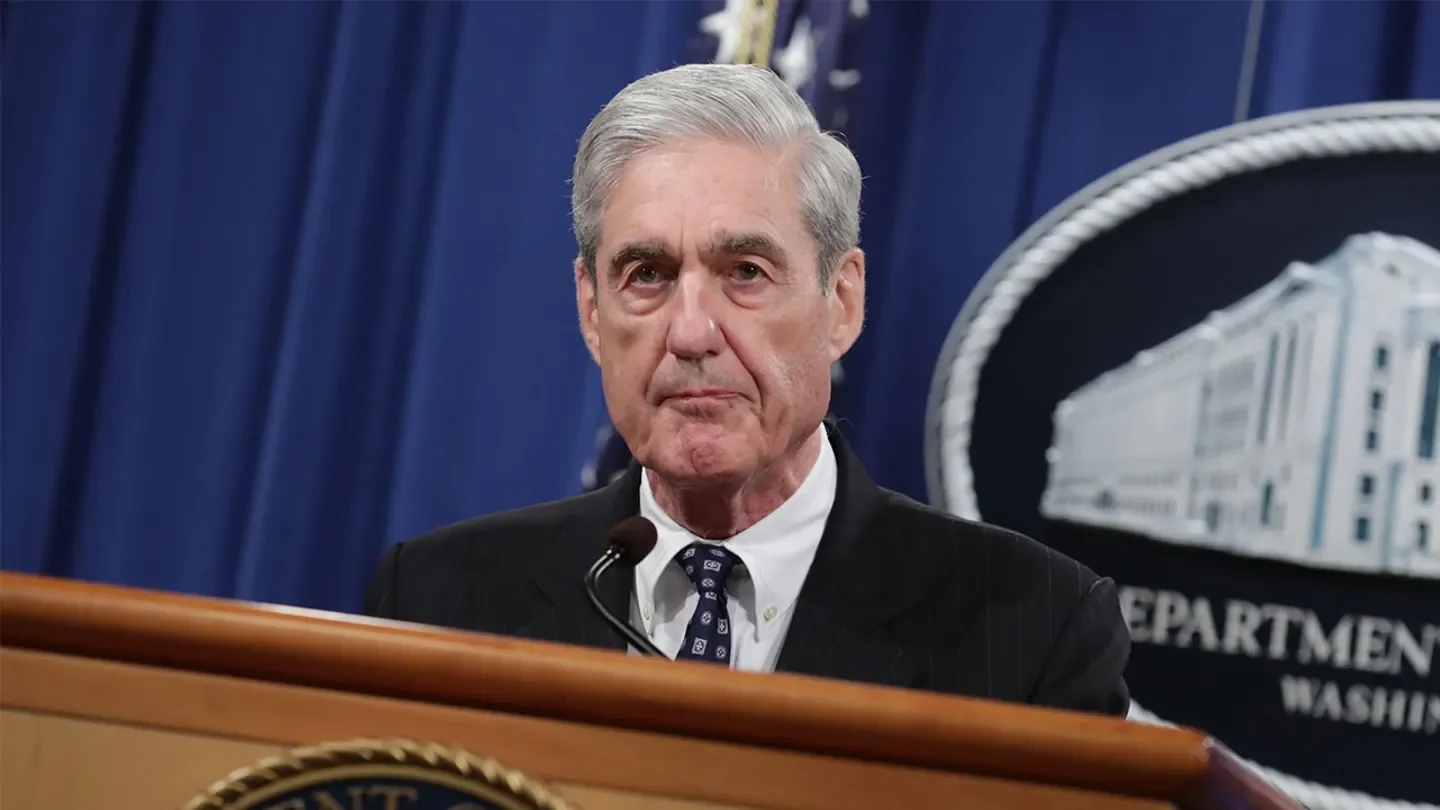 Former FBI Director Robert Mueller May 29, 2019 (Chip Somodevilla/Getty Images)
Immediate Political Reactions and Polarized Legacies
The announcement of Mueller’s death triggered immediate reactions across the political spectrum, highlighting the deep divisions that characterized his final years in the public eye. Former President Donald J. Trump, who was the primary subject of Mueller's most famous investigation, issued a statement reflecting their long-standing contentious relationship.
While institutionalists across Washington D.C. praised Mueller as a "Marine's Marine" and a paragon of bipartisan service, critics from the populist right renewed their scrutiny of the 2017 Special Counsel investigation. This dichotomy underscores how Mueller, despite his lifelong reputation for being "buttoned-up," became an unintentional lightning rod for American political volatility.
The Special Counsel Mechanism: A Structural Post-Mortem
While most mainstream coverage focuses on the "Russia Investigation" as a political event, the true information gain lies in how Mueller’s tenure reshaped the Special Counsel framework. Unlike the Independent Counsel era of the 1990s, Mueller operated under 28 CFR § 600.7, which granted the Attorney General ultimate oversight.
Mueller’s refusal to stray from the narrowest interpretation of these regulations created a blueprint and a controversy for how federal investigations into a sitting president must function. His "speaking through the report" strategy was a deliberate choice to preserve the integrity of the Department of Justice, yet it inadvertently created a vacuum that political actors filled with competing narratives.
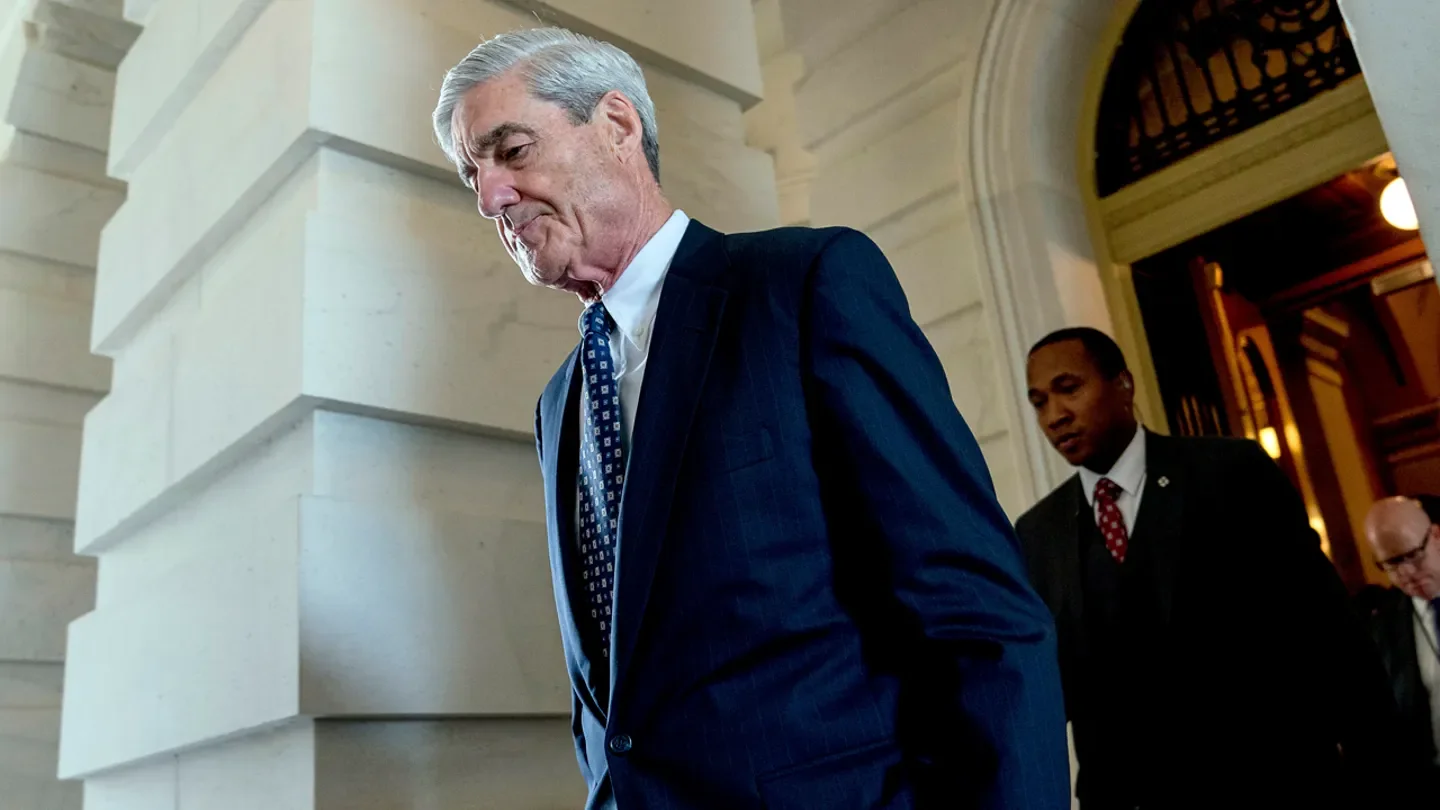 In this June 21, 2017, file photo, former FBI Director Robert Mueller, the special counsel probing Russian interference in the 2016 election, departs Capitol Hill after a closed-door meeting in Washington. (AP)
Comparative Evolution of High-Stakes Federal Probes
| Feature | Watergate (Special Prosecutor) | Starr Investigation (Ind. Counsel) | Mueller Investigation (Special Counsel) |
|---|---|---|---|
| Authority Source | Executive Order / Judiciary | Ethics in Government Act (1978) | DOJ Regulations (28 CFR 600) |
| Final Reporting | To Congress / Public | To Congress (The Starr Report) | To Attorney General (The Mueller Report) |
| Primary Scope | Burglary / Cover-up | Real Estate / Lewinsky | Foreign Interference / Obstruction |
| Resulting Indictments | 69 individuals | 15 individuals | 34 individuals (incl. 3 companies) |
Systemic Implications for the Department of Justice
Mueller’s passing forces a retrospective look at the "Institutionalist" school of thought within the National Security sector. He represented a generation of leadership that believed the process was more important than the outcome, a philosophy that is increasingly under fire in an era of executive expansion.
His management of the FBI for twelve years the longest tenure since J. Edgar Hoover solidified the Bureau’s independence but also exposed it to unprecedented levels of public skepticism. The procedural precedents set during his final investigation continue to dictate how current and future Special Counsels, such as those overseeing more recent classified document cases, navigate the intersection of law and high-level politics.
Emerging Legal and Institutional Uncertainties
The vacuum left by the passing of figures like Mueller highlights an escalating tension regarding the future of federal oversight. There is no clear consensus on whether the Special Counsel model, as utilized by Mueller, remains a viable tool for resolving national crises or if it merely exacerbates partisan entrenchment.
As the legal sector analyzes his evidentiary standards and his strict adherence to the "Office of Legal Counsel" (OLC) guidelines regarding the indictment of a sitting president, the debate remains: did Mueller save the institution by following the rules, or did he weaken it by failing to adapt to a changing political reality?
Comments (0)
Please login to comment
Sign in to share your thoughts and connect with the community
Loading...