
EU Naval Options for Strait of Hormuz: 2026 Crisis Analysis

The Chokepoint Crisis: EU Escalates Response to Hormuz Closure
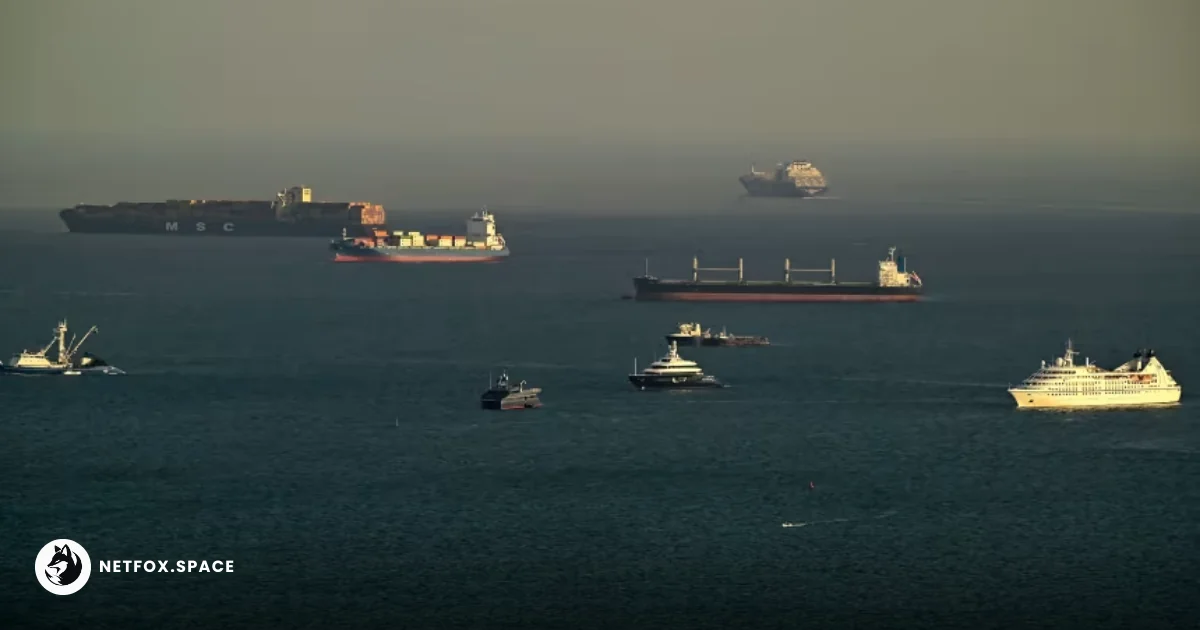
On March 15, 2026, European Union foreign ministers convened to finalize naval options for the Strait of Hormuz, which remains "effectively closed" following three weeks of the US-Israeli war with Iran. The European Commission, led by Foreign Policy Chief Kaja Kallas, is under intense pressure to secure energy routes after traffic through the world’s most critical oil artery plummeted by 80%.
The current discussions center on expanding the mandate of Operation ASPIDES, a defensive maritime mission originally launched in February 2024 to counter Houthi attacks in the Red Sea. Unlike the aggressive "twentyfold" retaliation threatened by the United States administration, the EU's proposed framework focuses on "defensive escorting" to restore insurance confidence for commercial tankers currently idling in the Gulf of Oman.
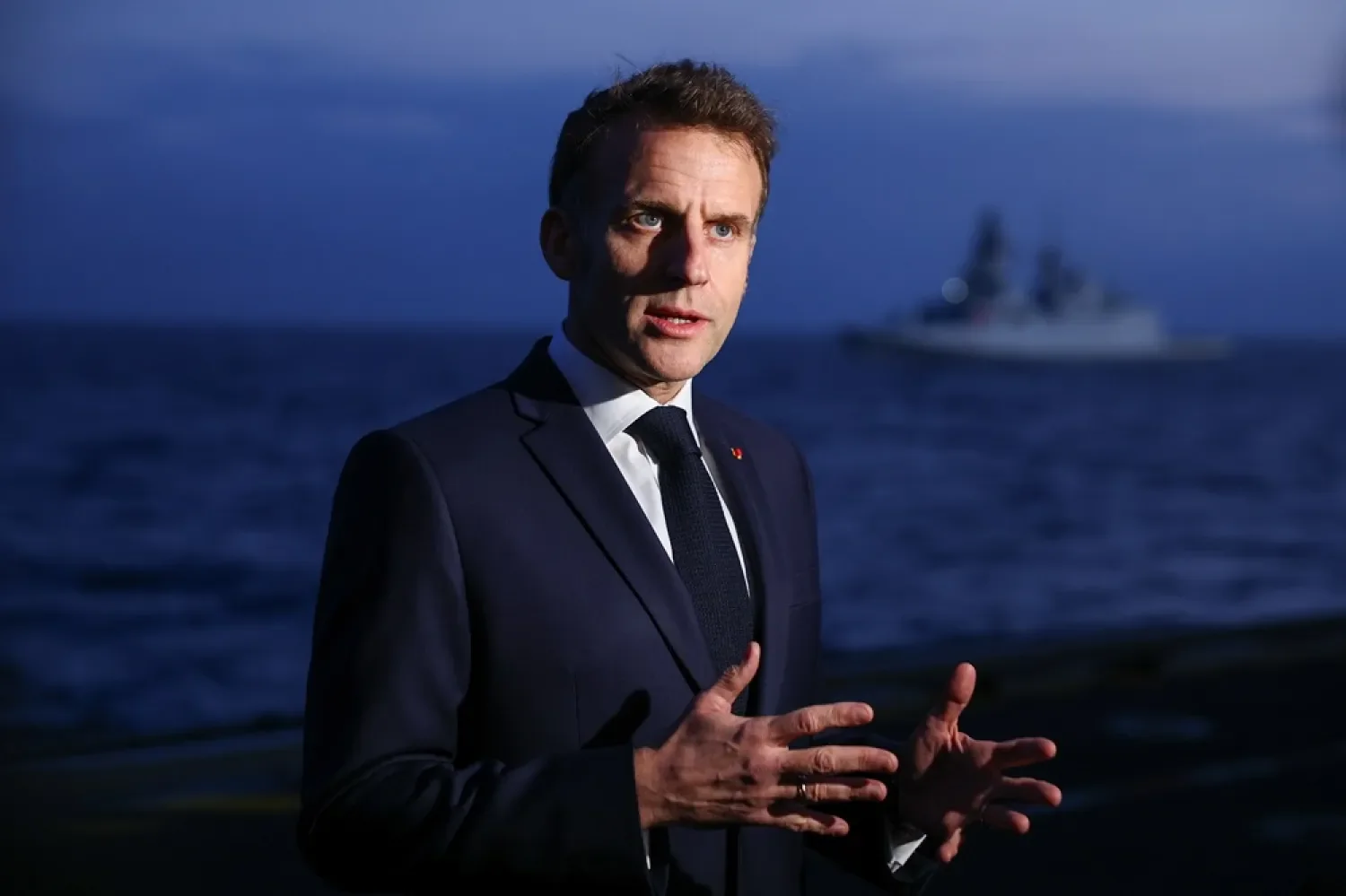 French President Emmanuel Macron speaks to members of the media as he visits the French aircraft carrier Charles de Gaulle, during his visit to Cyprus, Monday March 9, 2026. (Gonzalo Fuentes/Pool Photo via AP)
Macron’s "Prometheus" Doctrine: France Leads the Mediterranean-to-Gulf Corridor
French President Emmanuel Macron, speaking from the aircraft carrier Charles de Gaulle at a naval base in Cyprus, announced that France would lead a dedicated European defensive mission to reopen the strait. This initiative, reminiscent of the 1980s Operation Prometheus, seeks to deploy a dozen warships to provide a "safe bubble" for container ships and LNG carriers.
The Greek government, represented by Prime Minister Kyriakos Mitsotakis, has already committed four F-16 fighter jets and a frigate to support the mission. The maritime transport sector has welcomed the move, as global oil prices breached the $100 barrier last weekend, following QatarEnergy’s declaration of force majeure on all LNG shipments.
The Invisible Barrier: Why "Hard" Naval Escorts Could Backfire
The mandatory differentiation in this analysis lies in the electronic warfare (EW) and GPS jamming landscape that renders traditional naval escorts uniquely vulnerable in 2026. While ministers discuss hull-to-hull protection, they are ignoring the systemic "dark fleet" tactics currently employed by Iran's Islamic Revolutionary Guard Corps (IRGC).
Recent intelligence reports indicate that the Strait of Hormuz is not just physically mined, but is under a persistent "GNSS spoofing" blanket. This makes coordinated naval formations a liability; if an EU destroyer's navigation is offset by even a few hundred meters, it risks grounding or collision in the narrow 21-nautical-mile passage. Furthermore, the global insurance industry has warned that naval escorts may actually turn civilian tankers into "high-value targets," as Iran’s new Supreme Leader, Mojtaba Khamenei, has vowed to "burn any ship" protected by Western forces.
2026 Hormuz Crisis: A Three-Week Escalation Timeline
| Date (2026) | Event | Strategic Impact |
|---|---|---|
| Feb 28 | Joint US-Israeli strikes on Iranian military sites. | Initial market volatility; crude up 10%. |
| Mar 2 | IRGC officially confirms the Strait is "closed." | Maersk and MSC suspend all Gulf transits. |
| Mar 4 | US submarine sinks IRIS Dena off Sri Lanka. | Conflict expands into the Indian Ocean. |
| Mar 10 | Donald Trump demands immediate mine removal. | Reinsurance scheme ($20bn) fails to lure ships. |
| Mar 15 | EU ministers debate ASPIDES expansion. | Oil holds above $100; focus shifts to naval escorts. |
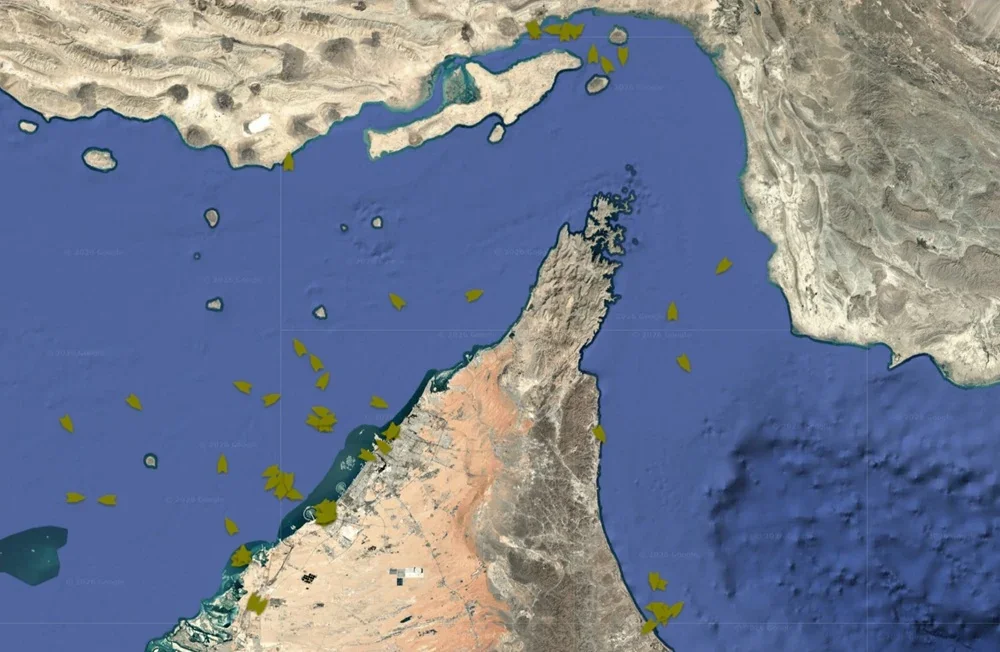 On AIS, container ships (brown) gathered in port or at anchorages in the Arabian Gulf early March 2; none were broadcasting in the Strait of Hormuz (Courtesy Pole Star Global)
Systemic Implications for Global Energy Sovereignty
The blockade represents the most severe disruption to the global energy sector in modern history, as it marks the first time both the Red Sea and the Strait of Hormuz are simultaneously compromised. This "dual blockade" has forced the logistics industry to rely almost exclusively on the Cape of Good Hope route, adding 14 days to transit times and straining global container availability.
For the European Union, the crisis has re-ignited the debate over Article 42.7—the mutual assistance clause. Since Cyprus was targeted by Iranian drone attacks last week, the bloc is facing a structural shift: the realization that its "defensive" naval missions can no longer be decoupled from the broader regional war. The central banking system in Europe is now bracing for a "second-wave inflation" event if the strait remains blocked into the second quarter of 2026.
The immediate concern for the EU is whether a naval presence can actually deter Iran’s coast-launched "micro-drone" swarms, which have proven highly effective at bypassing traditional destroyer defenses.
Comments (0)
Please login to comment
Sign in to share your thoughts and connect with the community
Loading...