

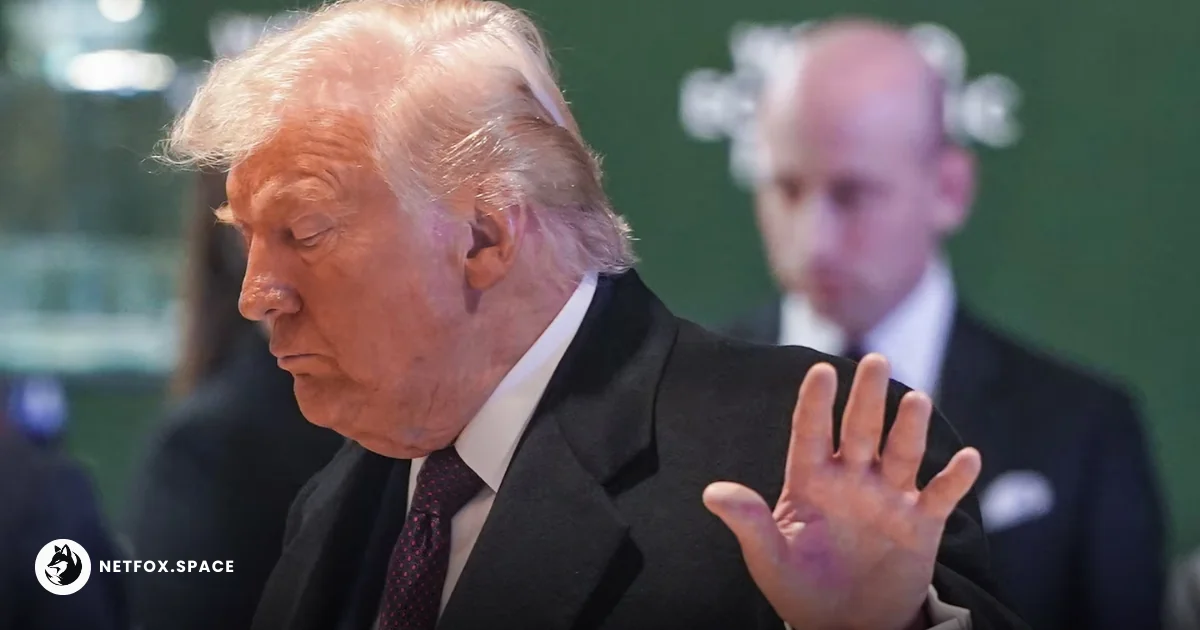
Alliance Fragmentation Over Unilateral Ukraine Diplomacy
The North Atlantic Treaty Organization (NATO) faces a significant internal crisis following a coordinated refusal by several high-ranking European leaders to join a high-stakes conference call initiated by President Donald Trump. The call, intended to outline a rapid "peace plan" for the war in Ukraine, was reportedly sidelined by heads of state from France, Germany, and the United Kingdom.
The snub marks a stark departure from traditional Transatlantic protocols where the United States White House dictates the pace of security negotiations. European diplomats indicate that the refusal was not merely logistical but a calculated political statement against "dictated peace" terms that exclude the European Union (EU) and the Ukrainian Government from the primary decision-making process.
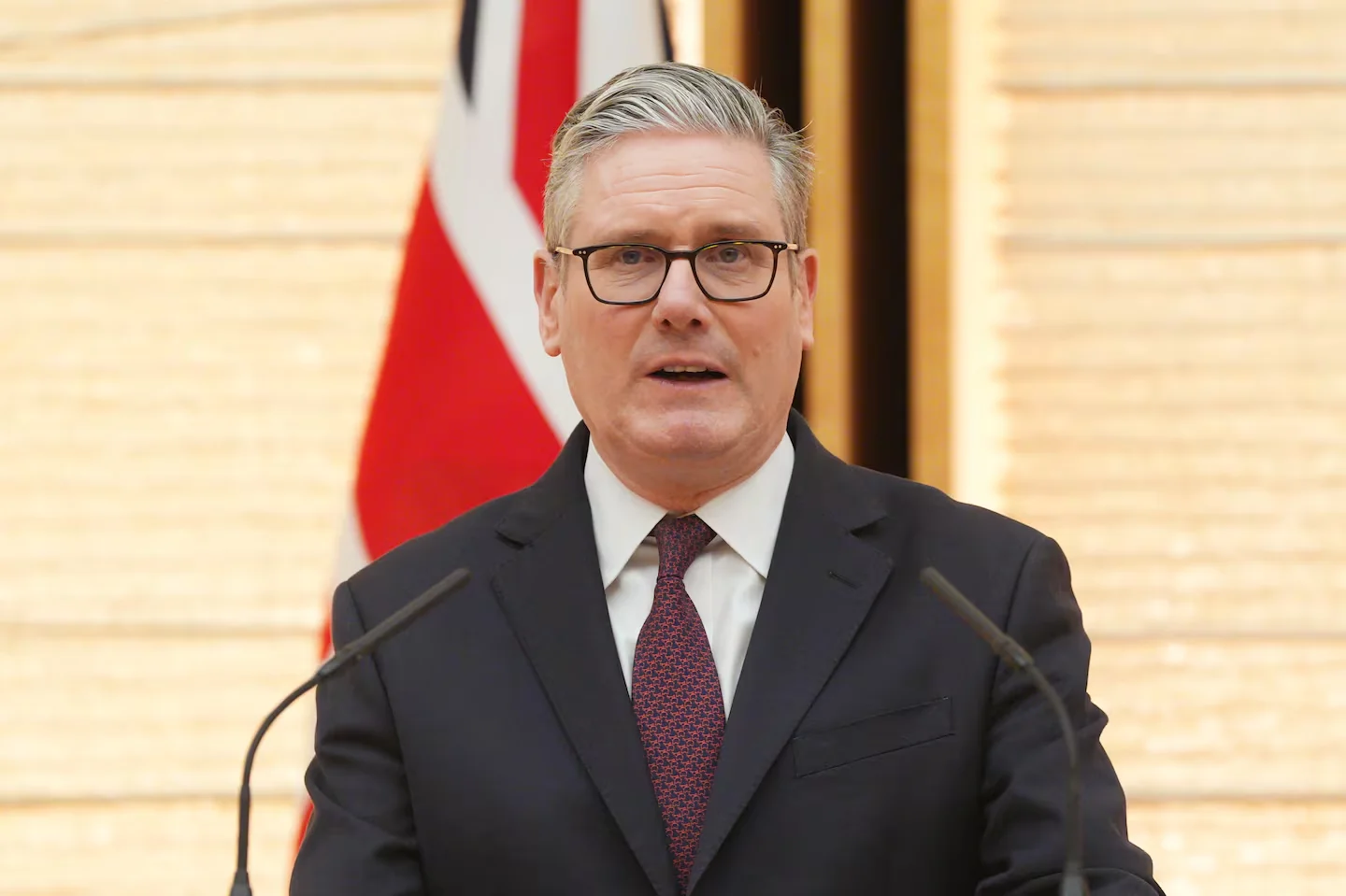
Immediate Volatility in Transatlantic Security Coordination
The refusal to engage has sent immediate ripples through the global defense sector, specifically impacting the North Atlantic Council. Sources suggest that the "snub" has emboldened mid-tier European powers, such as Poland and the Baltic states, to solidify a "European-only" defense framework.
This diplomatic friction occurs as the U.S. Department of State undergoes a rapid transition in its approach toward foreign military financing. The immediate reaction in Brussels and London has been one of "strategic silence," a maneuver designed to prevent the normalization of unilateral U.S. executive orders regarding sovereign European security borders.
The "Post-American" Security Calculus in Brussels
While mainstream reporting focuses on the personal friction between President Donald Trump and European leaders, the deeper information gain lies in the structural decoupling of security interests. For the first time since 1945, European powers are actively weighing the "risk of alignment" against the "risk of abandonment."
By snubbing the call, the "E3" (France, Germany, and the UK) are signaling that they no longer view the U.S. presidency as the sole arbiter of the Helsinki Accords’ principles. This is a technical shift from "burden sharing" where Europe pays more for U.S. protection to "strategic sovereignty," where Europe asserts the right to veto U.S. diplomatic initiatives on the continent. This mechanism serves to insulate the European External Action Service from sudden shifts in American domestic populism.
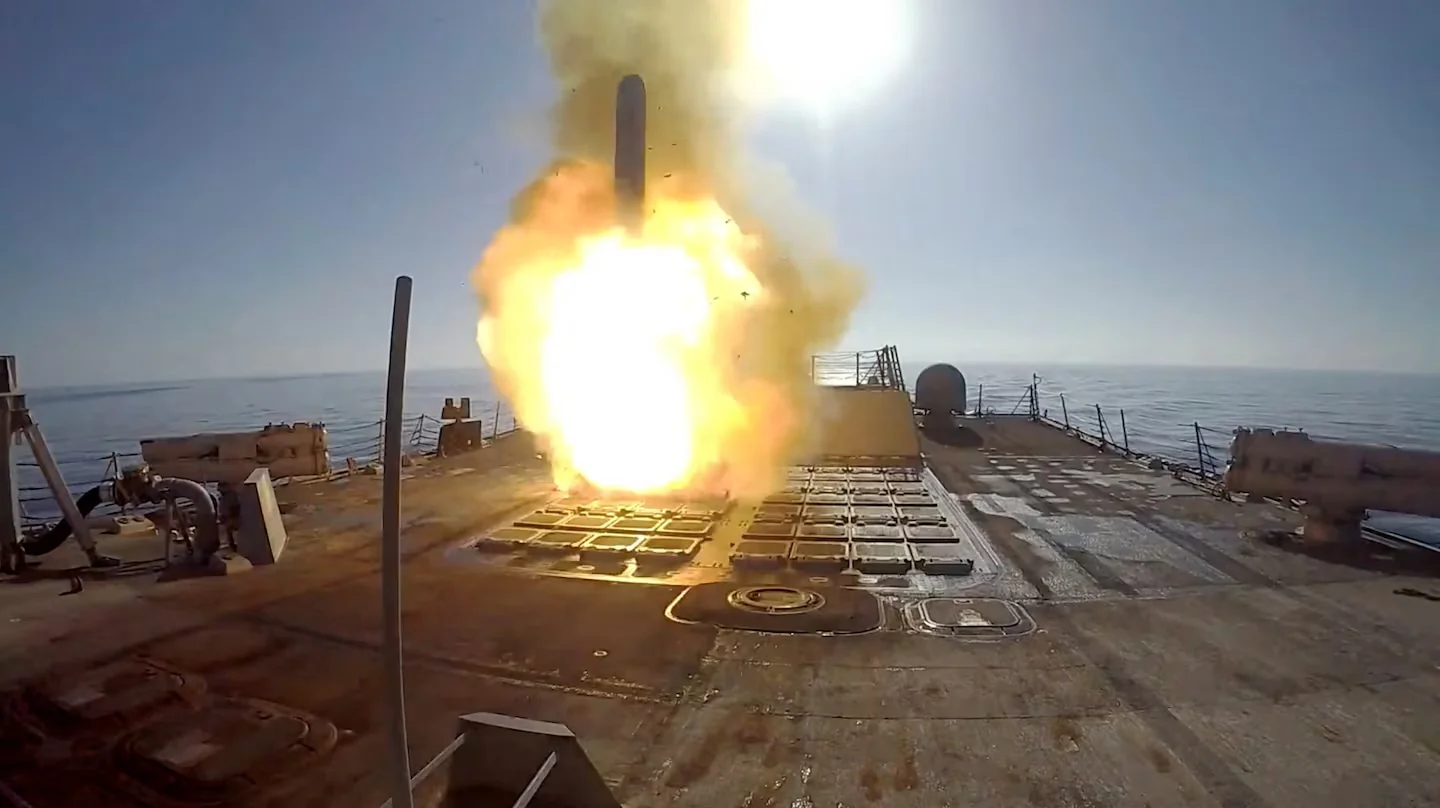
Comparison of Proposed Peace Frameworks
| Feature | Trump Administration Proposal | European Union / NATO Majority Position |
|---|---|---|
| Territorial Integrity | Focus on "frozen conflict" / status quo | Restoration of 1991 borders |
| NATO Membership | Potential 20-year moratorium | "Irreversible path" to accession |
| Funding Source | European-led reconstruction | Joint U.S.-European aid packages |
| Security Guarantees | Bilateral agreements | Multilateral Article 5 protection |
Systemic Implications for the Global Defense Industry
The rift is likely to accelerate a pivot in the aerospace and defense sector, as European nations prioritize domestic procurement through firms like Rheinmetall and BAE Systems over American-made platforms. If the U.S. Government pursues a unilateral withdrawal from Ukraine coordination, the legal and financial mechanisms governing the Ukraine Defense Contact Group (the Ramstein format) may fracture.
This shift threatens the interoperability standards that have defined Western military hegemony for decades. A Europe that refuses to answer the phone is a Europe that is preparing to build its own independent command structure, potentially bypassing the Supreme Allied Commander Europe (SACEUR), a role traditionally held by a U.S. general.
Escalation of the Strategic "Wait-and-See" Policy
The current diplomatic standoff suggests a looming period of high-frequency friction regarding the European Peace Facility and the use of frozen Russian assets. As the Trump Administration attempts to leverage military aid as a bargaining chip for immediate negotiations, European capitals are likely to counter with long-term regulatory barriers to U.S. energy and tech influence.
The tension now moves toward the upcoming NATO summit, where the ability of the U.S. to lead by consensus will be tested against a newly assertive European bloc that views American "deal-making" as a direct threat to the stability of the Schengen Area.
Comments (0)
Please login to comment
Sign in to share your thoughts and connect with the community
Loading...