

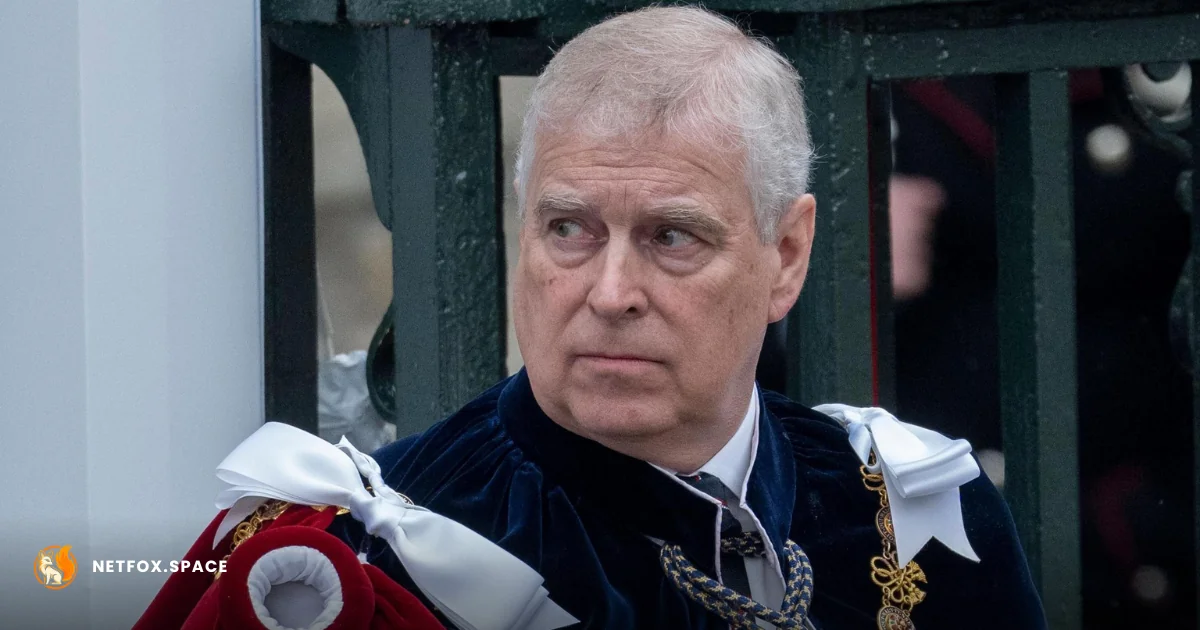
Crown Defers to Parliament on Constitutional Removal
Buckingham Palace has indicated it will not stand in the way of legislative moves to remove Andrew Mountbatten-Windsor from the British line of succession. A senior royal source confirmed on February 21, 2026, that King Charles III considers the matter to be "purely for Parliament," signaling a historic break in the traditional protections afforded to members of the Royal Family.
The move follows the unprecedented arrest of the former Prince Andrew on February 19, 2026, on suspicion of misconduct in public office. Currently eighth in line to the throne, his presence in the succession has become a significant political liability for the monarchy as investigators probe his past ties to Jeffrey Epstein.
Legislative Path to Altering the Succession
Removing an individual from the line of succession requires a specific Act of Parliament. The last time such a measure was enacted was the His Majesty's Declaration of Abdication Act 1936, which removed Edward VIII and any future descendants following his marriage to Wallis Simpson.
Government ministers, including Defence Minister Luke Pollard, have confirmed that cross-party talks are underway to draft the necessary legislation. However, officials noted that any formal bill would likely be introduced only after the current police investigation by Thames Valley Police reaches a conclusion to ensure due process.
| Step in Removal | Requirement | Current Status |
|---|---|---|
| Police Investigation | Evidence of criminal misconduct | Ongoing; released under investigation |
| Parliamentary Bill | Support from MPs and Peers | Cross-party support indicated |
| Commonwealth Consent | Agreement from 14 other realms | Consultations expected to follow |
| Royal Assent | Approval by King Charles III | Palace indicates no opposition |
The Role of the Commonwealth Realms
A significant hurdle in altering the succession is the requirement for "unanimous consent" from the 14 other Commonwealth realms where the King is head of state, including Canada, Australia, and Jamaica. Under the Statute of Westminster 1931, changes to the succession must be mirrored in the laws of each sovereign realm to maintain a unified crown.
Legal experts suggest that while this process is diplomatically complex, the global nature of the Epstein allegations makes it likely that other nations will support the exclusion. In Australia, Prime Minister Anthony Albanese has previously noted that the monarchy must reflect modern standards of accountability.
Historic Search of the Royal Lodge Continues
As the constitutional debate intensifies, forensic teams have entered their second day of searches at the Royal Lodge in Windsor. More than 20 police vehicles were sighted at the 30-room property as investigators look for evidence related to the sharing of "commercially sensitive" trade data during Andrew's tenure as a UK trade envoy.
The move follows the unsealing of millions of documents by the U.S. Department of Justice, which allegedly include email exchanges between the former prince and Jeffrey Epstein. These documents are the primary catalyst for the "misconduct in public office" charge, an offense that carries a maximum penalty of life imprisonment under English common law.
The willingness of the Palace to permit the removal of a family member from the line of succession suggests a strategic "pruning" of the monarchy to ensure its survival. By allowing Parliament to take the lead, King Charles III effectively insulates the institution from the personal failings of his brother, transforming a private family crisis into a public legal matter. The final decision rests not in a royal decree, but in the votes of the people's representatives.
References:
Comments (0)
Please login to comment
Sign in to share your thoughts and connect with the community
Loading...