
Vineyard Wind 1 Completion: First Major Farm Under Trump

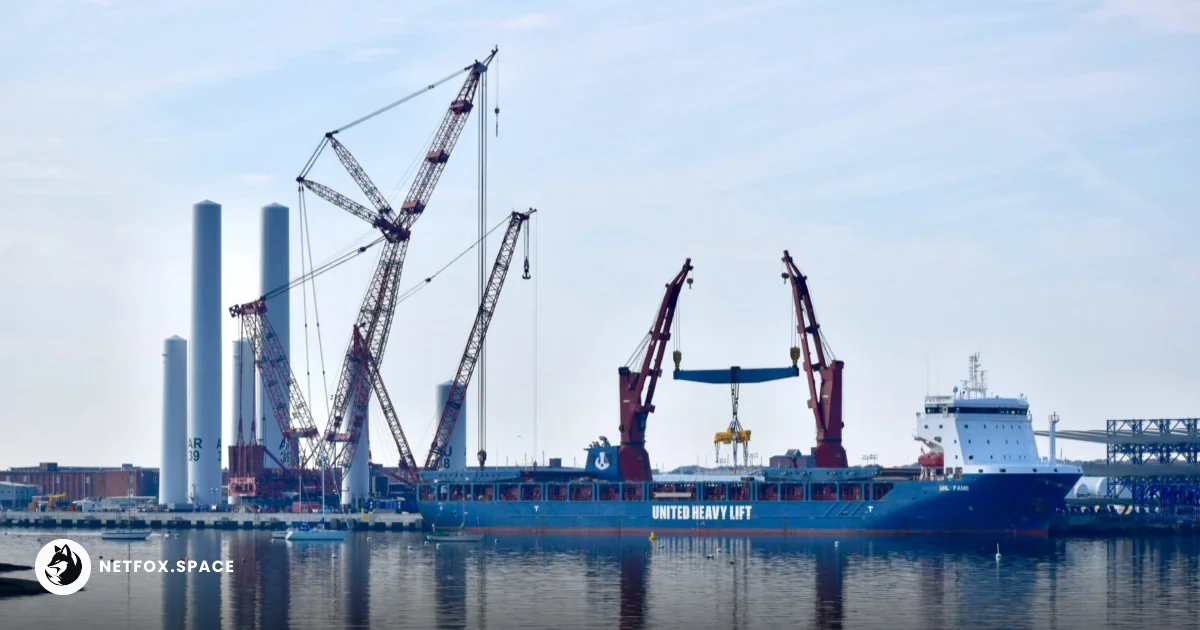
The Final Blade: Vineyard Wind 1 Reaches Completion
On Friday evening, March 13, 2026, workers installed the final blades on the 62nd turbine of Vineyard Wind 1, marking the conclusion of the first large-scale offshore wind construction program in the United States. Located 15 miles south of Martha’s Vineyard, the $2.8 billion project is a joint venture between Avangrid and Copenhagen Infrastructure Partners (CIP).
The farm is now entering its final commissioning phase, already delivering power to the New England grid from its GE Vernova Haliade-X turbines. Once fully operational in the coming weeks, the 800-megawatt facility will generate enough clean electricity to power approximately 400,000 homes in Massachusetts, with the energy making landfall via buried cables in Barnstable.
The Administrative Collision: National Security vs. Renewables
The completion of the project follows a period of extreme regulatory volatility. In late December 2025, the U.S. Department of the Interior (DOI) and the Bureau of Ocean Energy Management (BOEM) issued a blanket "stop-work order" on all offshore wind projects under construction. The administration cited "classified national security risks," alleging that the massive turbine blades and reflective towers created radar interference or "clutter" that could obscure legitimate targets.
At the time of the order, Vineyard Wind 1 was 95% complete. The developers filed an immediate legal challenge, arguing the freeze was "arbitrary and capricious." In late January 2026, a federal judge in the U.S. District Court for the District of Massachusetts granted a preliminary injunction, allowing the project to resume activities. The court noted that the government had failed to prove that the national security risks were so imminent that they outweighed the irreparable financial harm of halting a nearly finished project.
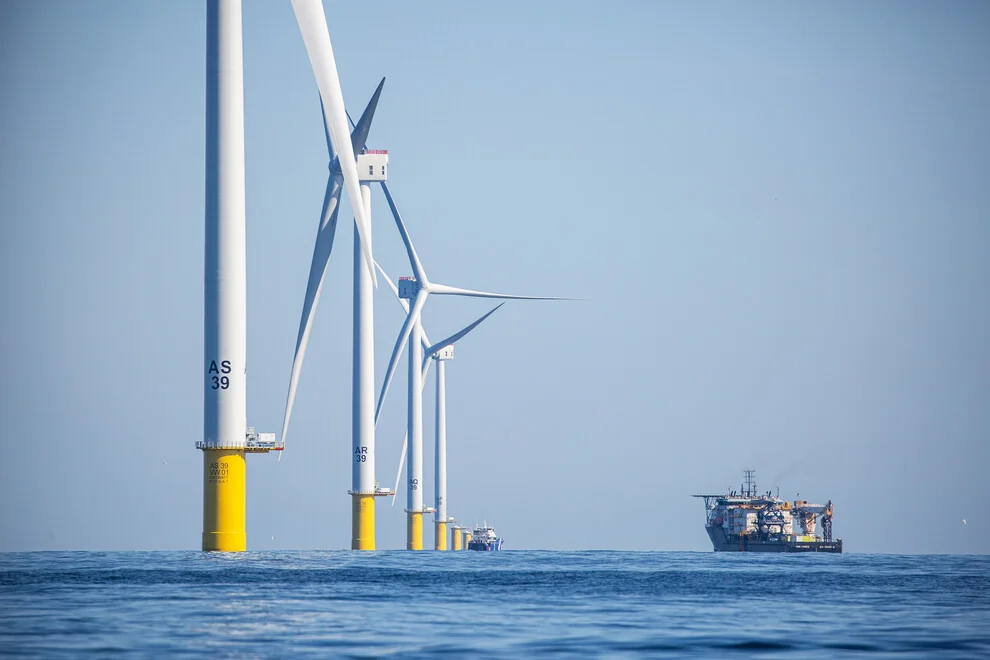 The Vineyard Wind farm in September 2024. Photo by Dan LeMaitre
The "Loophole" Victory: Why Vineyard Wind Succeeded Where Others Stalled
What remains undiscussed in broader coverage is the specific legal mechanism—the "Vested Interest" Doctrine—that allowed Vineyard Wind 1 to bypass the administration's ten-year permitting moratorium. While the White House has effectively halted all new federal approvals for the offshore wind sector, projects that had already reached "significant construction milestones" prior to the January 2025 executive memorandum have successfully sought judicial relief.
| Project Status (March 2026) | Capacity | Federal Status | Legal Standing |
|---|---|---|---|
| Vineyard Wind 1 | 800 MW | Completed | Construction Resumed via Injunction |
| Revolution Wind | 704 MW | 90% Complete | Injunction Granted; Transmitting Power |
| Coastal Virginia (CVOW) | 2.6 GW | Under Construction | Injunction Granted; Ongoing |
| Sunrise Wind | 924 MW | Suspended | Pending Litigation |
| Empire Wind 1 | 810 MW | Under Construction | Injunction Granted; Ongoing |
By securing the Sea Installer—a specialized jack-up vessel—under a contract that was set to expire on March 31, 2026, Vineyard Wind lawyers argued that a delay of even a few weeks would trigger a full default and accelerated loan repayment. This financial "ticking clock" provided the necessary legal leverage to force the resumption of work.
Economic and Systemic Footprints in New England
The completion of the project is a pivotal moment for the New Bedford maritime economy. The city’s Marine Commerce Terminal served as the primary staging area, proving that older industrial ports can be successfully retooled for the renewable energy sector. Massachusetts Attorney General Andrea Joy Campbell highlighted that the project is expected to save state ratepayers $1.4 billion over 20 years.
However, the broader implication is one of isolated success. Vineyard Wind 1 may be the only major Massachusetts offshore wind project to become fully operational this decade. The administration's current stance on leasing suggests that the "pipeline" for future developments has been severed, potentially leaving the New England grid vulnerable as older fossil fuel plants retire without immediate offshore replacements.
What Happens Next: The Appellate Battle
While the physical construction of Vineyard Wind 1 is finished, the legal war is not. The U.S. Department of Justice has already filed a notice of appeal to the Court of Appeals for the First Circuit, seeking to overturn the district court's injunctions.
If the government wins the appeal, it could theoretically order the "suspension of operations" for the completed farm, leading to a unprecedented standoff between federal national security mandates and state-level energy reliability. For now, the focus shifts to Revolution Wind, which just began sending its first electrons to the grid, as the industry braces for a multi-year period of litigation rather than innovation.
References:
Comments (0)
Please login to comment
Sign in to share your thoughts and connect with the community
Loading...