

Escalation Logistics: The March 11 Cluster Strike Offensive
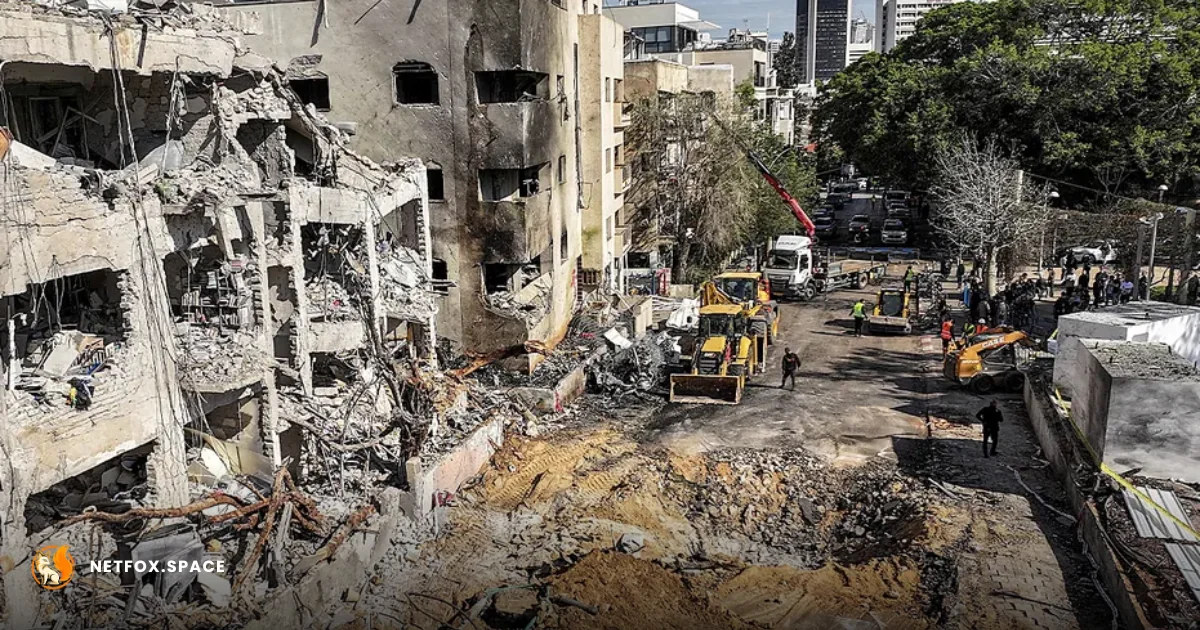
On March 11, 2026, the Islamic Republic of Iran and its Lebanese proxy, Hezbollah, executed a highly coordinated barrage involving approximately 300 ballistic missiles and drones, a significant portion of which were equipped with cluster bomb warheads. This escalation, occurring during the second week of "Operation Epic Fury," targeted major Israeli population centers including Rishon Lezion, Bat Yam, and Beit Shemesh.
The Israel Defense Forces (IDF) reported that nearly half of the Iranian projectiles utilized submunitions designed to saturate a 10-kilometer radius. While the Arrow and David’s Sling defense systems intercepted a majority of the incoming threats, several "Fateh-110" missiles impacted civilian areas. In Rishon Lezion, submunitions damaged a children's playground, while an explosion near Jerusalem underscored the increased range and lethality of the current Iranian offensive.
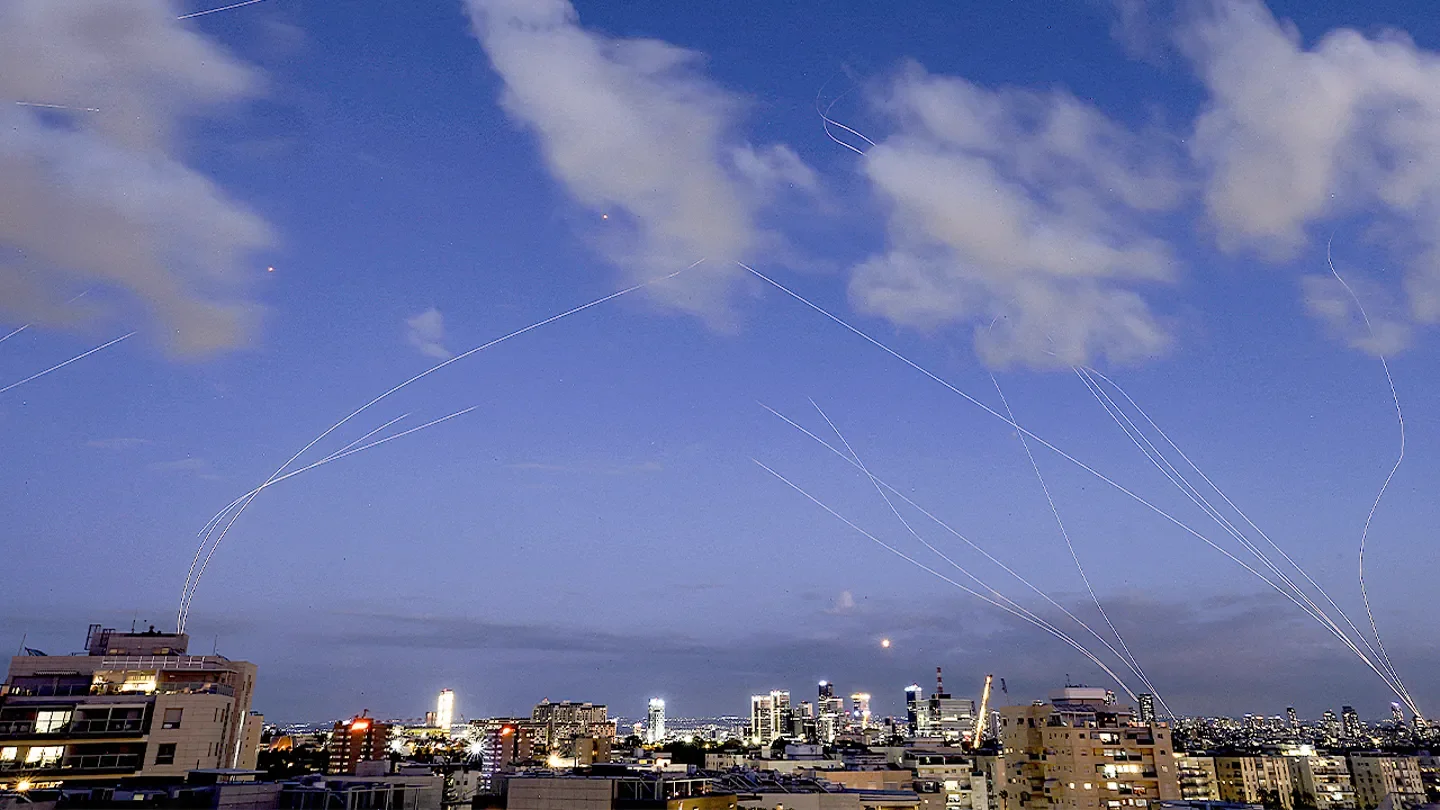 Explosions from projectile interceptions by Israel's Iron Dome missile defence system over Tel Aviv. (JACK GUEZ / AFP via Getty Images)
Immediate Tactical Impact and IDF Retaliation
The transition to cluster munitions marks a pivot from precision targeting of military infrastructure to broad-area denial strategies. The Israeli Ministry of Health confirmed that current strikes have resulted in at least 13 fatalities and over 2,000 injuries since the conflict's expansion. In response, the Israeli Air Force (IAF) launched 26 waves of strikes against Hezbollah command centers in the southern suburbs of Beirut and the Beqaa Valley.
The IDF specifically targeted the Al-Qard Al-Hassan Association, a financial institution used by Hezbollah to fund weapon procurement. Furthermore, Israeli special operations reported the elimination of Hassan Salameh, commander of the "Nassar" unit, in a precision strike in Jwaya. This "tit-for-tat" escalation has now displaced over 700,000 Lebanese civilians as the IDF expands its "Roaring Lion" ground incursions south of the Litani River.
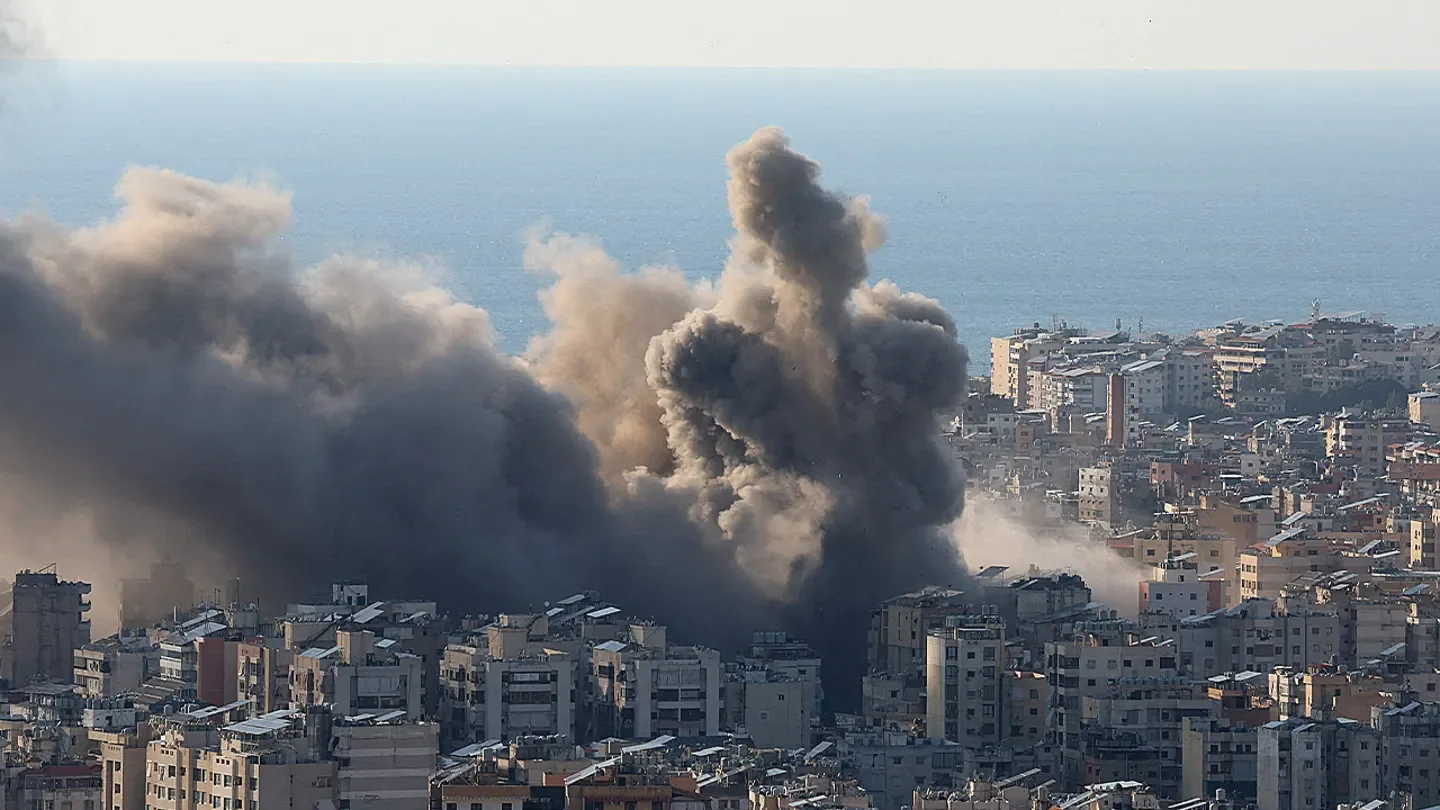 Smoke and dust rise after an Israeli strike on Beirut's southern suburbs, following an escalation between Hezbollah and Israel amid the U.S.-Israeli conflict with Iran, Lebanon. (Mohamed Azakir/Reuters)
The Submunition Pivot: A Strategy of Defensive Saturation
What many analysts are overlooking is the technical intent behind the sudden deployment of cluster warheads. Rather than aiming for a "knockout blow" against hardened Israeli military sites, Tehran is utilizing submunitions to overwhelm the Iron Dome’s interceptor capacity. By forcing a single interceptor to contend with a warhead that splits into dozens of sub-units mid-air, Iran aims to deplete Israel's defensive stockpiles and create "windows of vulnerability" for subsequent precision strikes.
This shift also signals a "scorched earth" psychological tactic. Cluster munitions, which leave behind unexploded duds, effectively turn civilian neighborhoods into active minefields long after the initial sirens stop. For Hezbollah, the use of these weapons illegal under the 2008 Convention on Cluster Munitions (though not signed by Israel, Iran, or the U.S.) serves as a desperate attempt to maintain relevance following the assassination of Ali Khamenei and the subsequent leadership vacuum in Tehran.
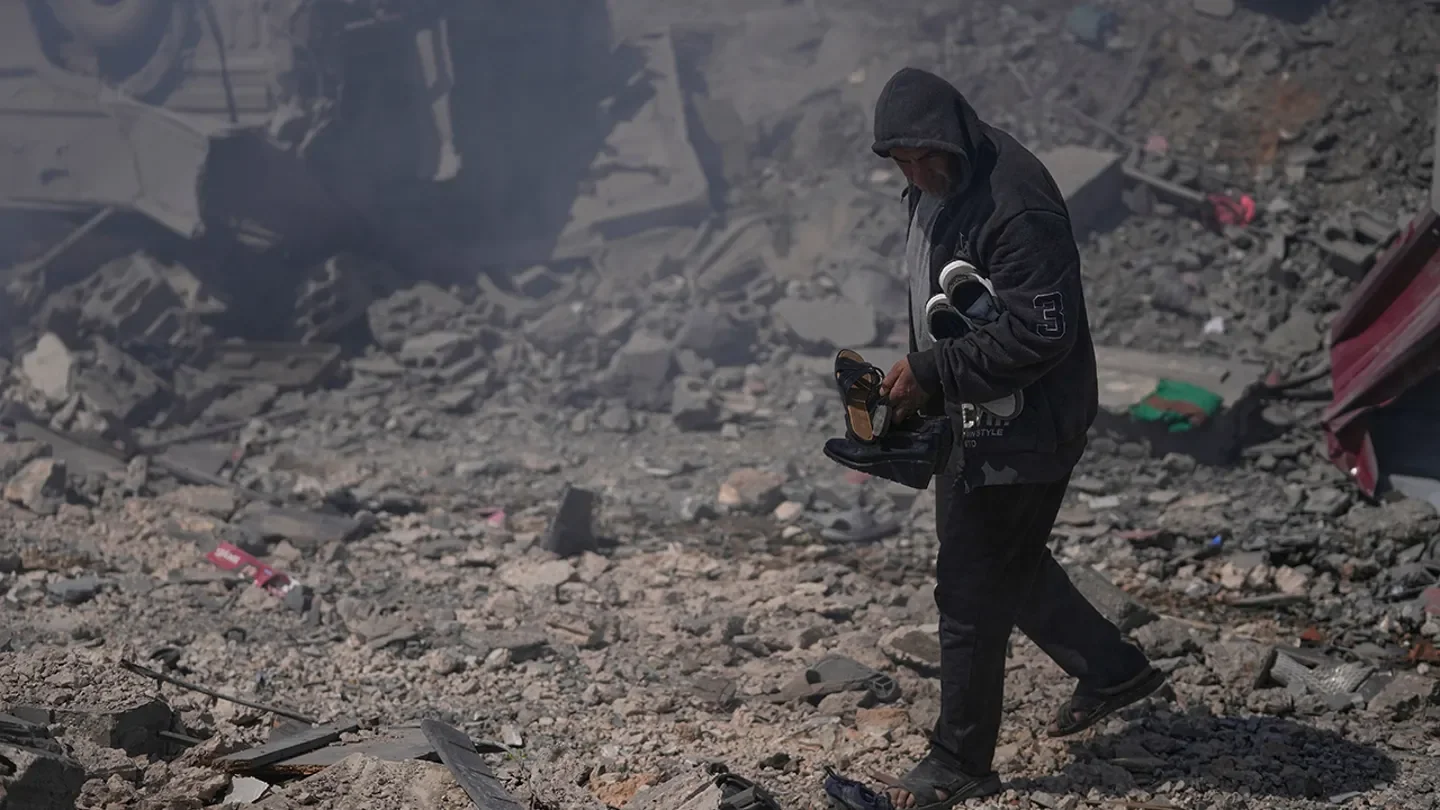 A man carries shoes from his destroyed house that was hit by Israeli airstrikes hit several houses in Sir al-Gharbiyeh village south Lebanon, Sunday, March, 8, 2026. (Mohammed Zaatari/AP Photo)
Systemic Implications for the Semiconductor and Energy Sectors
The geographical expansion of the conflict into Syria and the Golan Heights has placed critical regional infrastructure at risk. The Strait of Hormuz remains effectively closed, causing global oil prices to surge as insurance premiums for tankers reach prohibitive levels. In the technology sector, the proximity of strikes to northern Israeli tech hubs threatens the global semiconductor industry supply chain, as R&D facilities face persistent operational disruptions.
| Metric | Estimated Impact (March 2026) |
|---|---|
| Total Iranian Projectiles Launched | 300+ (Single Wave) |
| Cluster Warhead Ratio | ~50% of Ballistic Inventory |
| Lebanese Internal Displacement | 700,000+ Individuals |
| Global Oil Price Shift | 18% Increase (since Feb 28) |
| IDF Interception Rate | 82-88% (Variable by region) |
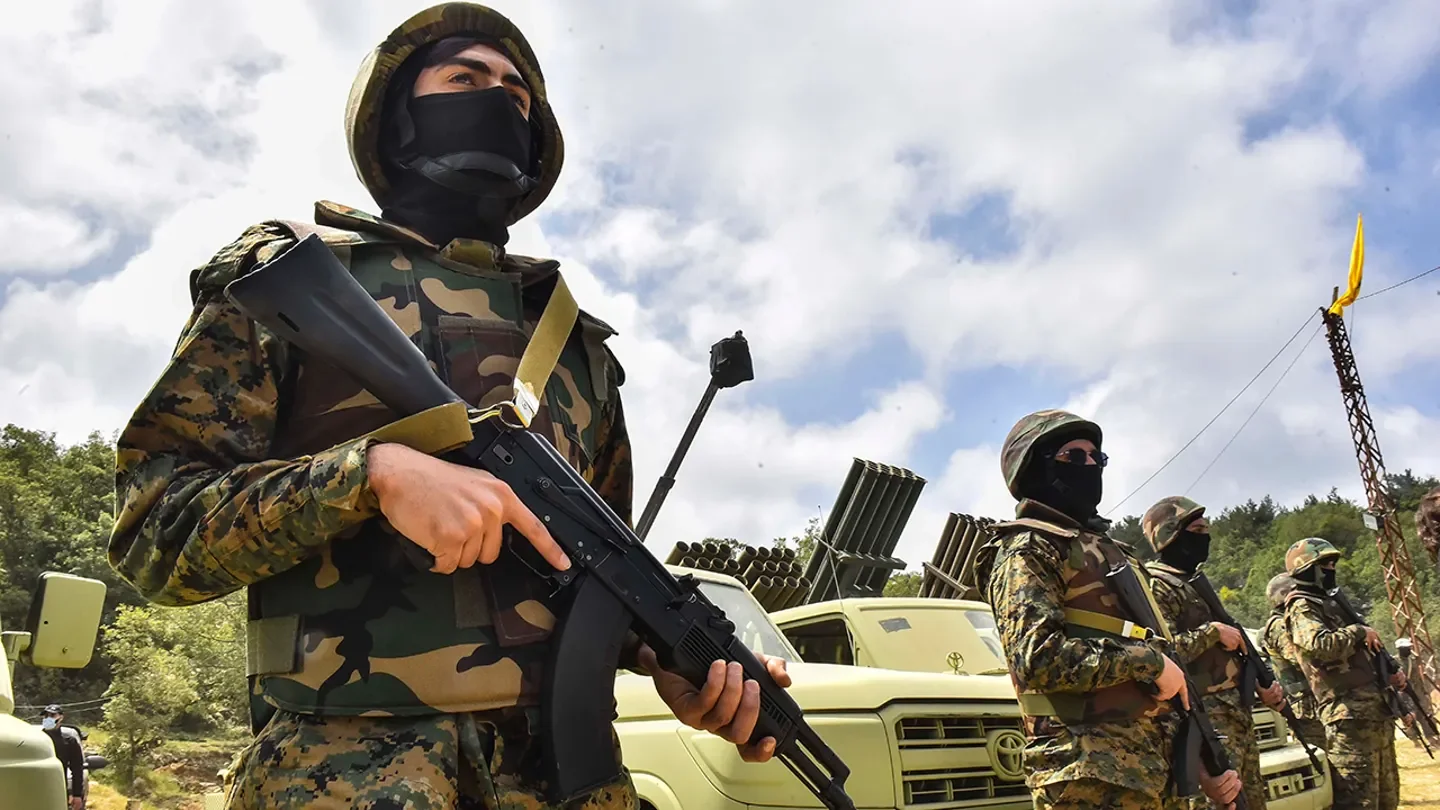 Hezbollah terrorists are taking part in cross-border raids, part of a large-scale military exercise, in Aaramta, bordering Israel, on May 21, 2023 ahead of the anniversary of Israel's withdrawal from southern Lebanon in 2000. (Fadel Itani/NurPhoto via Getty Images)
The Trump Doctrine and the Risk of "Total War"
The Trump Administration has maintained a stance of "Maximum Pressure 2.0," with Secretary of State Marco Rubio asserting that the mission will continue until the Islamic Revolutionary Guard Corps (IRGC) is functionally dismantled. However, the current escalation suggests that the "regime change" objective remains elusive. While internal links suggest Trump warns Iran's successor of limited longevity, the naming of Mojtaba Khamenei as a potential successor indicates a hardening of the clerical establishment rather than a collapse.
The administration’s refusal to accept a Pezeshkian apology or surrender demand has removed diplomatic off-ramps, pushing the region toward a structural "Total War" scenario. As Hezbollah loses domestic support in Lebanon with the Nawaf Salam government now declaring the group's military wing illegal the organization may opt for even more indiscriminate tactics to preserve its survival.
The persistence of cluster strikes on Israeli soil creates a direct path for U.S. retaliation against Iranian soil, potentially drawing the United States into a prolonged ground engagement that the Pentagon's own intelligence reviews suggest may not result in a stable democratic transition in Tehran.
Comments (0)
Please login to comment
Sign in to share your thoughts and connect with the community
Loading...