

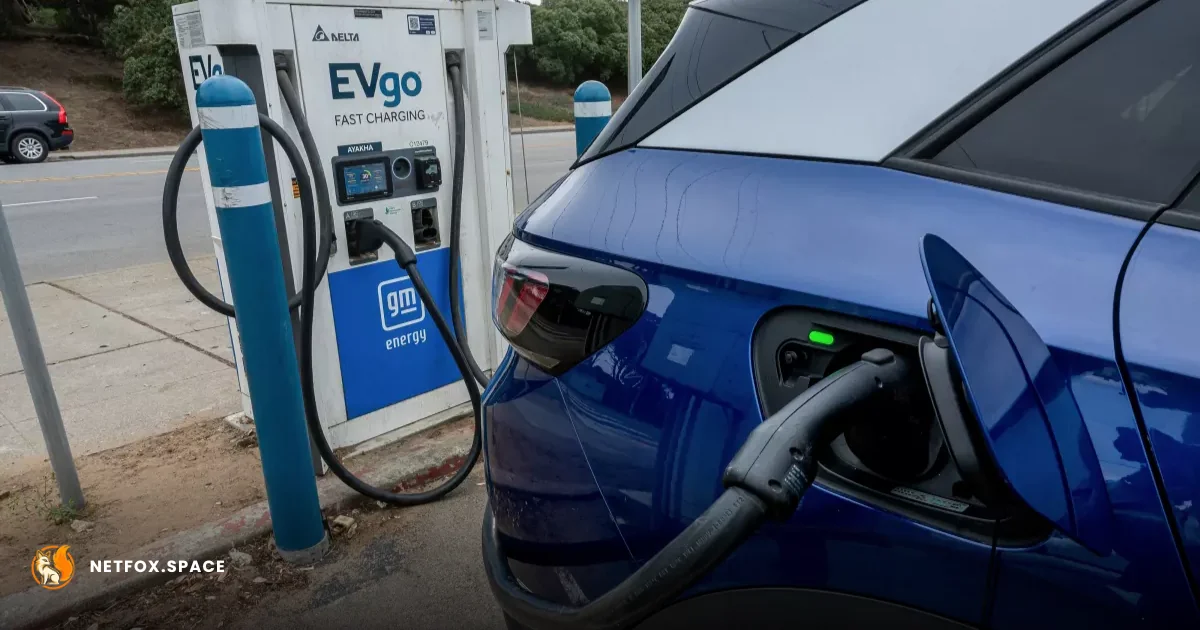
Gasoline Volatility Triggers Consumer Migration
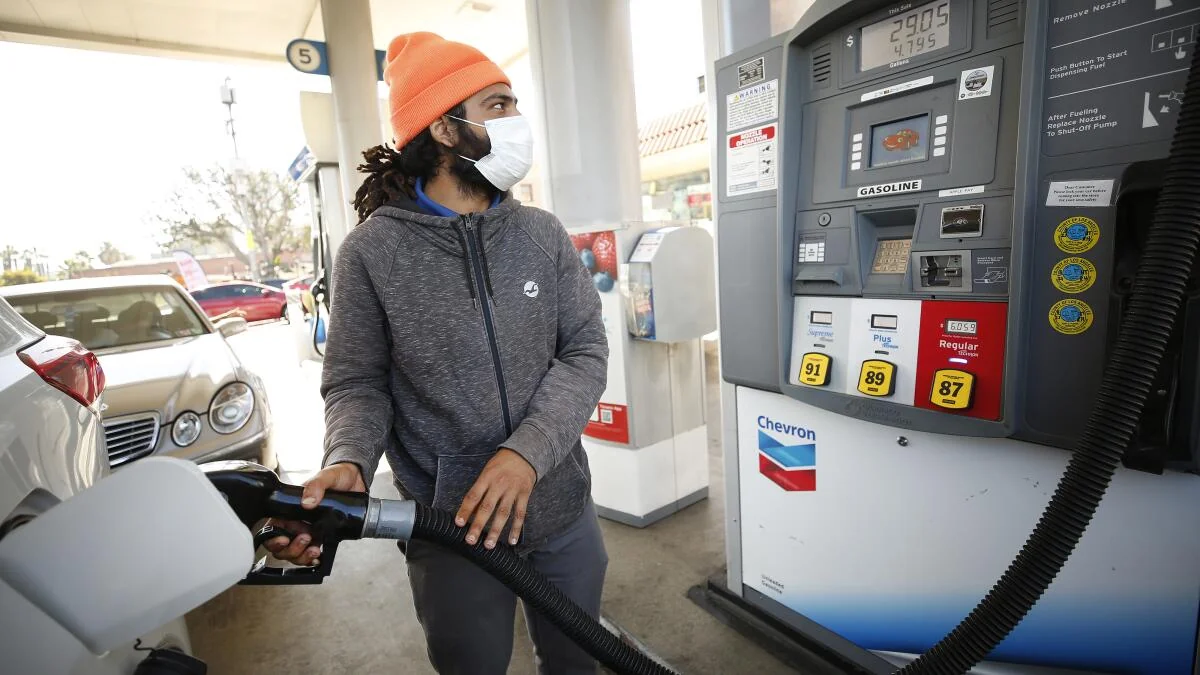
The California Energy Commission has reported a significant divergence between national fuel averages and local pump prices, driven by refinery maintenance cycles and isolated supply chain disruptions. For the international reader, California’s fuel market operates as an "energy island," disconnected from the midwestern pipeline infrastructure. This isolation means that localized price shocks immediately translate into a surge in search intent and showroom traffic for the Zero-Emission Vehicle (ZEV) sector. Unlike previous spikes, current consumer behavior suggests a permanent pivot rather than a temporary avoidance of the pump.
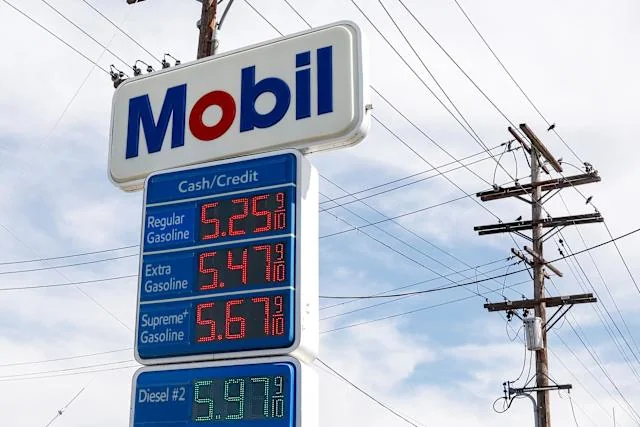
Inventory Pressures and Pricing Parity
Major automotive groups, including Tesla, Rivian, and Ford Motor Company, are adjusting regional inventory to meet the sudden influx of "gas-fatigued" buyers. While the initial purchase price of Electric Vehicles (EVs) remains higher than internal combustion engine (ICE) counterparts, the total cost of ownership (TCO) calculation has shifted. Analysts within the automotive retail sector note that the "payback period" the time it takes for fuel savings to offset the EV premium has dropped from approximately six years to under three years in high-cost counties like Los Angeles and San Francisco.
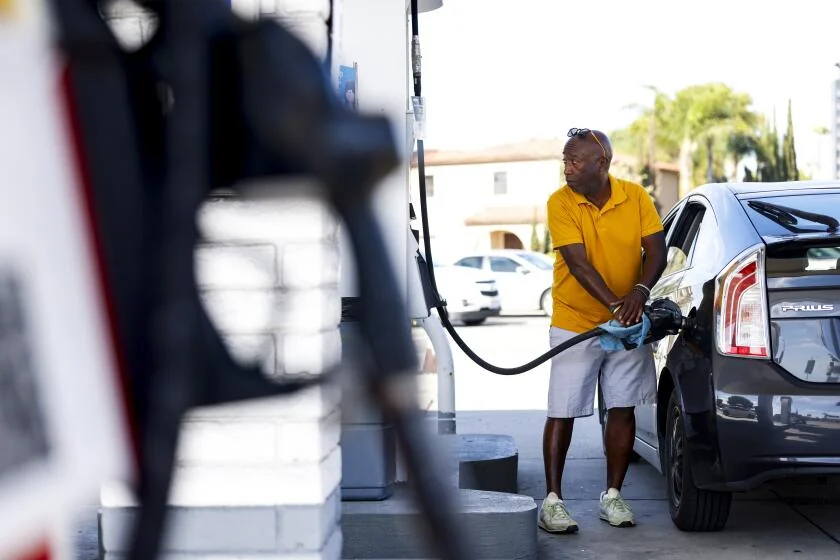
The Invisible Constraint: Grid Reliability and Tiered Charging
While soaring gas prices drive demand, the California Independent System Operator (CAISO) faces an increasingly complex challenge regarding load management. What competitors are not discussing is the "hidden tax" of peak-hour charging. As fuel prices rise, the demand on the electrical grid during the 4:00 PM to 9:00 PM window increases, leading to higher time-of-use (TOU) rates. This creates a scenario where the economic benefit of an EV is partially eroded by utility price hikes, a structural mechanism that is often omitted from the simplified "gas vs. electric" debate. This differentiation in charging efficiency will likely dictate the next phase of consumer satisfaction within the clean energy sector.
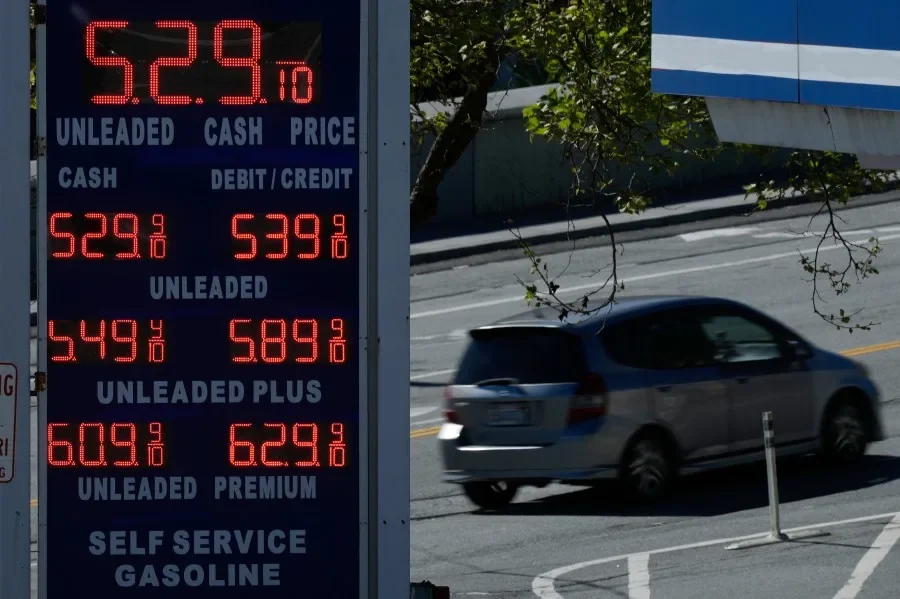
Structural Erosion of the ICE Resale Market
The rapid transition is beginning to devalue traditional gasoline-powered assets at an accelerated rate. Financing institutions and the used car industry are seeing a decline in the residual value of mid-to-large SUVs that lack hybrid or electric powertrains. This systemic shift suggests that the current gas price hike is acting as a catalyst for a "stranded asset" scenario in the private transport sector, where owners of inefficient vehicles find themselves unable to trade in their cars without significant financial loss.
Regional Economic Exposure Table
| Metric | Impact Level | Primary Driver |
|---|---|---|
| Consumer Spending | High (Negative) | Discretionary income diverted to essential transport costs. |
| EV Infrastructure | Critical | Demand outstripping the rollout of DC Fast Charging ports. |
| Grid Stability | Moderate | Increased reliance on residential solar to offset TOU rates. |
| Used ICE Valuations | High (Negative) | Market saturation of high-consumption vehicles in resale lots. |
Infrastructure Lag and Federal Subsidy Deadlines
The California Air Resources Board (CARB) continues to push for a total phase-out of new ICE sales by 2035, but the current price shock is testing the state’s physical readiness a decade early. The tension between high fuel costs and the expiration of certain federal tax credits under the Inflation Reduction Act creates a volatile window for buyers. If charging infrastructure specifically in multi-unit dwellings does not scale to match the pump-induced demand, the state risks a "charging desert" crisis that could stall the momentum of the green transition.
The immediate consequence remains a widening gap between mobility-rich households who can afford the EV transition and lower-income commuters trapped in an increasingly expensive fossil-fuel ecosystem.
Comments (0)
Please login to comment
Sign in to share your thoughts and connect with the community
Loading...