

The Mechanics of the "Business Combination": A Transatlantic Power Move
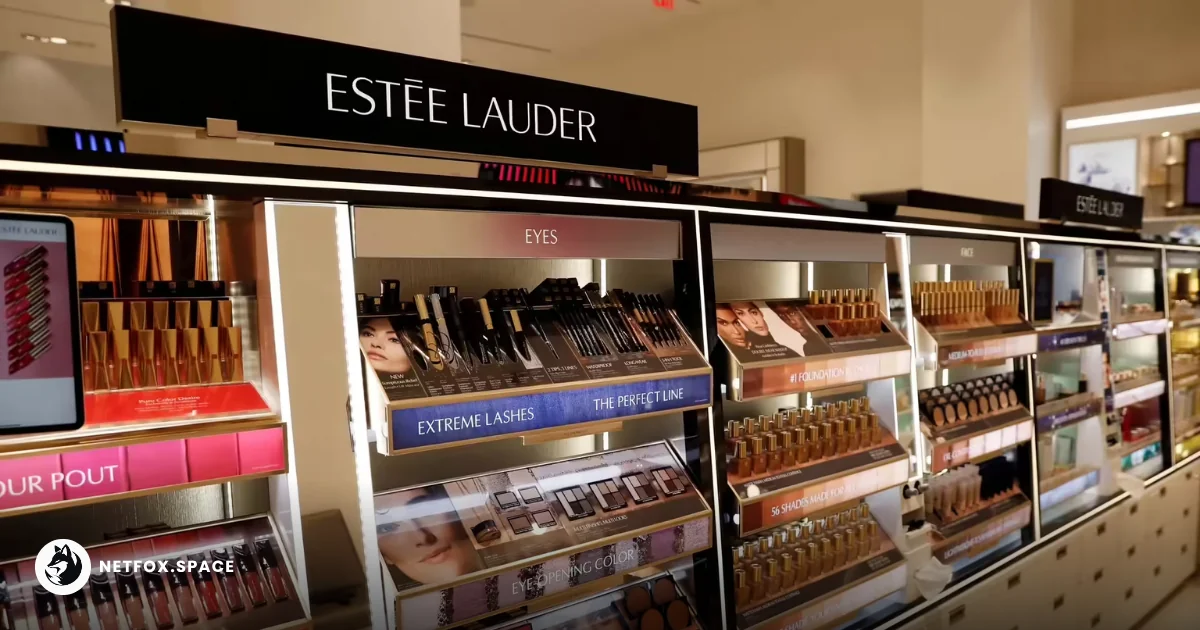
On March 23, 2026, The Estée Lauder Companies Inc. (ELC) officially confirmed it is engaged in formal discussions regarding a potential merger with the Spanish beauty and fashion powerhouse Puig. The proposed deal, first reported by the Financial Times and The Wall Street Journal, would unite some of the world’s most recognizable prestige brands, including MAC, Clinique, Tom Ford, Charlotte Tilbury, and Jean Paul Gaultier, under a single corporate umbrella.
The negotiation comes at a critical juncture for the New York-based Estée Lauder, which has struggled with three consecutive years of declining revenue and a stock price that has plummeted nearly 80% from its 2021 peak. For the Barcelona-based Puig, which successfully executed Spain’s largest Initial Public Offering (IPO) in a decade in 2024, the merger offers a path to massive global scale as it transitions from family-led management to a more traditional corporate structure under its new CEO, José Manuel Albesa.
Market Reaction: The Divergent Fates of ELC and Puig Shares
Investor response to the announcement was immediate and sharply divided. In the wake of the confirmation, Estée Lauder shares fell by approximately 8% on the New York Stock Exchange. Analysts cite concerns over "execution risk," noting that the conglomerate is currently in the second year of its "Beauty Reimagined" turnaround plan—a restructuring effort that includes cutting up to 7,000 positions, or 11% of its workforce, through fiscal 2026.
Conversely, Puig shares surged 15% on the Madrid Stock Exchange. The Spanish group, which posted a record €5.04 billion in revenue for 2025, is viewed as the "growth engine" in this potential pairing. While Estée Lauder brings a massive distribution network in skincare and makeup, Puig contributes high-margin, social-first brands that have successfully captured the Gen Z demographic, a segment where Estée Lauder’s heritage brands have recently faltered.
The Fragrance Hegemony: Why Regulatory Hurdles Loom Large
The most significant—and potentially problematic—aspect of this merger is the concentration of power in the Prestige Fragrance Sector. While many analysts focus on the $40 billion valuation, the deeper structural story lies in market share. According to Euromonitor data, an integrated ELC-Puig entity would see its premium fragrance market share jump from 6% to 15%, placing it directly behind L’Oréal’s 16%.
This creates a "duopoly" at the top of the luxury scent market that is likely to trigger intense scrutiny from the European Commission’s Directorate-General for Competition and the U.S. Federal Trade Commission (FTC). Historically, the fragrance market has been fragmented among smaller players and fashion houses. By consolidating Tom Ford, Le Labo, Jo Malone, and Kilian Paris (ELC) with Carolina Herrera, Rabanne, and Byredo (Puig), the new giant would control a staggering percentage of the department store "counter space," potentially forcing divestitures to satisfy antitrust regulators.
2025 Financial Snapshot: The Merger of Unequals
| Metric (2025 Data) | Estée Lauder Companies | Puig Brands S.A. |
|---|---|---|
| Annual Revenue | ~$14.8 Billion (Est.) | €5.04 Billion ($5.4B) |
| Net Sales Growth | -2.1% (YoY) | +5.3% (YoY) |
| Primary Category | Skincare (52% of sales) | Fragrance (72% of sales) |
| Market Capitalization | ~$31 Billion | ~€14.5 Billion |
| Employee Status | 7,000 job cuts announced | Expanding workforce |
Systemic Shifts: The End of the "Independent Prestige" Era?
This potential merger is a symptom of a broader "Arms Race" within the global Consumer Staples and Beauty sectors. Following L’Oréal’s 2025 acquisition of Kering Beauté’s licenses (including Gucci and Bottega Veneta), the barriers to entry for independent prestige brands have reached an all-time high. The ELC-Puig deal signals that even multi-billion dollar entities no longer feel they have sufficient "gravity" to compete individually against the diversified portfolios of LVMH and L’Oréal.
Furthermore, the deal highlights a shift in how "prestige" is defined. Puig has mastered the art of "Niche Luxury"—fragrances that sell for $200+—while Estée Lauder has traditionally relied on "Mass-Prestige" volume. The integration would likely see Estée Lauder adopting Puig’s digital-first, limited-distribution model for its high-end lines, moving away from the broad department store presence that has contributed to its current inventory bloat in the Asian travel retail markets.
The Integration Risk: Can ELC Digest a Giant While Restructuring?
The ultimate success of the merger hinges on timing. Estée Lauder is currently in the middle of a delicate corporate surgery. Integrating a complex, multi-brand fashion and beauty house like Puig—which includes high-fashion labels like Dries Van Noten—requires a level of management bandwidth that ELC may not currently possess.
The Puig family, which still holds the majority of voting rights, is expected to demand significant influence over the creative direction of the combined entity. If the merger moves forward, it will not just be a financial transaction but a cultural collision between a 78-year-old American corporate institution and a 112-year-old Spanish family legacy, occurring at a moment when consumer spending in the U.S. and China remains volatile.
The road to a final agreement remains fraught with complexity. Whether the Puig family is willing to dilute their control for the sake of global dominance, and whether Estée Lauder can convince shareholders that adding more brands is the cure for a brand-overload problem, will define the beauty industry's landscape for the remainder of the decade.
Comments (0)
Please login to comment
Sign in to share your thoughts and connect with the community
Loading...