

Strategic Resizing of the Meta Platforms Workforce
Meta Platforms, Inc. is reportedly evaluating a workforce reduction of up to 20%, a move that signifies a radical departure from the hyper-growth hiring phase of the early 2020s. Following the "Year of Efficiency" initiated by CEO Mark Zuckerberg, these potential cuts are not merely cost-saving measures but a fundamental reallocation of capital. The objective is to lean the organization's middle management layers and non-core departments to preserve liquidity for high-stakes technical competition.
The shift reflects a broader trend within the Technology Sector, where headcount is no longer viewed as a status symbol of scale, but as a liability in a high-interest-rate environment. By targeting a 20% reduction, the company aims to optimize its operating margin while signaling to Wall Street that it is prioritizing profitability over experimental expansion in the metaverse.
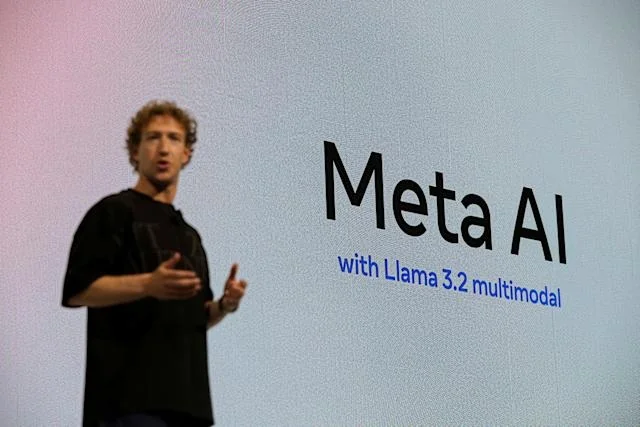
The Bifurcation of Infrastructure and Innovation
The simultaneous announcement of massive staff cuts and "two big statements" regarding Artificial Intelligence suggests a structural pivot. Meta is doubling down on its Llama large language model (LLM) ecosystem and the development of custom MTIA (Meta Training and Inference Accelerator) silicon. This indicates that while the human workforce is shrinking, the synthetic compute power of the company is expanding at an exponential rate.
This strategic alignment places Meta in direct competition with Alphabet Inc. and Microsoft Corporation. The transition focuses on automating internal workflows ranging from code generation to ad-buying algorithms thereby reducing the long-term necessity for the very human roles currently on the chopping block.
The Silicon Subsidy: Hidden Trade-offs in Talent Acquisition
While most outlets focus on the "why" of the layoffs, the underlying reality is the soaring cost of "AI Talent" versus "Generalist Talent." The Information Technology labor market is currently experiencing a massive price divergence. Meta is essentially liquidating thousands of generalist roles to afford the million-dollar compensation packages required to lure top-tier Machine Learning Engineers and researchers from rivals like OpenAI.
This "Silicon Subsidy" means Meta is trading volume for specialized density. For every 50 project managers or recruiters let go, the company may only hire five specialized engineers, yet the total compensation expense remains stagnant or even increases. This represents a "brain-drain" risk for the legacy social media arms of the business as focus shifts entirely toward autonomous agents.
Systemic Implications for the Global Tech Economy
The 20% reduction target serves as a benchmark for the rest of the S&P 500 tech constituents. When a market leader like Meta demonstrates that it can maintain or increase output with significantly fewer employees through AI integration, it creates a "copycat" pressure on smaller firms. This could lead to a systemic contraction in white-collar tech employment across Silicon Valley and international hubs like Dublin and Singapore.
Furthermore, this shift accelerates the "Capex War" in the semiconductor industry. Meta’s survival is now tethered to its ability to secure enough Nvidia H100s (or future iterations) to remain relevant. The hardware-heavy nature of this new strategy increases Meta’s exposure to supply chain vulnerabilities in the Asia-Pacific region, particularly involving TSMC.

Projected Financial Reallocation Timeline
| Period | Projected Action | Estimated Impact |
|---|---|---|
| Q2 2026 | Initial "Efficiency" Wave | 5–8% headcount reduction in non-technical roles. |
| Q3 2026 | AI Infrastructure Deployment | Integration of automated ad-buying across Instagram/FB. |
| Q4 2026 | Final "Resizing" Phase | Total reduction nears 20%; relocation of funds to R&D. |
| 2027 | Autonomous Operations | Shift toward AI-led content moderation and feature dev. |
The transition from a social-first to an AI-first architecture remains fraught with execution risk, as the loss of institutional knowledge from the 20% staff exit could destabilize the core advertising products that currently fund the entire AI evolution.
Comments (0)
Please login to comment
Sign in to share your thoughts and connect with the community
Loading...