

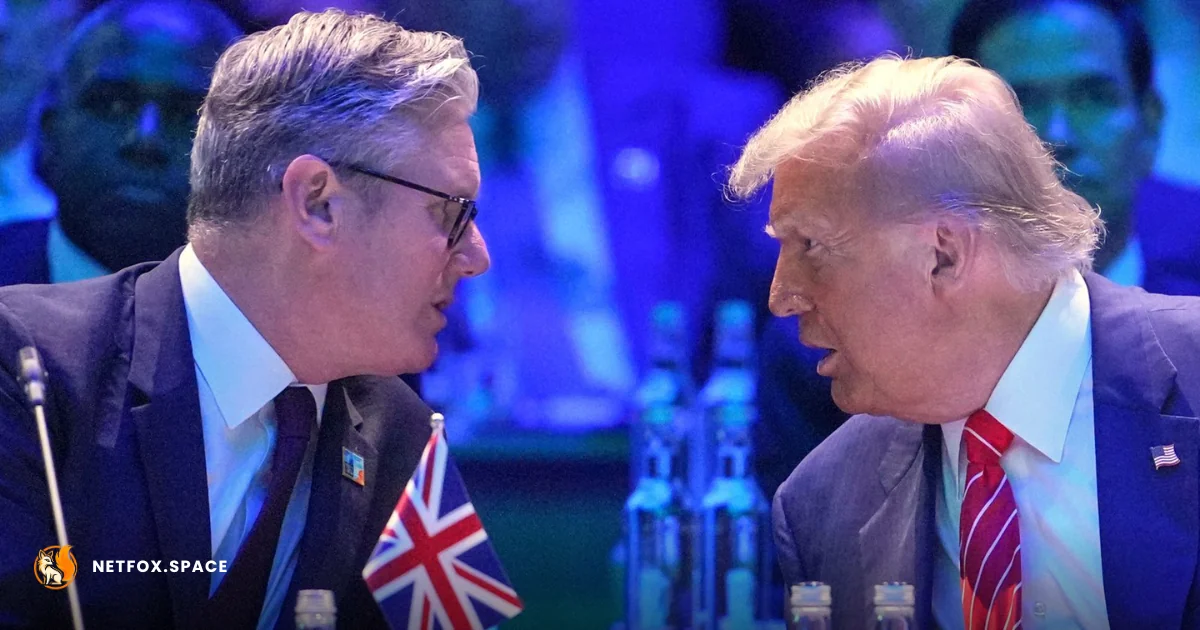
The Saturday Refusal: A Post-Suez Strategic Pivot
On Saturday, February 28, 2026, the United Kingdom made a historic decision to decline a direct request from the United States to use British sovereign bases for offensive airstrikes against Iran. Prime Minister Keir Starmer justified the refusal by citing a lack of "lawful basis" and a "viable, thought-through plan." This move represents the most significant divergence in Anglo-American military policy since the 1956 Suez Crisis, signaling that the Labour government is no longer willing to provide "blank cheque" support for American kinetic operations in the Middle East.
While the U.S. Air Force and Israel proceeded with the strikes—which reportedly targeted and killed 47 high-ranking military leaders in Tehran—the UK limited its involvement to "defensive operations." This included deploying F-35 and Typhoon jets from RAF Akrotiri in Cyprus to intercept retaliatory drones and protect regional allies like Qatar. The refusal to participate in the "archery" (the strikes) while focusing on "catching arrows" (the defense) has created an unprecedented operational rift between the Pentagon and the Ministry of Defence.
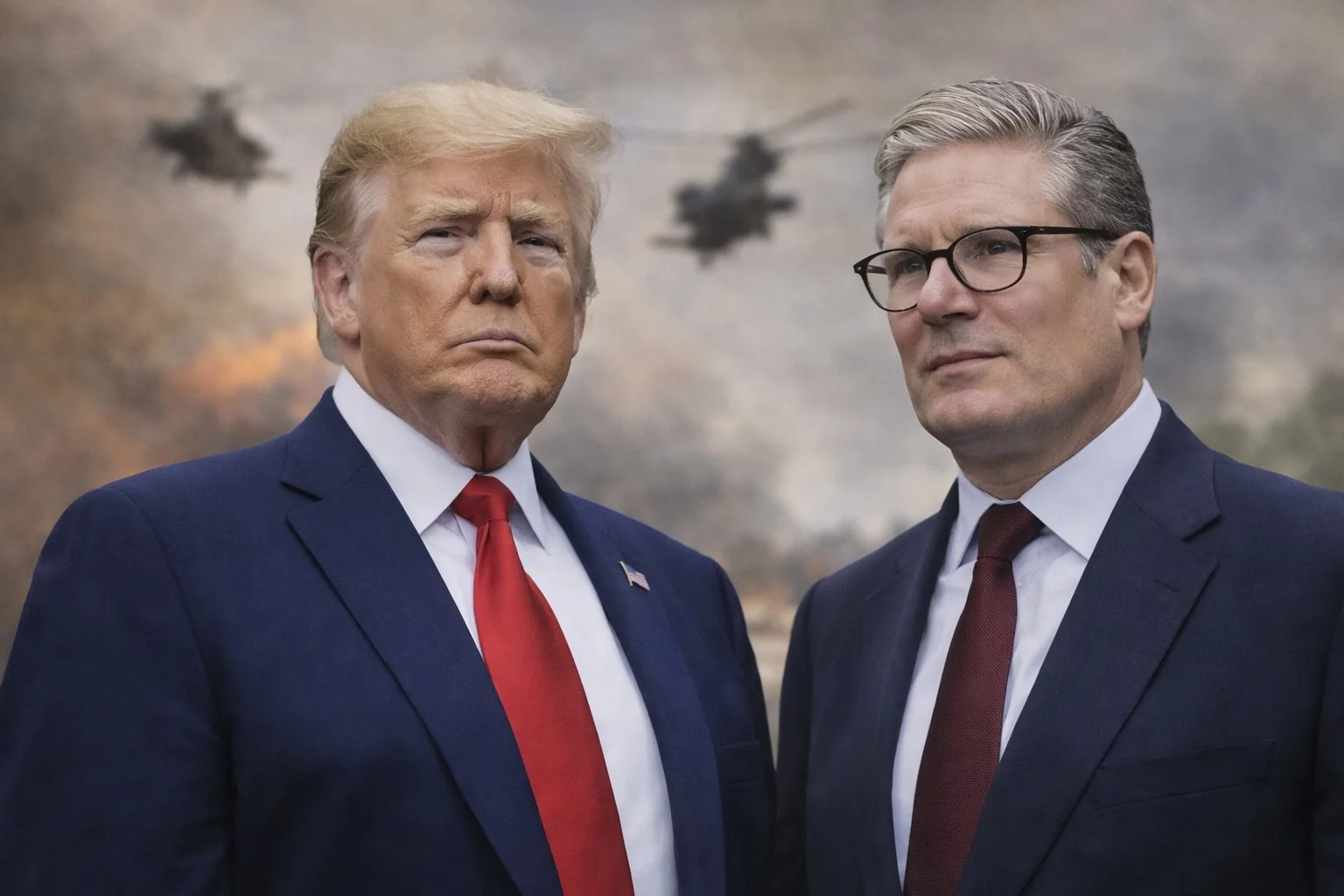 US President Says UK-US “Special Relationship” Strained After Disagreement Over Iran Policy
"No Churchill": The Trump-Starmer Diplomatic Escalation
President Donald Trump, currently in the second year of his second term, responded to the British refusal with a series of public rebukes that have sent the special relationship into a tailspin. Speaking from the White House, Trump dismissed Starmer as "no Churchill," suggesting the UK had abandoned its role as a global power. The rhetoric has shifted from professional disagreement to personal animus, with the President explicitly stating that the relationship is "not what it was."
In Prime Minister’s Questions (PMQs) on Wednesday, March 4, Starmer delivered a sharp riposte, telling Members of Parliament that "hanging on to President Trump's latest words is not the special relationship in action." The Prime Minister argued that the true alliance is found in the daily sharing of intelligence and the protection of American lives on joint bases, rather than blind adherence to impulsive military escalations.
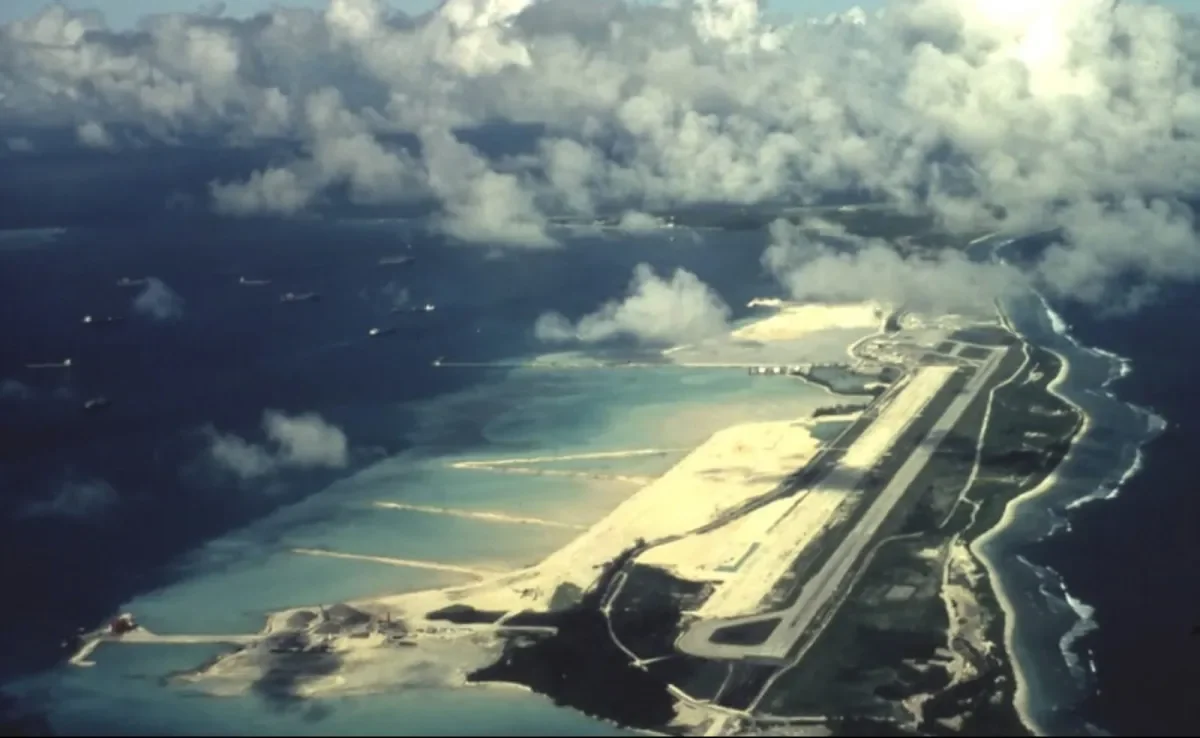 An aerial view of America's leased Diego Garcia military base in the Indian Ocean
The Base-Access Paradox: Defensive vs. Offensive Sovereignty
The current crisis exposes a hidden structural weakness in the UK-US defense architecture: the dual-use nature of "Sovereign Base Areas." While the United States views sites like RAF Akrotiri and Diego Garcia as critical launchpads for power projection, the UK maintains that their use must align with British law and the United Nations Charter.
Unlike previous conflicts where the "special relationship" functioned as a seamless integration of command, the 2026 Iran War has forced a legalistic decoupling. The Starmer administration is testing a new doctrine of "selective alignment," where the UK provides the logistical and defensive infrastructure but refuses to be a co-belligerent in "regime change from the skies." This creates a logistical nightmare for the U.S. Central Command (CENTCOM), which must now navigate the unpredictability of a partner that prioritizes domestic legal thresholds over traditional geopolitical loyalty.
Historical Strains on the UK-US Special Relationship
| Conflict / Crisis | Year | Nature of the Strain | Outcome |
|---|---|---|---|
| Suez Crisis | 1956 | US opposed UK/French/Israeli invasion of Egypt. | UK withdrawal; humiliating diplomatic defeat. |
| Vietnam War | 1965 | PM Harold Wilson refused to send British troops. | Deep frost in relations; covert support only. |
| Iraq War | 2003 | PM Tony Blair joined US despite massive domestic protest. | Deepened military ties but damaged UK public trust. |
| Iran Conflict | 2026 | PM Keir Starmer denies offensive use of UK bases. | Active diplomatic hostility; "No Churchill" insult. |
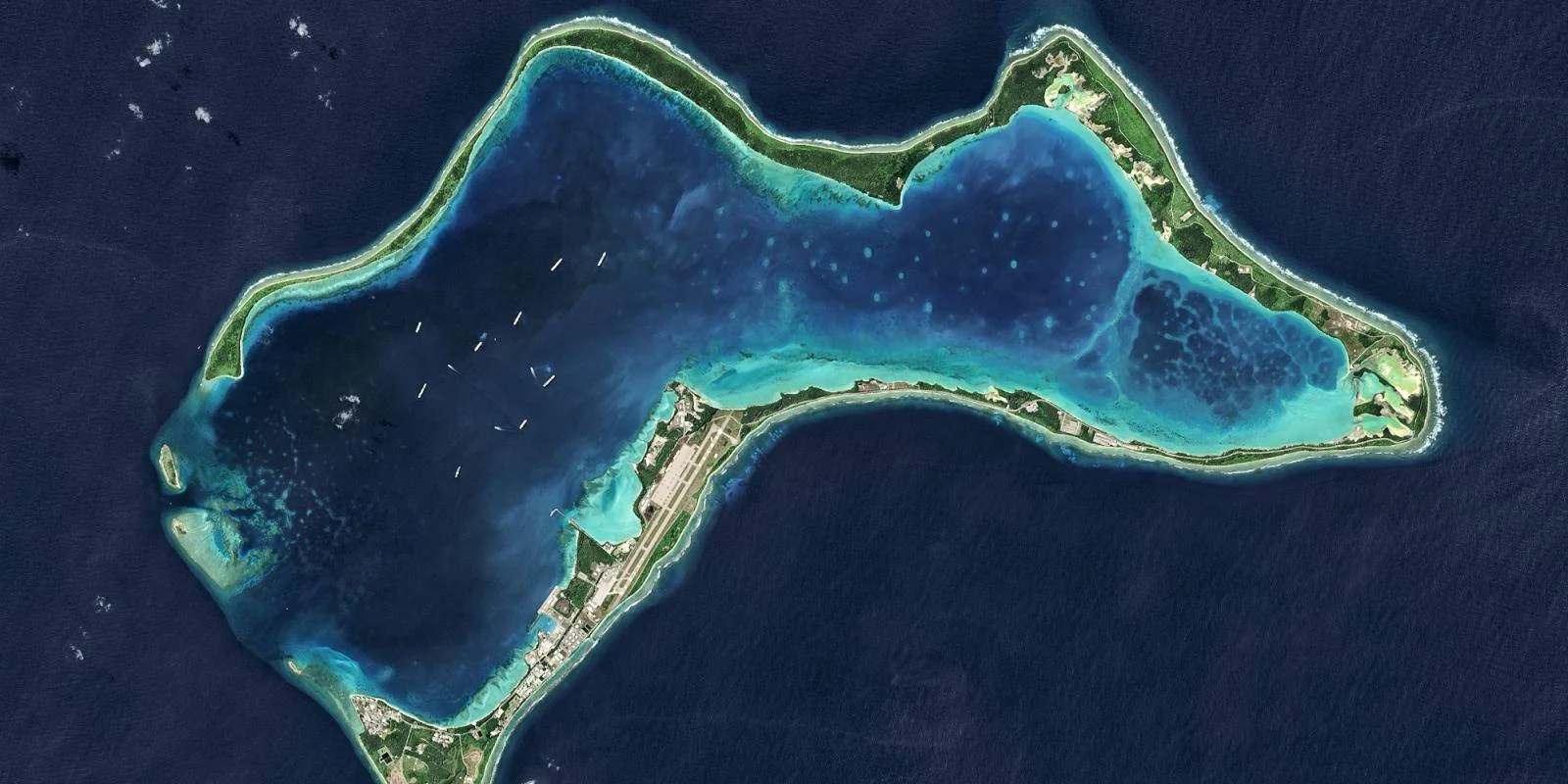 Image — Diego Garcia, the largest of the islands in the Chagos Archipelago. (Photo by USGS/NASA Landsat data/Orbital Horizon Gallo Images/Gallo Images/Getty Images)
Collateral Damage: Chagos, Tech Deals, and Economic Risk
The diplomatic fallout is already bleeding into the tech sector and long-term territorial agreements. A multi-billion pound "tech prosperity deal" currently under negotiation between London and Washington is now reportedly on hold. Analysts in the defense industry warn that if the rift persists, the UK could face exclusion from critical supply chains for next-generation AI-driven military hardware, which is heavily "wired" to the Pentagon.
Furthermore, the status of the Chagos Archipelago—home to the vital Diego Garcia base—has been weaponized. The U.S. State Department has signaled that its support for the recent Mauritius sovereignty deal is conditional on the UK being a "reliable security partner." Without American backing, the legal framework for the base is thrown into uncertainty, potentially leaving Britain exposed to international litigation and the loss of its most strategic asset in the Indian Ocean.
The European Pivot: Toward Strategic Autonomy
As Trump pushes the "America First" agenda to its logical conclusion, Downing Street is accelerating its pivot toward the European Union. Sources suggest that Starmer is intensifying talks with French President Emmanuel Macron regarding "strategic autonomy"—a concept long championed by France to reduce dependency on the United States.
The deployment of French air defense systems to Cyprus alongside the RAF after a drone strike on a British base earlier this week is a visible sign of this shift. If the UK concludes that the United States is an "erratic ally," the structural gravity of British defense policy will likely move toward the Brussels-led European defense project, fundamentally altering the security landscape of the North Atlantic Treaty Organization (NATO) for the remainder of the decade.
The immediate risk remains an uncontrolled escalation; as British nationals are evacuated from Tehran and the Middle East, the "special relationship" faces its most existential test since the end of the Cold War.
References:
Comments (0)
Please login to comment
Sign in to share your thoughts and connect with the community
Loading...