

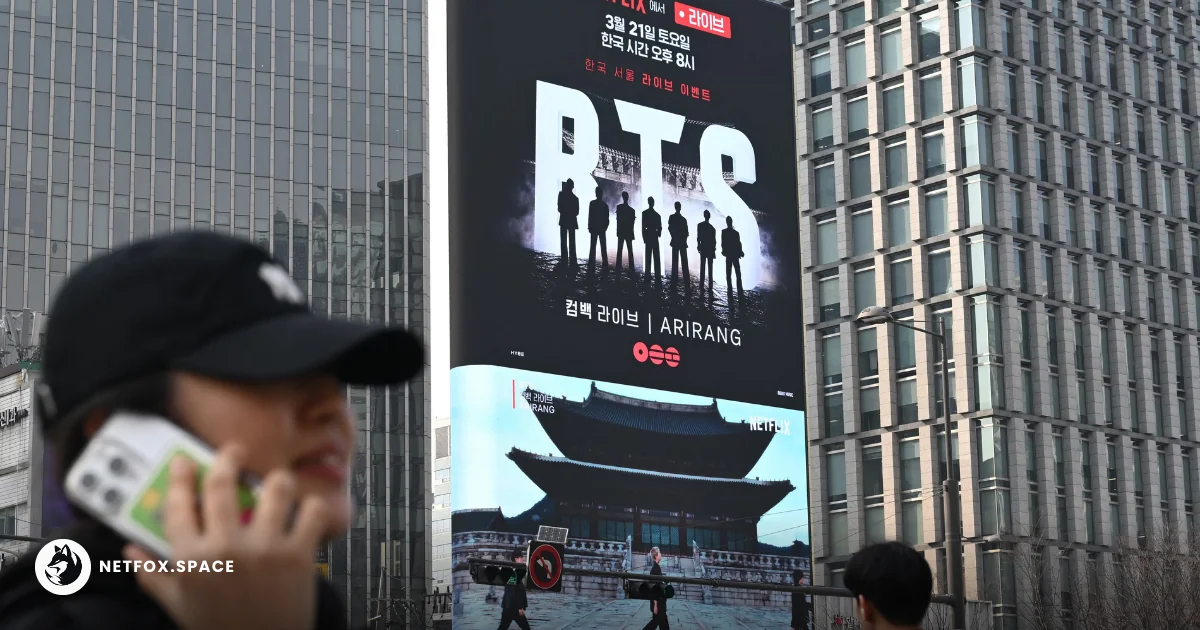
Strategic Security Escalation at Gwanghwamun Square
The South Korean Government Policy Coordination Office has officially elevated the national terrorism alert level to "Caution" (the second tier of a four-level scale) across central Seoul’s Jongno and Jung districts. This proactive measure, effective from midnight on March 19 through March 21, 2026, directly precedes the BTS "Arirang" comeback concert.
Authorities anticipate an unprecedented gathering of 260,000 people at Gwanghwamun Square, a location of high symbolic and geographic sensitivity due to its proximity to the U.S. Embassy and Gyeongbokgung Palace. The Seoul Metropolitan Police Agency has confirmed the deployment of 6,500 officers and 70 mobile units to manage the massive influx of both ticketed spectators and the general public.
Infrastructure Lockdown and Crowd Management Protocols
To prevent a repeat of the 2022 Itaewon tragedy, the Ministry of the Interior and Safety has reclassified the event as a potential "Mass Gathering Crowd Disaster." The following technical security measures are being implemented:
-
Building Surveillance: 31 high-rise buildings surrounding the square have been placed under special surveillance, with rooftops and front entrances locked down to prevent unauthorized viewing perches.
-
Transit Suspension: City Hall, Gyeongbokgung, and Gwanghwamun subway stations will be subject to closures during peak event hours on Saturday.
-
Density Controls: A designated "safe zone" for 100,000 people is being enforced with a maximum density of one person per square meter, supported by metal detectors at over 30 entry points.
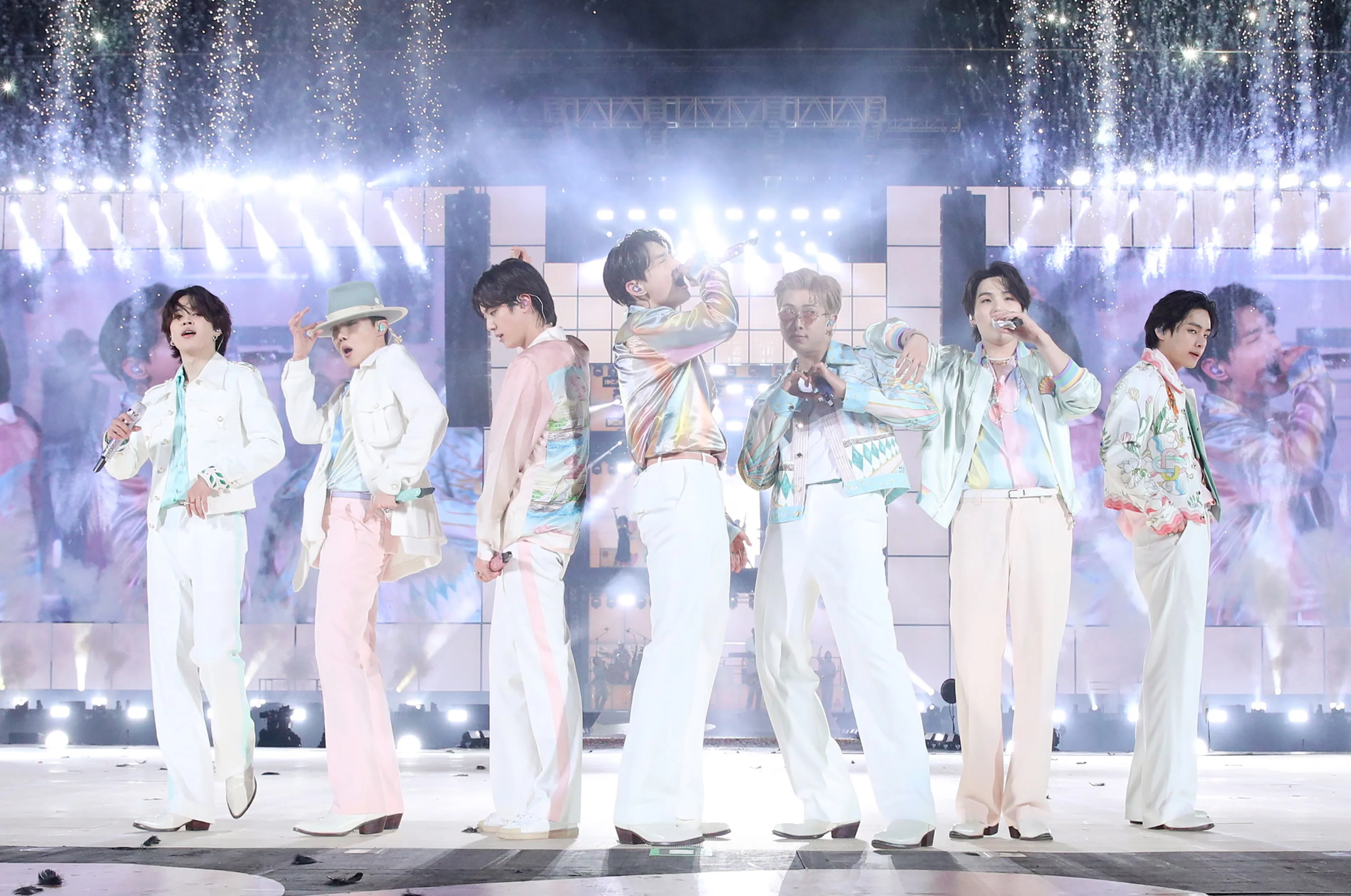 K-pop group BTS perform at Jamsil Olympic Park in southern Seoul, in March 2022. They later went on to fulfil their mandatory military service. Photograph: Yonhap Handout/EPA
The "Caution" Level: Beyond Standard Event Safety
While major pop concerts typically operate under the "Attention" (lowest) tier, the shift to "Caution" signals a specific geopolitical and structural concern that competitors have largely framed as mere crowd control. This elevation grants the National Intelligence Service (NIS) and the Counter-Terrorism Center expanded authority to conduct random checkpoints and monitor financial or communication signals for potential threats.
The decision is driven by two factors: the open-air, non-ticketed nature of the Gwanghwamun venue, which makes perimeter control nearly impossible, and the current instability in the Middle East (specifically U.S.-Iran tensions), which increases the threat profile for high-visibility targets near Western diplomatic missions. Unlike a stadium show, this event is a "soft target" in a high-traffic urban corridor, necessitating military-grade surveillance drones and specialized riot police units.
Comparative Security & Logistics: BTS "Arirang" 2026
| Feature | BTS Gwanghwamun (2026) | Typical Stadium Show |
|---|---|---|
| Alert Level | Caution (Level 2) | Attention (Level 1) |
| Security Force | 6,500+ Police / 72 Riot Units | Private Security + ~200 Police |
| Crowd Density | < 1 person per | Ticket-controlled seating |
| Economic Impact | 1.2 Trillion Won (Estimated) | ~100 Billion Won |
| Broadcast Scope | Netflix (190 Countries) | Closed Circuit / PPV |
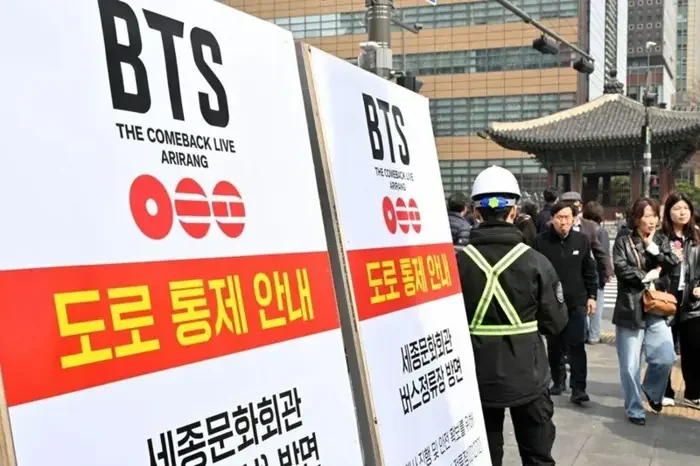 The possibility of a terrorist attack cannot be ruled out in events with large crowds like BTS concerts, said the South Korean PM's office. - Photo: The Korea Herald/ANN
Systematic Economic and Diplomatic Implications
The "BTSnomics" effect of this comeback extends beyond entertainment into the K-tourism and retail sectors. The Korea Tourism Organization expects the 2026-2027 "Arirang" World Tour to surpass the economic footprint of recent global tours, with the Seoul opener alone acting as a litmus test for South Korea’s "K-Safety" branding.
However, the heightened alert also highlights the ongoing friction in the central banking system and local markets; five-star hotel prices in Seoul have reached 2 million won per night, yet the high security risks have led some institutional investors to monitor the event for its potential impact on South Korean sovereign risk and public order perception.
Regional Stability and Future Safety Outlook
The success of the Gwanghwamun event is critical for the Yoon Suk-yeol administration’s commitment to urban safety reform. Any lapse in crowd management or security during the live Netflix broadcast to 50 million viewers would not only endanger lives but also severely damage the credibility of South Korea's updated Counter-Terrorism Act. As the band prepares to walk the "Royal Path" from Geunjeong Gate, the tension remains centered on whether the city’s infrastructure can survive the weight of a 260,000-person density in a period of heightened global volatility.
Comments (0)
Please login to comment
Sign in to share your thoughts and connect with the community
Loading...