

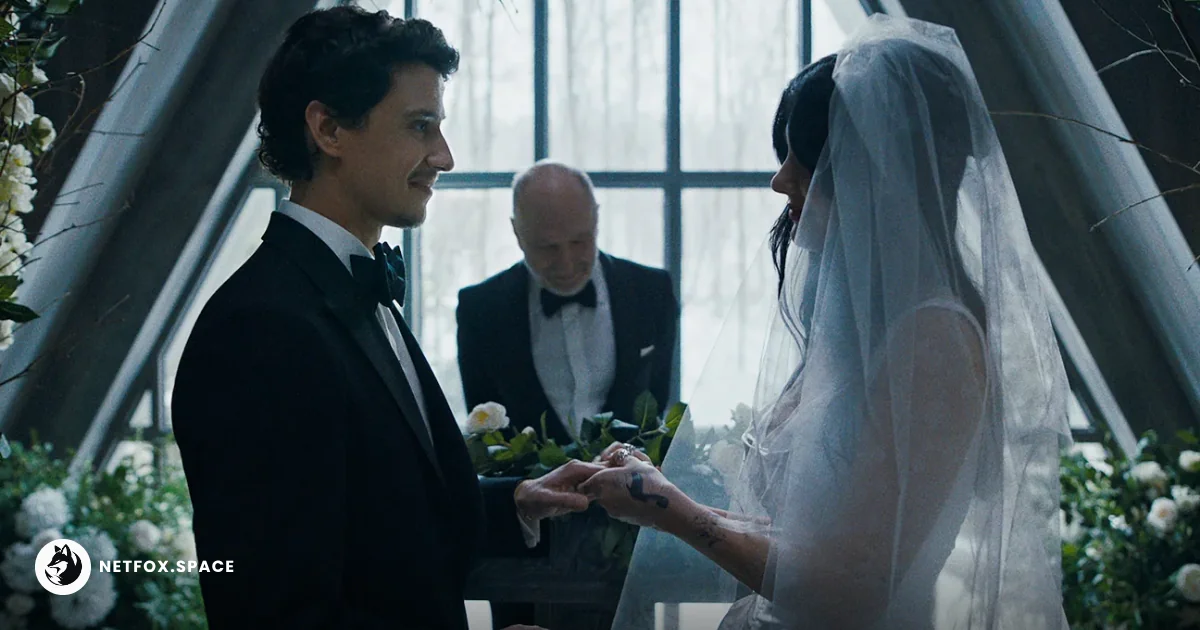
The conclusion of Netflix’s psychological horror series Something Very Bad Is Going to Happen has moved beyond standard genre shocks to become a social litmus test for viewers. According to the show's lead actors, the final narrative twist is designed to expose fundamental ideological rifts within real-world couples.
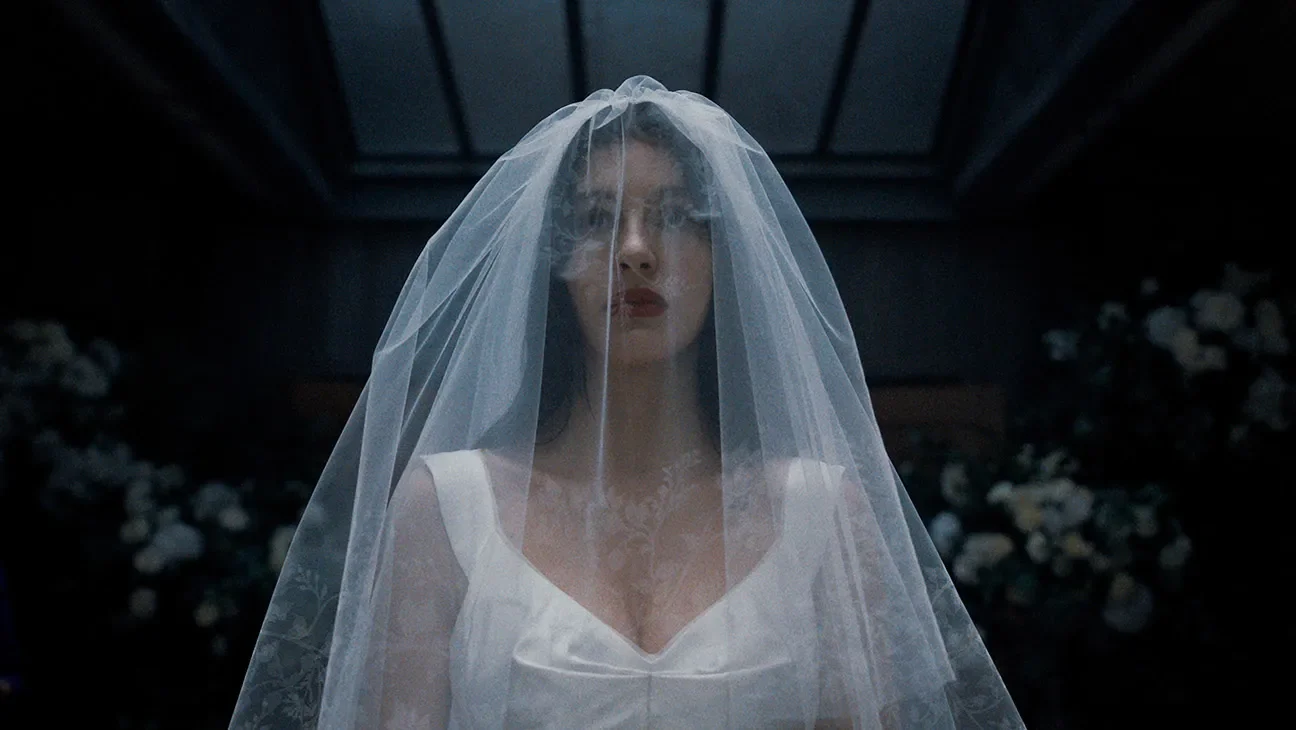 Camila Morrone in 'Something Very Bad Is Going to Happen.' Courtesy of Netflix
Psychological friction drives the final act
The series, which centers on a high-stakes wedding gone wrong, uses its horror framework to interrogate the stability of modern partnerships. Stars Camila Morrone and Adam DiMarco have noted in discussions about the production that the ending is intentionally divisive. Rather than providing a traditional catharsis, the finale forces characters and by extension, the audience to make a moral choice that many viewers find impossible to agree on.
This friction is rooted in the "Bride" and "Groom" archetypes played by Morrone and DiMarco. As the supernatural elements of the plot give way to raw psychological trauma, the mechanics of the final scene demand a level of radical honesty that the actors believe will translate to the living room. DiMarco suggested that if a partner identifies too closely with specific character justifications in the end, it could serve as a "red flag" for the person sitting next to them.
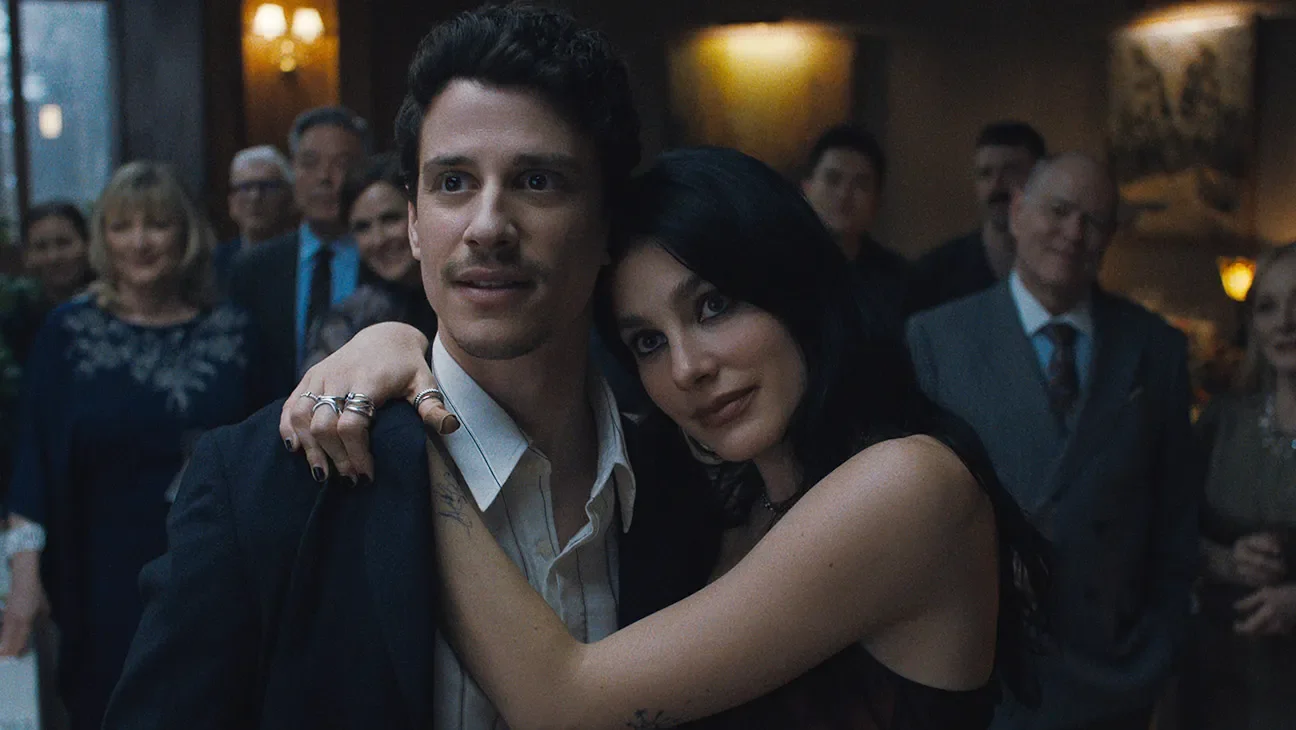 Adam DiMarco as Nicky Cunningham with Camila Morrone as Rachel Harkin in Something Very Bad Is Going to Happen. Courtesy of Netflix
A shift from jump scares to relational dread
While the show has been described as an intense binge-watching experience, the "horror" cited by critics is increasingly categorized as domestic and existential rather than purely visceral. The "bad thing" promised by the title is not merely an external threat, but the revelation of a partner’s true nature under extreme duress.
Morrone has emphasized that the script focuses on the "unspoken contracts" people sign when they enter a long-term commitment. The ending effectively tears these contracts up, leaving viewers to debate whether the characters' actions were a form of survival or a manifestation of inherent cruelty. This ambiguity is what the cast believes will "inspire breakups," as it highlights irreconcilable differences in how viewers perceive loyalty and betrayal.
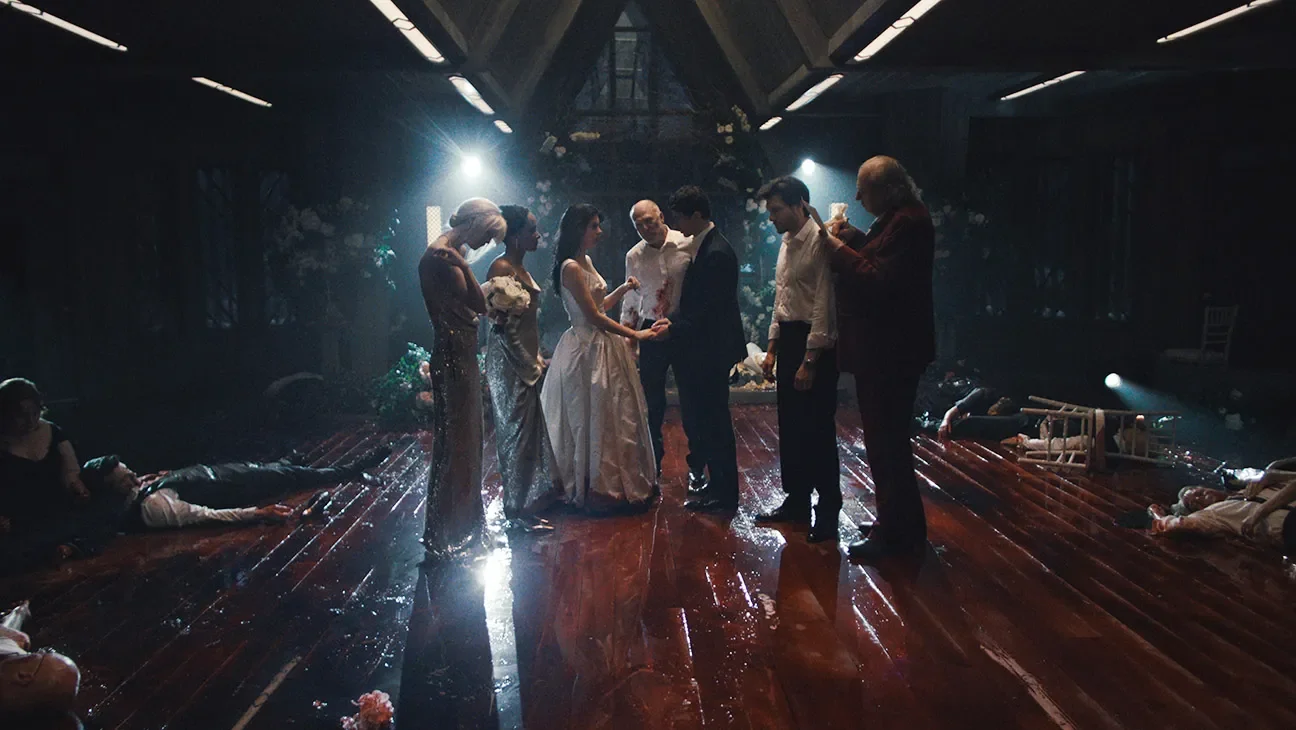 Left to right: Gus Birney as Portia, Karla Crome as Nell, Morrone as Rachel, Ted Levine as Boris, DiMarco as Nicky Cunningham, Jeff Wilbusch as Jules with Zlatko Burić. Courtesy of Netflix
The unresolved nature of the wedding massacre
The narrative structure deliberately leaves several threads regarding the "wedding massacre" open to interpretation. This lack of a definitive moral resolution is a strategic choice by the showrunners to keep the conversation centered on the psychological fallout. By refusing to label its protagonist or antagonist clearly in the final moments, the series places the burden of judgment entirely on the viewer.
For those navigating the ending, the primary takeaway is not just "what happened," but what the viewer's reaction says about their own boundaries. The production team has indicated that the most "horrifying" element of the show is the realization that you may not know the person you love as well as you thought a theme that resonates long after the credits roll.
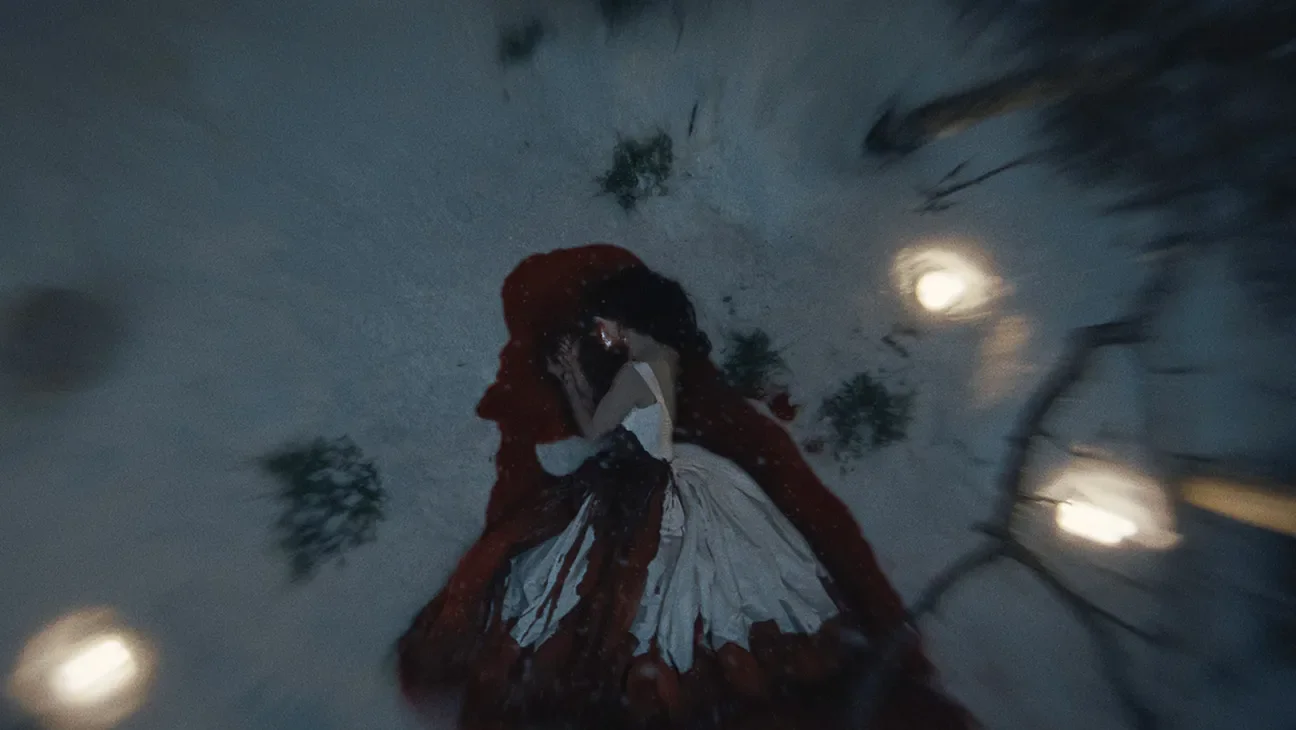 Morrone as Rachel in the finale. Courtesy of Netflix
Comments (0)
Please login to comment
Sign in to share your thoughts and connect with the community
Loading...