
Coachella 2026: Nostalgia and Major Debuts Define Weekend One

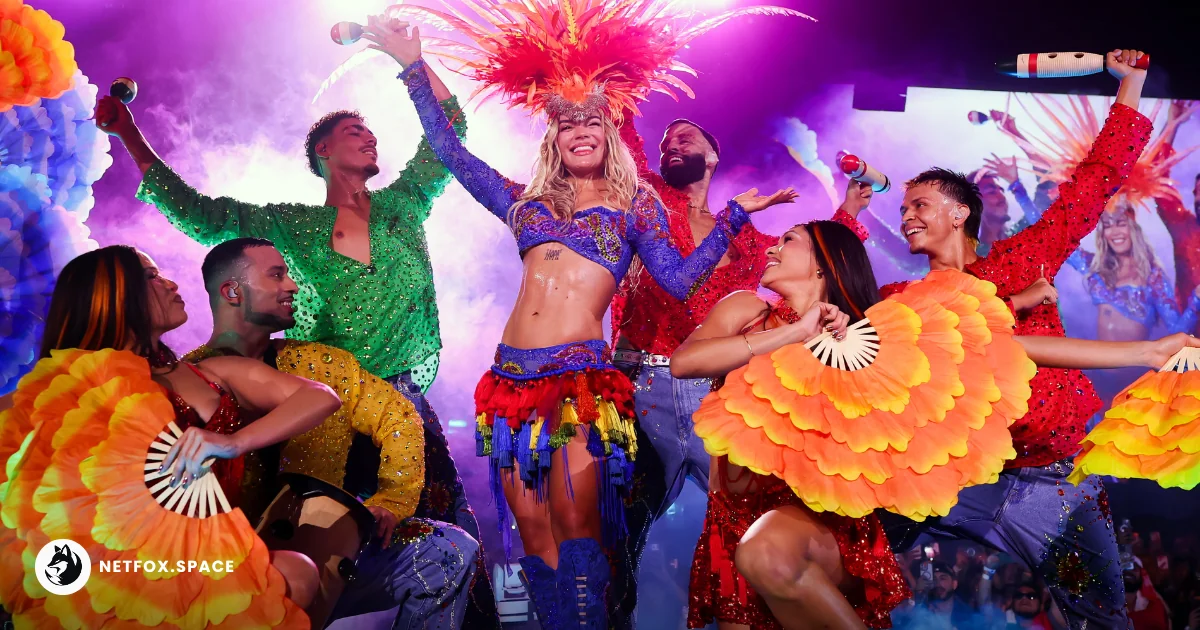
Coachella 2026 concluded its first weekend by leaning heavily into a strategy of curated nostalgia and high-production debuts, effectively insulating the event from broader festival market fatigue. While high winds impacted logistics, the programming successfully prioritized veteran performers alongside massive visual spectacles to maintain its status as the premier North American music event.
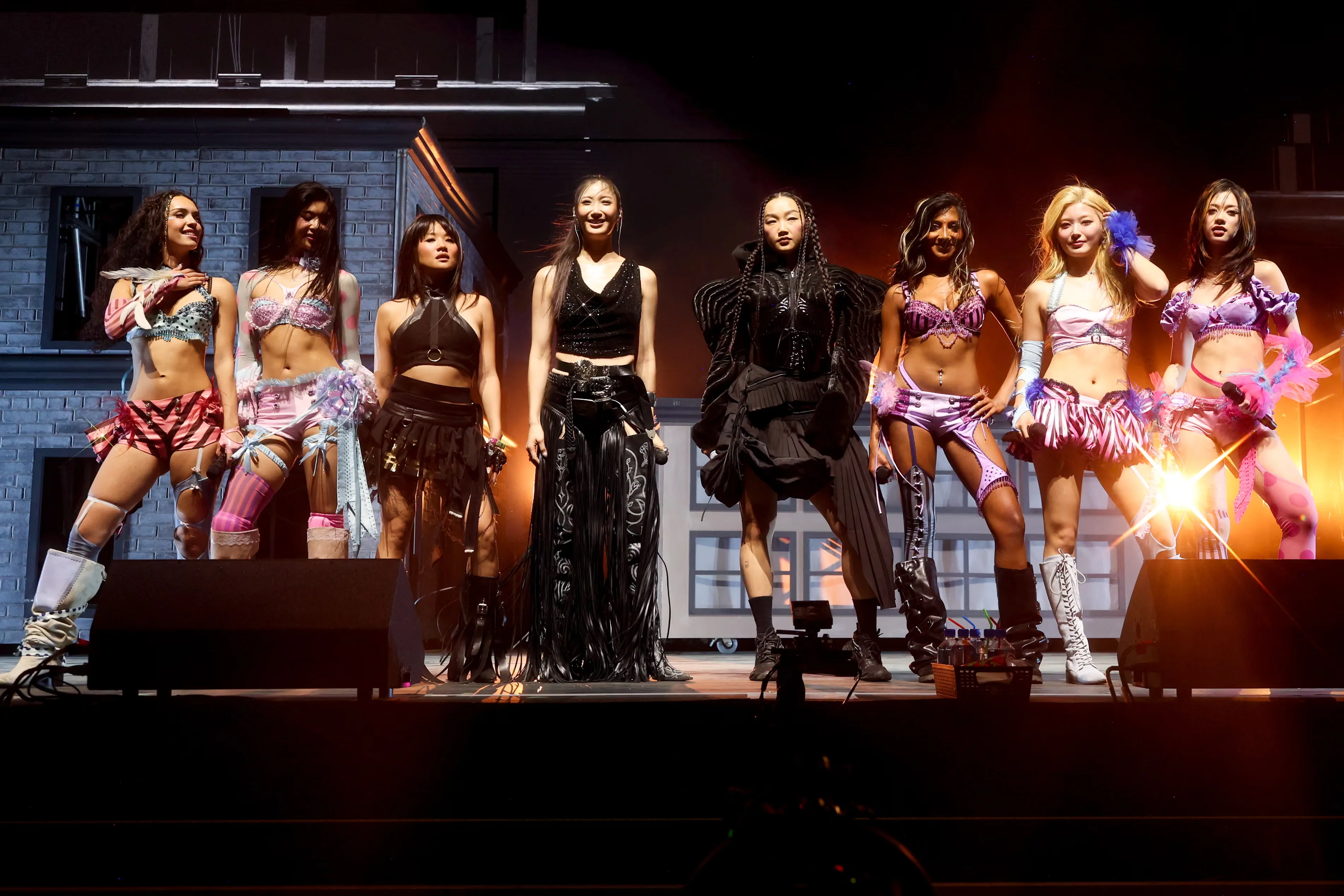 Daniela Avanzini, Sophia Laforteza, Rei Ami, Ejae, Audrey Nuna, Lara Raj, Yoonchae Jeong and Megan Skiendiel of Katseye and Huntr/x of KPop Demon Hunters. Photograph: Christopher Polk/Billboard/Getty Images
Legacy acts anchor the festival’s demographic shift
The 2026 lineup signaled a deliberate pivot toward "millennial nostalgia" as a stabilizing force for the festival’s identity. The return of major legacy artists provided a reliable emotional core for the weekend, catering to an older, higher-spending demographic that has become the festival's economic backbone. These performances functioned as more than just retrospective sets; they were high-budget productions that utilized the latest stage tech to modernize older catalogs.
This focus on established names suggests a shift in Coachella’s booking philosophy. Rather than solely chasing the latest viral trends, organizers are increasingly treating the festival as a platform for defining career milestones for artists who have already demonstrated long-term staying power.
 Photograph: Matt Winkelmeyer/Getty Images for Coachella
High production values mitigate environmental challenges
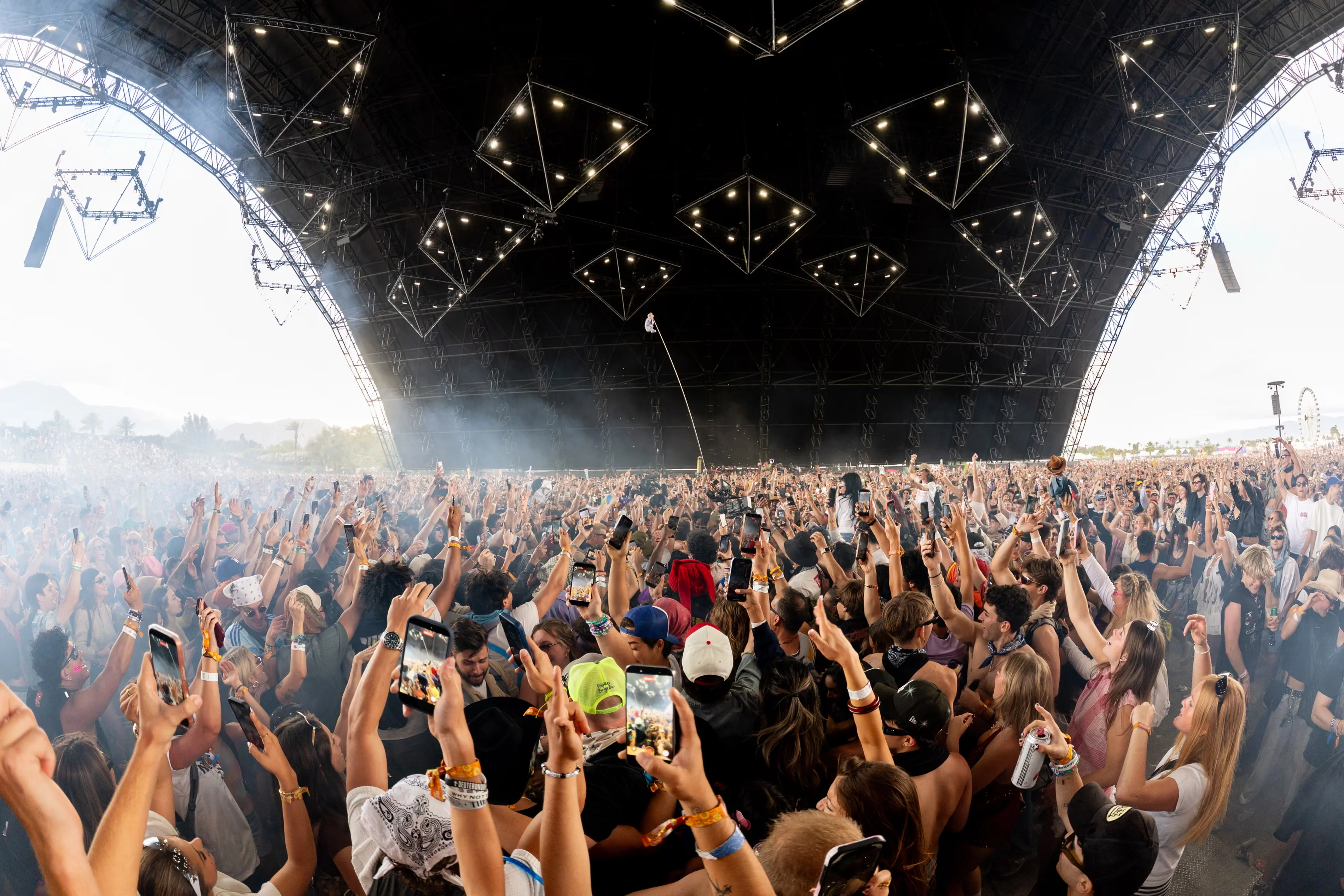
The first weekend was characterized by severe desert wind conditions that challenged the physical infrastructure of several stages. In response, many artists shifted their performance value into massive digital displays and integrated lighting rigs that were less susceptible to wind-load issues than traditional suspended set pieces.
This technical adaptability was most evident during the headline sets, where expansive visual storytelling compensated for any audio dispersal caused by the gusts. From an operational standpoint, this highlights a growing trend in festival design where "hard" physical assets are being replaced by "soft" digital environments to ensure show continuity regardless of climate conditions.
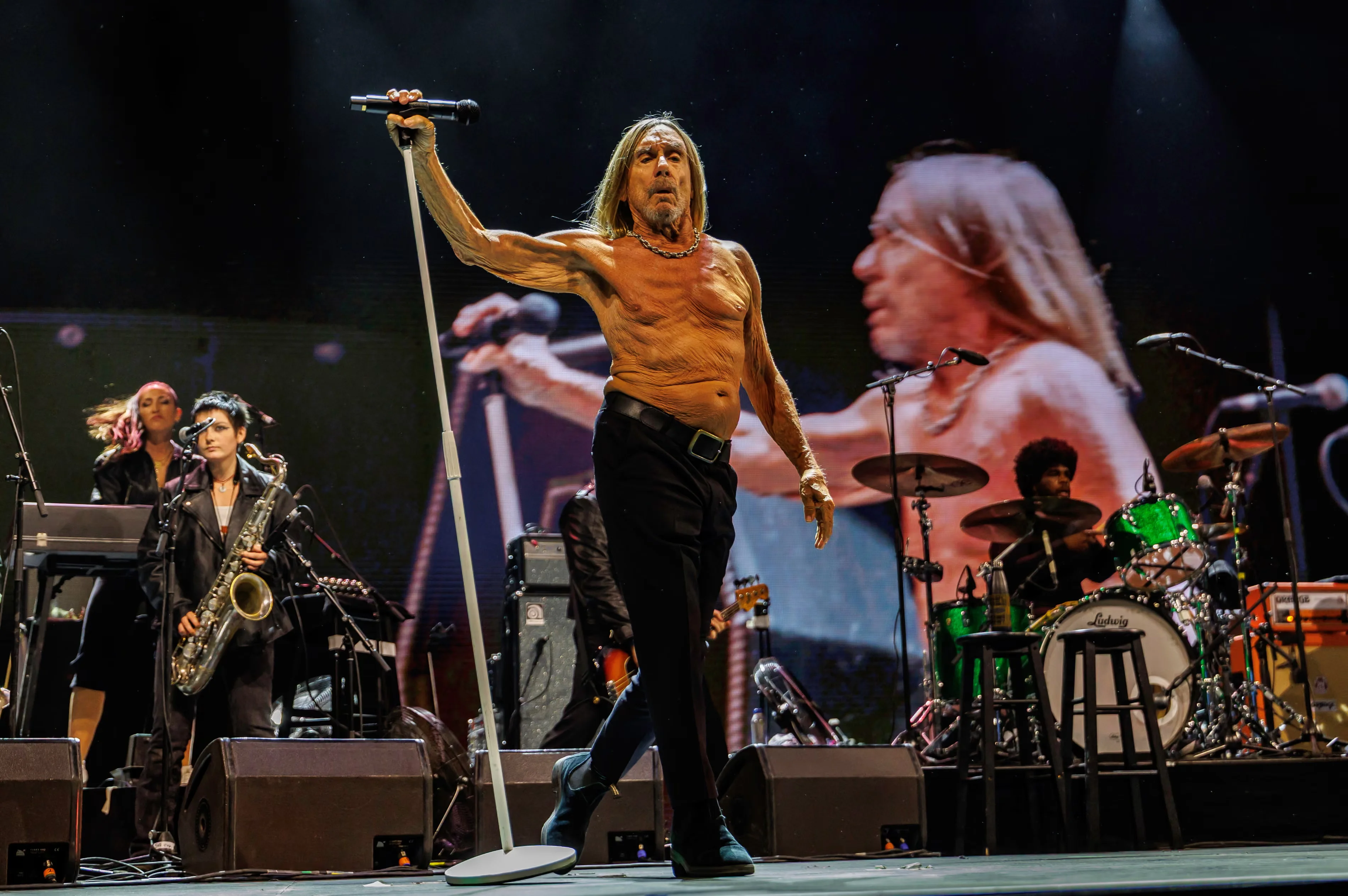 Iggy Pop. Photograph: Christopher Polk/Billboard/Getty Images
New debuts emphasize global market reach
While nostalgia was a primary theme, the festival also utilized its global platform to launch several high-profile debuts. These sets often featured international collaborations and unexpected guest appearances, reinforcing Coachella's role as a global launchpad rather than just a regional music event.
These debuts were strategically placed to bridge the gap between legacy fans and younger attendees. By pairing a roster of diverse global talent with the reliability of established headliners, the festival managed to maintain a "boisterous energy" despite the logistical hurdles. This balance is critical for Coachella as it navigates the transition from a trend-focused youth event to a multi-generational cultural institution.
 Kevin Mazur/Getty Images; Christopher Polk/Billboard; Frazer Harrison/Getty Images
Unresolved questions heading into weekend two
Despite the critical success of weekend one, several operational questions remain for the festival’s second half. It is currently unclear how organizers will adjust stage schedules or technical setups if the high-wind patterns persist into the following weekend.
Furthermore, while the "nostalgia-heavy" strategy appears to have resonated with the crowd, the long-term impact on the festival's ability to innovate remains under scrutiny by industry observers. The challenge for Coachella moving forward is to ensure that its reliance on "big stars" does not eventually crowd out the experimental and emerging talent that originally defined the festival's reputation.
Comments (0)
Please login to comment
Sign in to share your thoughts and connect with the community
Loading...