
Pandemic PhDs: Graduates Anxious Yet Optimistic for Future

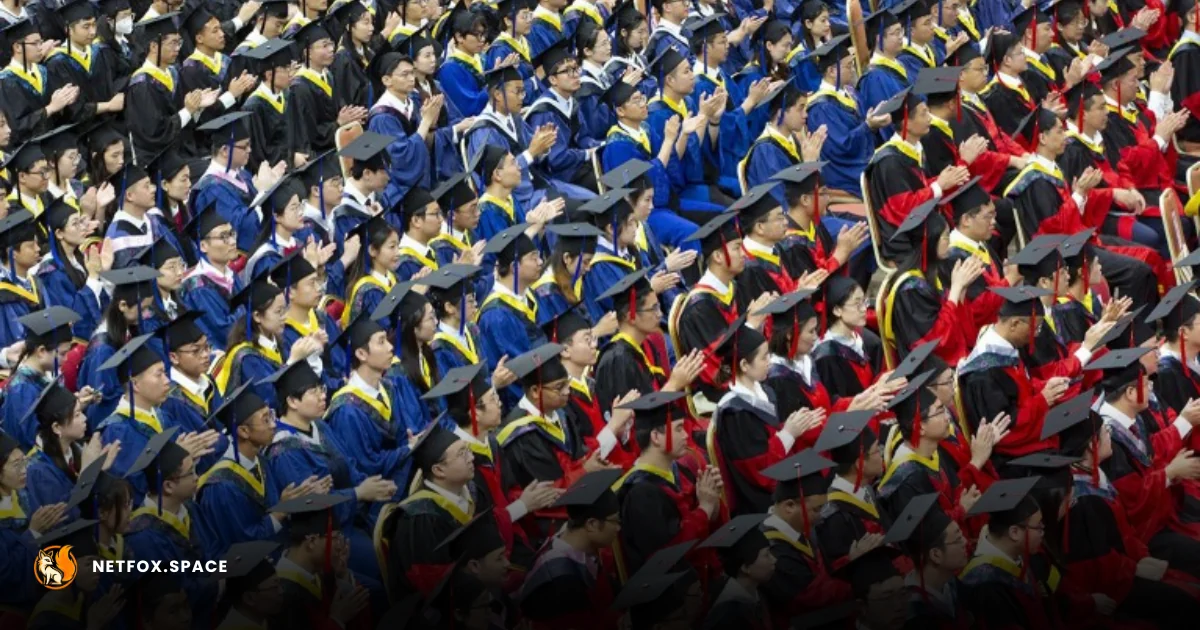
The "COVID cohort"—a generation of doctoral students whose research was upended by global lockdowns and laboratory closures—is finally entering the professional workforce. A new report published this week in Nature profiles five early-career scientists who describe a landscape defined by lingering pandemic shadows, funding uncertainty, and a radical shift in how they view their roles in the global scientific community.
While the immediate health crisis has receded, its "ripples" continue to disrupt the traditional academic pipeline. For many, the transition from student to professional has been marked by a blend of systemic anxiety and a hard-won, pragmatic optimism born from years of navigating a stalled system.
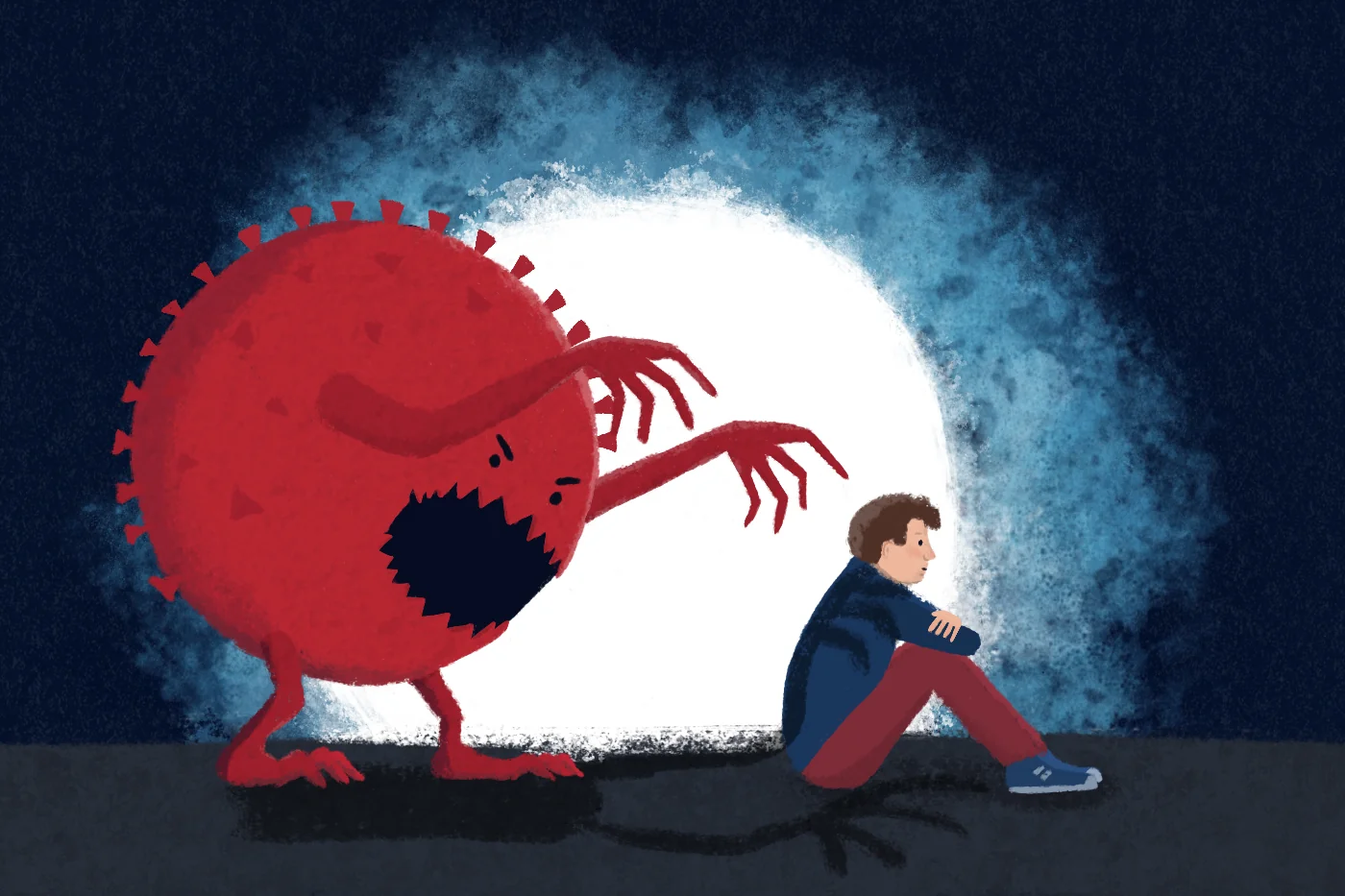 The Lingering 'Pandemic Shadow' on Research
The Lingering 'Pandemic Shadow' on Research
The primary challenge cited by the latest graduates is the cumulative loss of critical research time. Laboratory shutdowns in 2020 and 2021 did more than delay data collection; they severed the informal mentorship networks and collaborative environments essential for early-career development.
According to data from the 2026 graduate outlook report, these delays have led to a "bottleneck" in the job market. A surplus of graduates, whose degrees were delayed by 12 to 24 months, is now competing for a stagnant number of tenure-track positions. Many respondents noted that traditional evaluation metrics—often based solely on publication counts—feel increasingly misaligned with the realities of research disruptions.
 Visa Constraints and Funding Gaps
Visa Constraints and Funding Gaps
International graduates face a dual burden of bureaucratic and financial hurdles. Visa constraints, compounded by geopolitical shifts and administrative backlogs, have forced many researchers to reconsider where they can realistically practice their science. For those reliant on external grants, the shifting priorities of funding bodies toward "pandemic preparedness" and "emergency response" has left some traditional fields, particularly in the humanities and basic social sciences, facing significant shortfalls.
Some graduates reported that "under different circumstances, I might easily have left science." The decision to stay is often driven by a deep personal commitment to the subject matter rather than confidence in the current academic career path itself. The path forward is increasingly viewed through a lens of "practical survival" rather than a guaranteed trajectory toward a professorship.
Primary Concerns of Post-Pandemic PhD Graduates
| Category of Concern | Key Impact Factors | Sentiment |
|---|---|---|
| Funding Stability | Shifting grant priorities / Grant "bottlenecks" | High Anxiety |
| Career Path | Oversaturated job market / Pivot to industry | Cautious |
| Mental Health | Burnout / Loss of community support | Significant |
| Logistics | Visa delays / Travel restrictions | Frustrated |
| Evaluation | Rigid publication metrics vs. reality | Demand for Change |
Resilience and the Rise of Pragmatic Optimism
Despite the hurdles, a surprising theme of optimism has emerged among the "pandemic PhDs." The crisis forced a rapid digital transformation that has allowed for more flexible, global collaboration. Early-career scientists are now more likely to embrace "non-traditional" career paths in industry, policy, or science communication, viewing their doctoral degree as a versatile credential rather than a singular ticket to a life in academia.
This shift suggests that the 2026 cohort may be among the most resilient in recent history. They have learned to navigate systemic failures before their careers even truly began, equipping them with a degree of adaptability that the rigid academic structures of the past rarely demanded.
A Systemic Shift in the Scientific Pipeline
The experiences of these five scientists serve as a bellwether for academic institutions worldwide. The traditional "publish or perish" model is under immense strain, and as the pandemic cohort moves into leadership roles, there is a growing expectation that the "practical hurdles" for staying in science—funding uncertainty, age limits, and visa obstacles—will be addressed.
The future of global research may depend not on the volume of papers produced, but on the ability of the academic system to retain its most resilient and adaptable minds. Will the institution adapt its metrics to support this new reality, or will it continue to push its most promising graduates into the arms of a more flexible private sector?
Comments (0)
Please login to comment
Sign in to share your thoughts and connect with the community
Loading...