

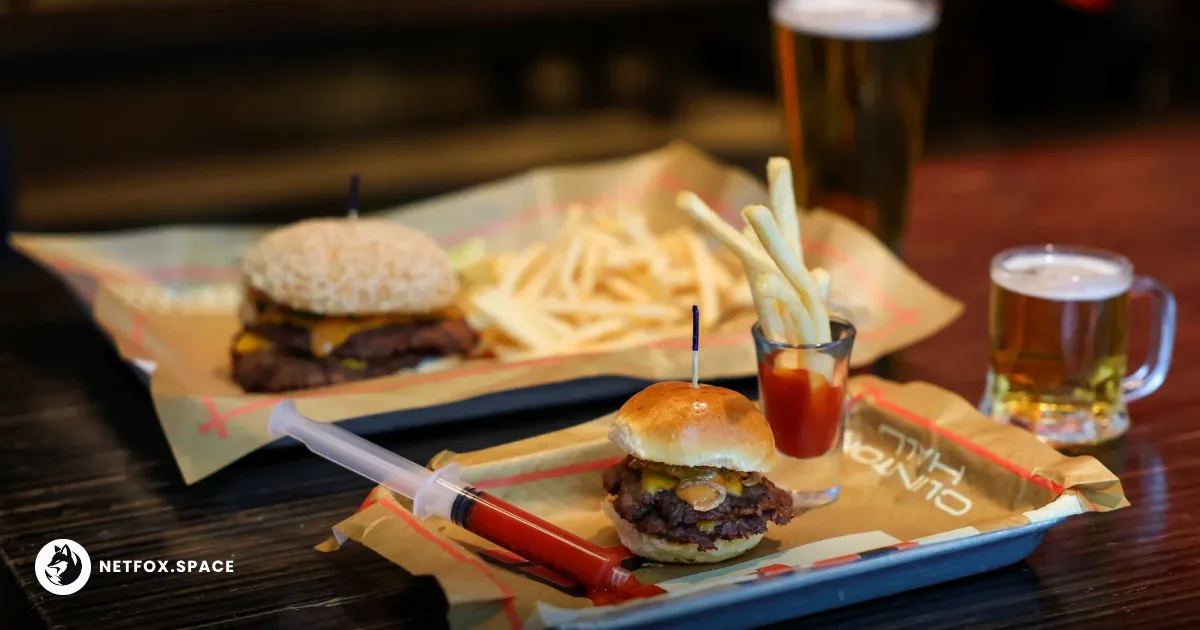
The Biological Shift in Consumer Caloric Demand
The rapid proliferation of GLP-1 receptor agonists, such as semaglutide and tirzepatide, is moving beyond a medical trend into a systemic disruption of the consumer packaged goods (CPG) and restaurant industries. As these medications suppress appetite and slow gastric emptying, millions of Americans are experiencing a fundamental shift in biological cravings, moving away from high-sugar, ultra-processed foods.
Data indicates a measurable decline in basket sizes for snack-heavy categories, forcing brands like Nestlé and Conagra Brands to re-evaluate their product portfolios. This is not merely a diet fad but a pharmacological intervention that permanently alters the volume of food consumed per capita.
 Michael Siluk | UCG | Universal Images Group | Getty Images
Strategic Realignment of Quick-Service Restaurants
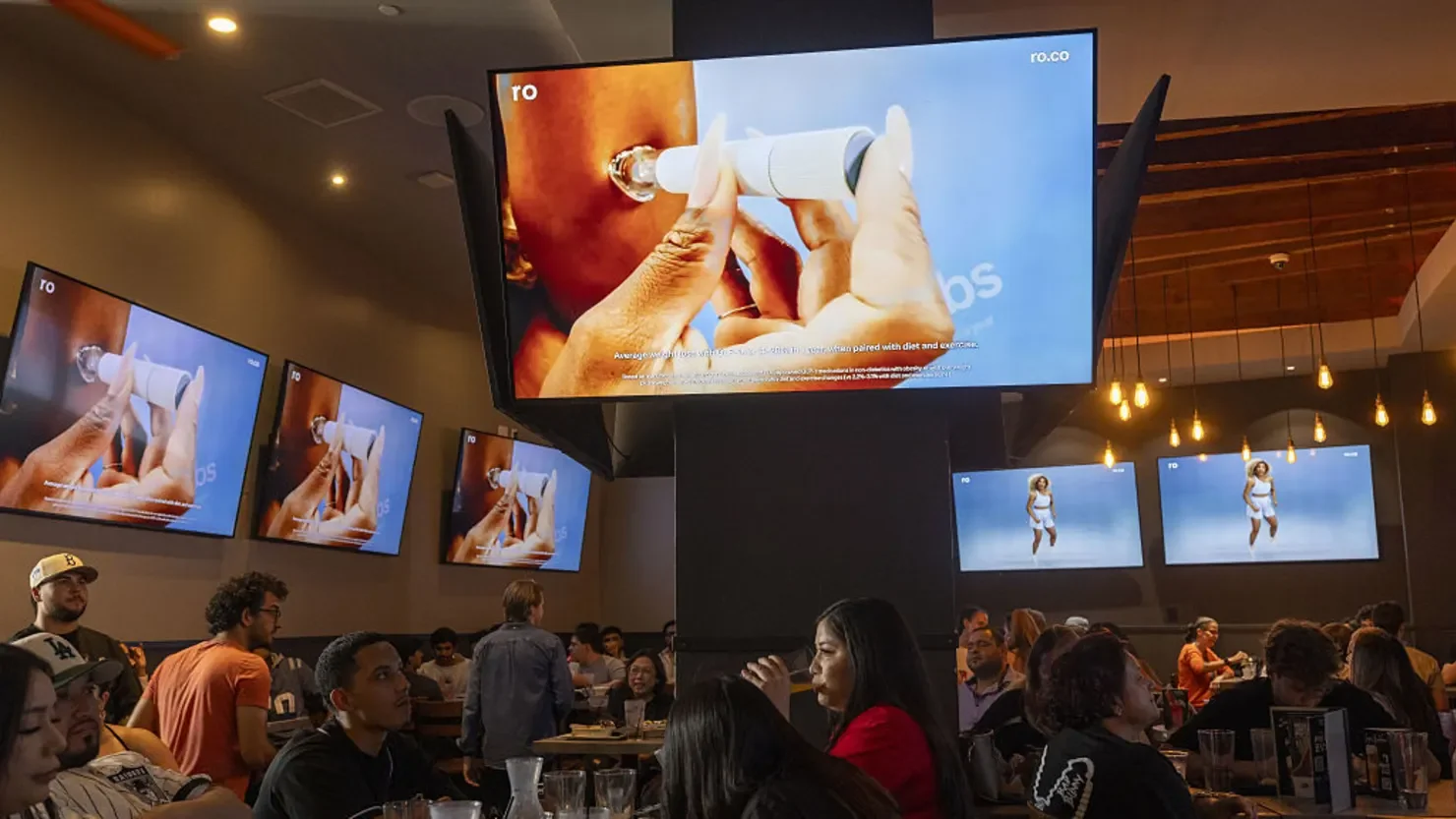
Major players in the Quick-Service Restaurant (QSR) sector are launching specialized menus to capture the "GLP-1 dollar." On March 21, 2026, industry reports highlighted that chains are increasingly pivoting toward "portion-controlled" and "nutrient-dense" options.
Sweetgreen and Chipotle Mexican Grill have already begun emphasizing lean proteins and high-fiber grains, which are essential for patients losing weight rapidly to prevent muscle mass depletion (sarcopenia). The focus has shifted from "more for less" to "quality over quantity," as the value proposition of the "Super Size" era loses its biological appeal to a medicated workforce.
The "Protein Gap" and Nutritional Bioavailability
What competitors and standard news outlets are overlooking is the emerging "Protein Gap." When patients on GLP-1s reduce their total caloric intake by 20% to 30%, the nutrient density of their remaining meals becomes a critical health factor rather than a lifestyle choice.
Food manufacturers are now racing to solve the "bioavailability" problem how to pack 30 grams of protein and 10 grams of fiber into a 300-calorie serving that still tastes palatable to a suppressed palate. We are seeing a structural shift from "low-fat" or "low-carb" marketing toward "protein-protection" branding. This represents a transition from exclusionary dieting (avoiding bad things) to mandatory inclusion (ensuring life-sustaining nutrients), creating a massive opening for specialized supplement and meal-replacement startups.
 Jill Connelly | Bloomberg | Getty Images
Financial Exposure and Market Volume Risk
The packaged food sector faces a unique financial exposure: the decoupling of price and volume. For decades, growth was driven by increasing the frequency of consumption. With GLP-1s, volume is inherently capped by the consumer's biology.
| Industry Segment | Risk Level | Primary Adaptation Strategy |
|---|---|---|
| Salty Snacks | High | Shifting to baked, high-protein legume bases |
| Confectionery | High | Size reduction; "premiumization" of dark chocolates |
| Fast Casual | Moderate | Custom "Power Bowls" with double protein options |
| Frozen Foods | Low | Development of GLP-1 specific companion meals |
Companies that fail to pivot to high-margin, low-volume "functional foods" face a long-term erosion of earnings as the total addressable "stomach share" in the United States continues to shrink.
 Smith Collection | Gado | Archive Photos | Getty Images
Regulatory Pressure on Ultra-Processed Food Labels
As the U.S. Food and Drug Administration (FDA) monitors the long-term effects of these drugs, there is a growing dialogue regarding the labeling of Ultra-Processed Foods (UPFs). The success of GLP-1s has highlighted the addictive nature of certain food formulations, potentially inviting stricter regulations or "sin taxes" on high-sugar products similar to tobacco legislation.
The biotech sector and the food industry are becoming inextricably linked; food is increasingly being viewed through the lens of metabolic health rather than just sustenance. This regulatory scrutiny will likely accelerate the decline of traditional "junk food" marketing, as health outcomes become a measurable metric for insurance companies and employers covering the cost of weight-loss medications.
Long-Term Structural Consequences
The persistence of GLP-1 usage suggests a permanent contraction in traditional caloric consumption patterns across the American landscape. If a significant percentage of the population remains on these medications long-term, the food industry's reliance on "heavy users" the small percentage of consumers who buy a disproportionate amount of snacks will collapse. This leaves the sector in a state of precarious transformation, where the only path to survival is the aggressive acquisition of health-focused brands and the total reformulation of legacy products to meet the strict nutritional requirements of a metabolically altered public.
Comments (0)
Please login to comment
Sign in to share your thoughts and connect with the community
Loading...