

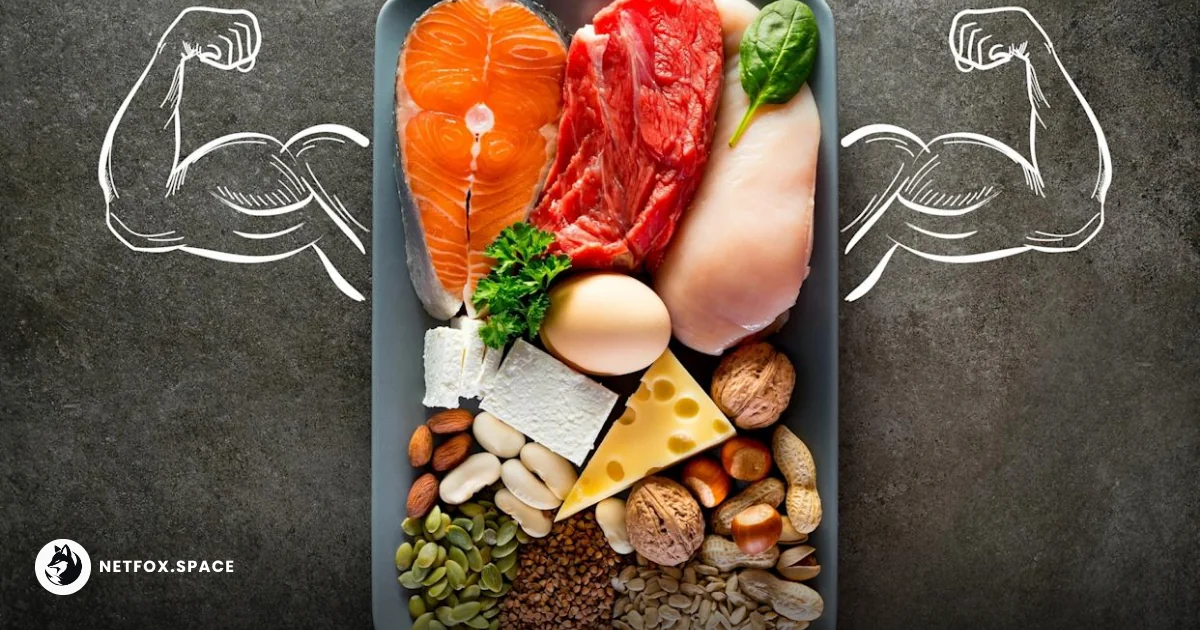
The Mechanics of the Macro-Nutrient Pivot
The global food landscape is currently dominated by "protein fortification," a shift where legacy brands and startups alike inject whey, soy, or pea isolates into traditionally low-protein snacks. This movement is driven by a consumer shift away from simple carbohydrates toward protein, perceived as a universal "health halo."
Dr. James O’Donovan, a prominent medical educator, notes that the average adult requires approximately 0.75g of protein per kilogram of body weight. However, the proliferation of high-protein cookies, coffees, and cereals has pushed daily consumption far beyond these physiological requirements for the average sedentary or moderately active individual.
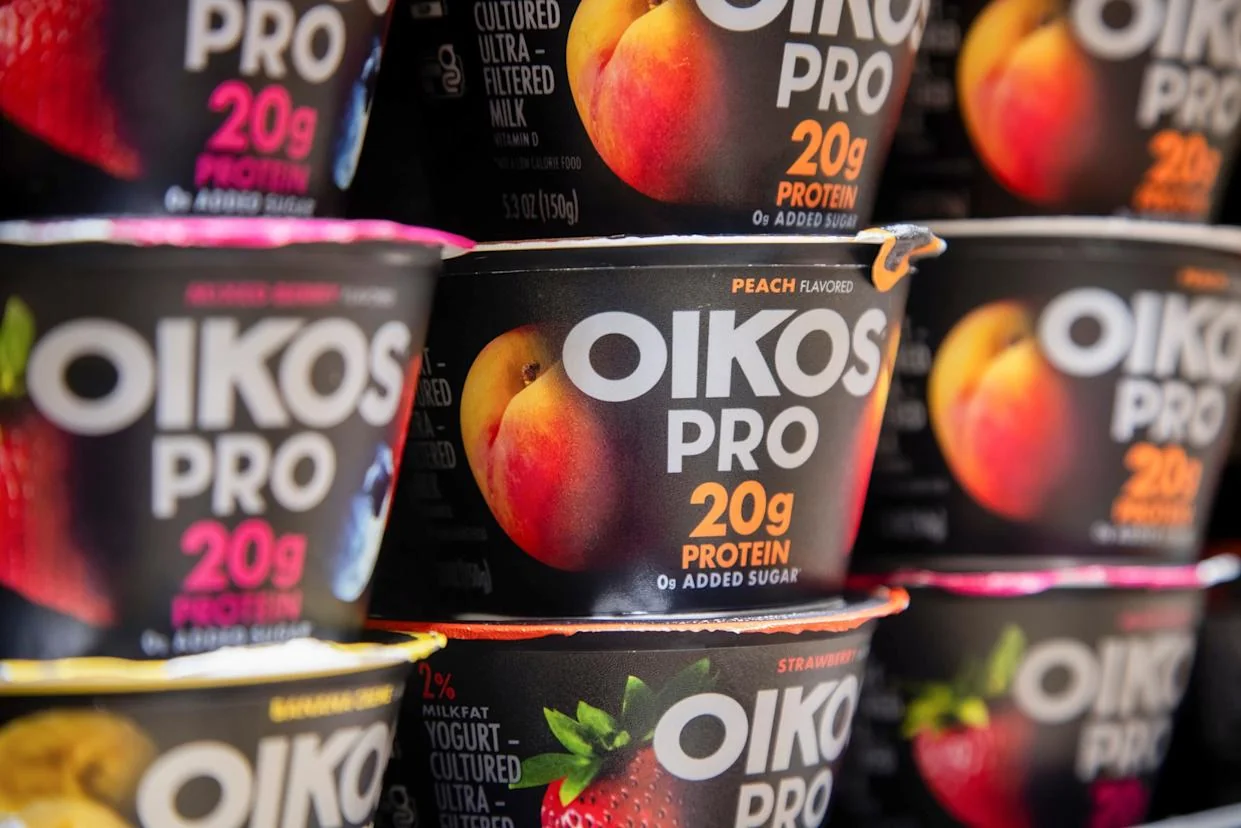 Michael Nagle/Bloomberg via Getty Images - PHOTO: Oikos Pro yogurt at a grocery store in New York, Sept. 9, 2025.
Metabolic Thresholds and the Risk of Nitrogenous Waste
While protein is essential for muscle repair and enzymatic function, the human body lacks a specialized storage system for excess amino acids. When intake exceeds the liver's processing capacity and the kidneys' filtration rate, the body must deaminate these proteins, converting them into urea for excretion.
In extreme cases, this leads to "protein poisoning" or rabbit starvation, characterized by nausea, headache, and fatigue. For the general healthcare sector, the primary concern is not acute toxicity but the long-term strain on the renal system, particularly for individuals with undiagnosed pre-existing kidney conditions who are now consuming double their recommended daily allowance via processed supplements.
 Magda Tymczyj/STOCK PHOTO/Getty Images - PHOTO: Stock photo of a grilled chicken salad with black beans, avocado and corn.
The "Pro-Up" Paradox: Nutrients vs. Additives
What many market analysts and health influencers overlook is the "compositional trade-off" inherent in protein-enriched products. To maintain palatability while increasing protein content, manufacturers often rely on Ultra-Processed Foods (UPF) frameworks.
-
Artificial Sweeteners: Used to offset the bitter notes of plant-based protein isolates.
-
Emulsifiers: Necessary to prevent protein sedimentation in "pro-up" beverages.
-
Sodium Density: Often elevated to improve the texture of protein-dense shelf-stable snacks.
This creates a nutritional paradox where the benefit of the added protein is biologically offset by the inflammatory response triggered by the high degree of processing. The result is a "health" product that may contribute to metabolic syndrome despite its favorable macronutrient ratio.
Sector-Wide Shift: From Supplementation to Bioavailability
The biotech and nutrition sectors are beginning to pivot toward "bioavailability" rather than raw mass. Investors are increasingly looking at precision fermentation and mycelium-based proteins that offer complete amino acid profiles without the digestive distress associated with heavy whey consumption.
The global wellness market is also seeing a resurgence in "whole-food synergy"—the concept that protein is most effective when consumed alongside the fiber and micronutrients found in its natural state. This represents a direct challenge to the "scoop and shake" culture that has dominated the last decade.
| Population Segment | Recommended Intake (g/kg) | Current Estimated Trend (g/kg) | Primary Risk Factor |
|---|---|---|---|
| Sedentary Adults | 0.75 - 0.8 | 1.2 - 1.5 | Renal Strain / Weight Gain |
| Endurance Athletes | 1.2 - 1.4 | 1.8 - 2.2 | Dehydration |
| Resistance Trainers | 1.6 - 2.2 | 2.5 - 3.0+ | Digestive Dysbiosis |
 myfitnesspal
The Regulatory Horizon for Macro-Labeling
As the "protein craze" matures, regulatory bodies such as the Food and Drug Administration (FDA) and the European Food Safety Authority (EFSA) are facing pressure to refine labeling requirements. Current "High Protein" claims do not account for the quality of the source or the presence of deleterious additives.
The next phase of the nutritional market will likely involve stricter definitions of "functional protein," potentially requiring brands to disclose the leucine content or the PDCAAS (Protein Digestibility Corrected Amino Acid Score) to prevent consumer deception.
Comments (0)
Please login to comment
Sign in to share your thoughts and connect with the community
Loading...