

The Convergence of Macronutrient Density and Lipid Management
The traditional Mediterranean Diet has long been codified as the gold standard for cardiovascular longevity, primarily through its emphasis on monounsaturated fats and polyphenols. However, a significant shift in clinical nutrition is now prioritizing protein density targeting 25–30% of total caloric intake to combat sarcopenic obesity and insulin resistance.
By integrating high-protein sources like legumes, lean poultry, and omega-3-rich seafood, these dietary patterns provide the essential amino acids required for tissue repair without the inflammatory markers associated with red meat. This dual-action approach targets the Cardiovascular System by reducing low-density lipoprotein (LDL) while simultaneously supporting metabolic rate.
 Photographer: Greg Dupree, Prop Stylist: Julia Bayless, Food Stylist: Chelsea Zimmer.
Metabolic Signaling and Endothelial Optimization
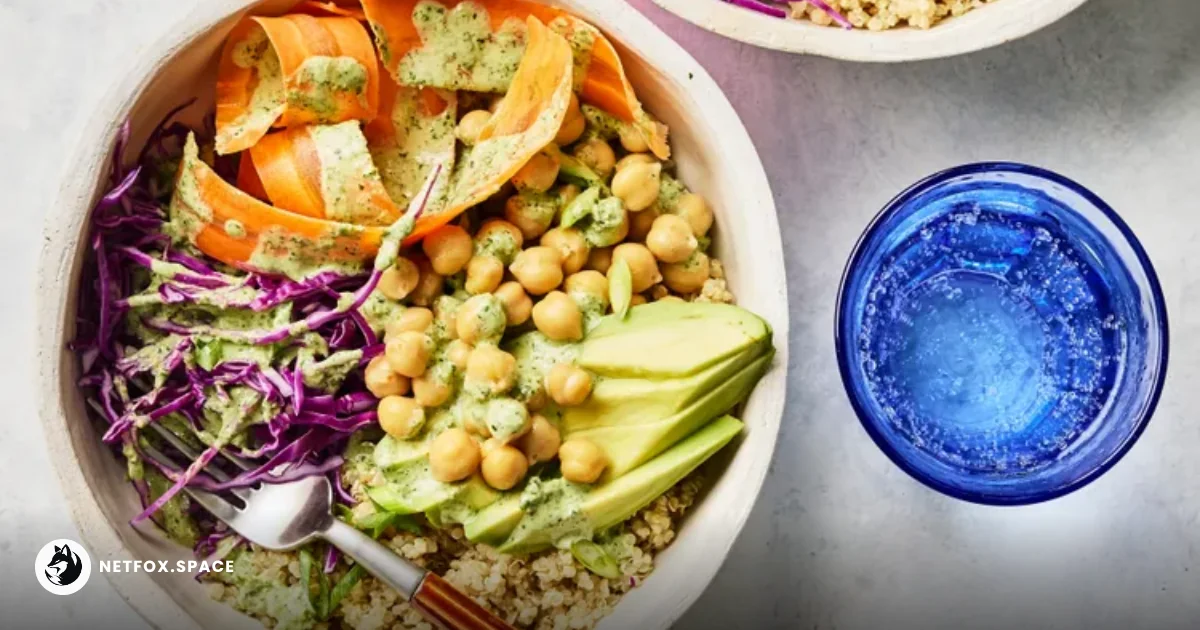
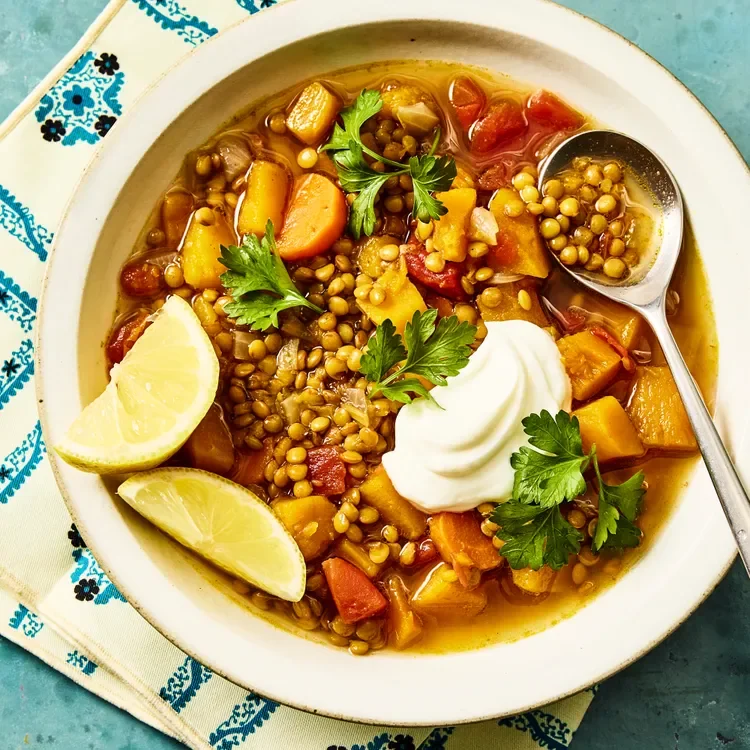
The efficacy of a high-protein Mediterranean approach lies in its impact on Endothelial Function. High-quality proteins sourced from the Mediterranean pyramid such as chickpeas, lentils, and Atlantic salmon contain high concentrations of L-arginine, a precursor to nitric oxide.
Increased nitric oxide bioavailability facilitates vasodilation, which directly correlates to lower systemic blood pressure. Furthermore, the high fiber content inherent in Mediterranean plant proteins modulates the glycemic response, preventing the insulin spikes that contribute to arterial stiffness and chronic low-grade inflammation.
 Photographer: Morgan Hunt Ward, Prop Stylist: Priscilla Montiel, Food Stylist: Chelsea Zimmer.
The Bioavailability Gap: Why Diversified Protein Sources Win
Standard dietary advice often ignores the "Protein Quality Score" (DIAAS), focusing solely on gram counts. The Mediterranean framework excels by combining complementary proteins such as grains and legumes to ensure a complete profile of essential amino acids.
Comparison of Protein Sources in Heart-Healthy Contexts
| Protein Source | Primary Heart Benefit | Amino Acid Profile | Inflammatory Index |
|---|---|---|---|
| Fatty Fish | Omega-3 EPA/DHA | Complete | Anti-inflammatory |
| Legumes | Soluble Fiber / Saponins | High Lysine | Neutral |
| Greek Yogurt | Probiotics / Calcium | Complete | Neutral to Anti-inflammatory |
| Nuts/Seeds | Magnesium / ALA | High Arginine | Anti-inflammatory |
 Photographer: Morgan Hunt Ward, Prop Stylist: Keoshia McGhee, Food Stylist: Emily Nabors Hall.
Structural Shifts in Preventative Cardiology
What many mainstream health discussions overlook is the role of protein in maintaining "Leanness of Mass" during weight loss interventions. In the Preventative Cardiology sector, the concern is often that rapid weight loss leads to the loss of cardiac muscle fibers or skeletal muscle, which can impair overall metabolic health.
The high-protein Mediterranean iteration solves this by providing enough leucine to trigger muscle protein synthesis. This structural preservation is critical for elderly populations where heart health is inextricably linked to physical mobility and the prevention of frailty-related cardiovascular stress.
 Photographer: Ali Redmond.
Long-Term Integration and Systemic Barriers
As global health systems grapple with rising rates of Type 2 Diabetes and Hypertension, the transition toward nutrient-dense, high-protein patterns faces logistical hurdles. The cost of fresh, high-protein Mediterranean staples can be a barrier in lower-socioeconomic regions, potentially widening the health-inequity gap in cardiovascular outcomes.
The evolution of this diet from a regional tradition to a clinical prescription marks a turning point in nutritional science. However, the long-term success of these interventions depends on the ability of the Global Food Supply Chain to provide sustainable, affordable access to high-quality proteins beyond processed alternatives.
Comments (0)
Please login to comment
Sign in to share your thoughts and connect with the community
Loading...