


Escalation of Viral Transmission in Washtenaw County
The Washtenaw County Health Department has identified a fourth suspected case of rubeola (measles), marking a significant escalation in local transmission within Southeast Michigan. This latest development follows a cluster of cases that began in late February 2026, prompting immediate intervention from state epidemiological teams.
The individual was present at several high-traffic locations in Ann Arbor and Ypsilanti while infectious. Health officials have specified that the window of exposure spans from March 15 through March 19, 2026, targeting specific retail and healthcare settings where the airborne virus may have lingered.
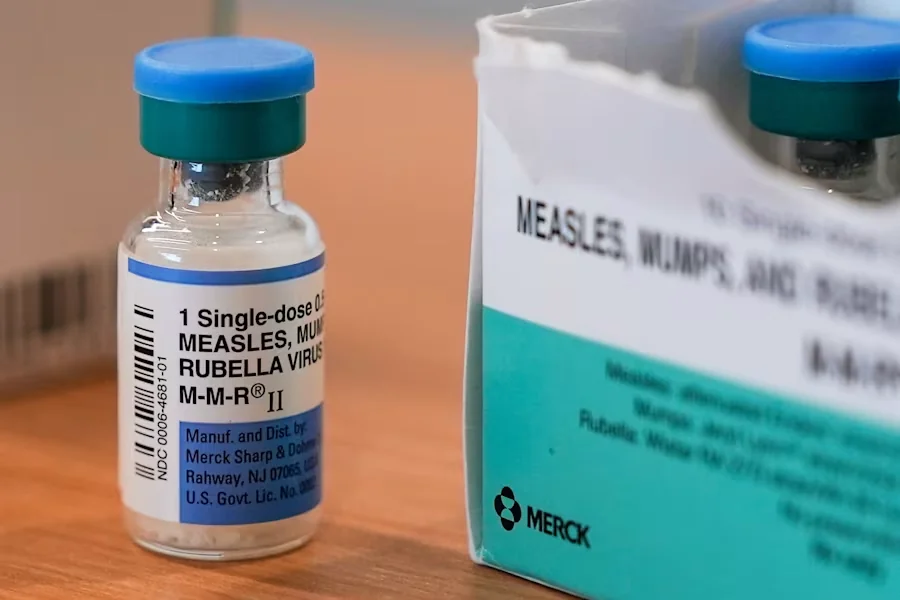 FILE - A vial of the measles, mumps and rubella vaccine is on display at the Lubbock Health Department, Feb. 26, 2025, in Lubbock, Texas. (AP Photo/Mary Conlon, File) (Mary Conlon, Copyright 2025 The Associated Press. All rights reserved)
Geographic Mapping of High-Risk Exposure Sites
Environmental health officers have prioritized several locations for public notification due to the high density of foot traffic and the prolonged stability of the measles virus in enclosed spaces. The virus can remain suspended in the air for up to two hours after an infected person has vacated the premises.
The primary exposure sites identified include a major grocery chain on Washtenaw Avenue and a multi-specialty clinic affiliated with the University of Michigan Health System. Individuals who visited these sites during the specified timeframes are urged to review their vaccination records immediately, specifically looking for documentation of the Measles, Mumps, and Rubella (MMR) vaccine.
The "Immunity Gap" in Regional Public Health
While primary reporting focuses on specific locations, the broader concern involves the "critical threshold" of herd immunity. For measles, a highly contagious respiratory virus, a community requires a 95% vaccination rate to prevent sustained outbreaks.
Current data suggests that specific pockets within the Michigan Department of Health and Human Services (MDHHS) jurisdiction have fallen below this 95% threshold. This structural vulnerability is not merely a result of "vaccine hesitancy" but is increasingly linked to "access fatigue" and a decline in routine pediatric screenings following the mid-2020s healthcare shifts. The current outbreak serves as a diagnostic indicator of broader systemic failures in maintaining baseline preventative care in affluent university-adjacent demographics.
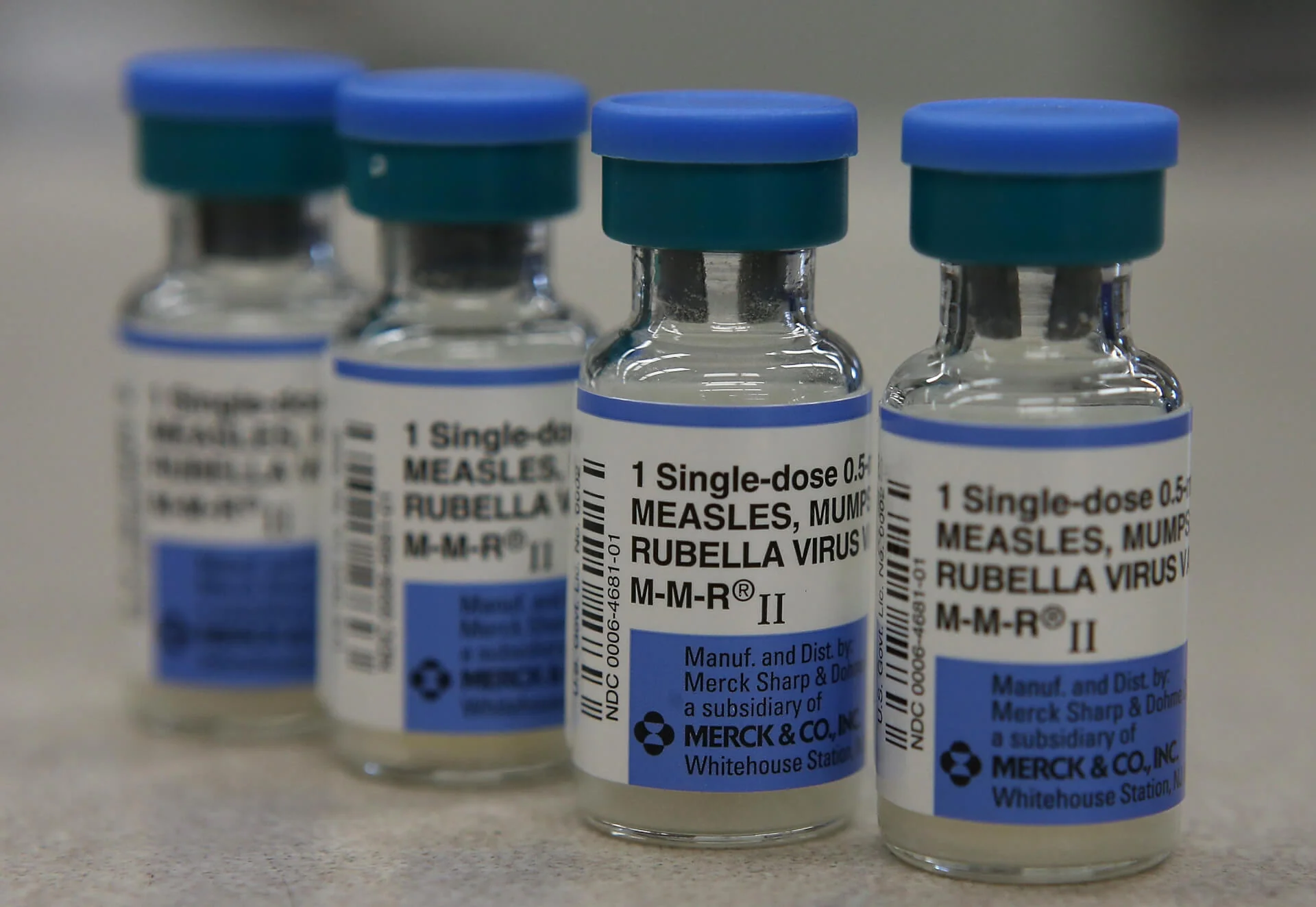 Vials of measles, mumps and rubella vaccine are displayed on a counter at a Walgreens Pharmacy on January 26, 2015 | Photo by Illustration Justin Sullivan/Getty Images
Pathophysiology and Clinical Timeline of Rubeola
The clinical progression of measles is distinct, beginning with a prodromal phase characterized by high fever, cough, coryza, and conjunctivitis. This is followed by the appearance of Koplik spots tiny white spots inside the mouth which serve as a definitive early warning sign before the characteristic maculopapular rash emerges.
| Phase | Duration | Primary Symptoms | Contagion Level |
|---|---|---|---|
| Incubation | 7–14 Days | Asymptomatic | Low |
| Prodromal | 2–4 Days | Fever, Cough, Koplik Spots | Extremely High |
| Exanthem | 3–5 Days | Maculopapular Rash | Extremely High |
| Recovery | 7–10 Days | Fading Rash, Desquamation | Declining |
Systemic Implications for the Biotechnology Sector
The resurgence of measles in 2026 highlights a growing demand for next-generation rapid diagnostic kits. Traditional laboratory confirmation via RT-PCR or IgM antibody testing often takes 24 to 48 hours, a delay that allows for secondary and tertiary transmission cycles.
This outbreak is likely to accelerate regional investment in "point-of-care" molecular diagnostics. Companies within the biotech sector specializing in rapid respiratory panels are seeing increased procurement interest from municipal health boards aiming to bypass the logistical bottlenecks of centralized state labs. This shift represents a move toward a "proactive surveillance" model of public health, moving away from reactive emergency declarations.
Long-term Structural Risk and Regulatory Response
The Centers for Disease Control and Prevention (CDC) is currently monitoring the Washtenaw cluster for potential links to international travel or domestic "hotspots." If transmission continues into April 2026, Michigan may face revised school attendance mandates or heightened scrutiny regarding non-medical exemptions for vaccinations. The legal friction between individual parental rights and collective biosecurity remains a looming regulatory uncertainty that could redefine Michigan’s public health statutes by the end of the fiscal year.
Comments (0)
Please login to comment
Sign in to share your thoughts and connect with the community
Loading...