

The Clinical Selection: Essential Nutrient Densities
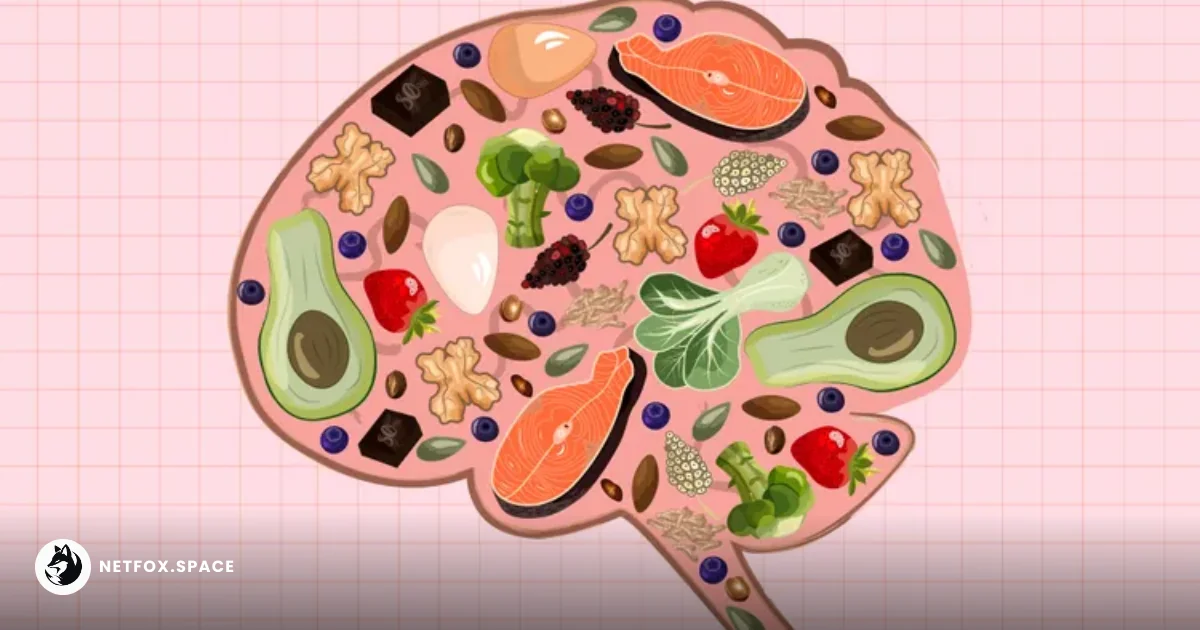
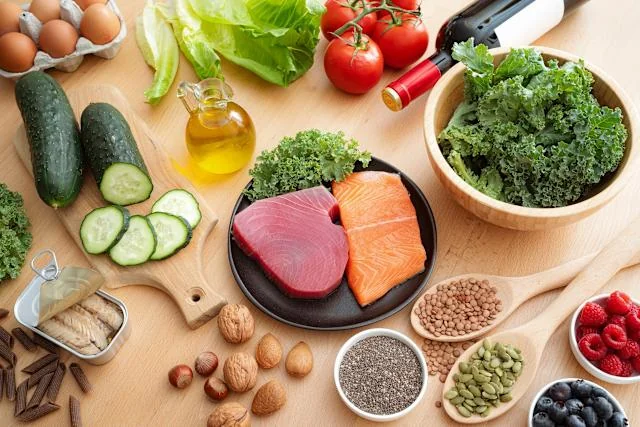
Top medical practitioners, including Dr. Brett Osborn and Dr. Dale Bredesen, emphasize a nutritional protocol centered on three specific categories: dark leafy greens, fatty fish, and berries. Unlike general wellness advice, this neurological focus targets the reduction of systemic inflammation and the optimization of neurotransmitter synthesis.
Recent clinical observations suggest that the high concentration of Vitamin K, lutein, and folate in greens like kale and spinach correlates with a slower rate of cognitive decline. These elements serve as the primary biochemical defense against cellular oxidative stress within the central nervous system.
Immediate Bioavailability and Synaptic Function
The inclusion of fatty fish specifically wild-caught salmon and sardines introduces high levels of Omega-3 fatty acids, primarily Docosahexaenoic acid (DHA). DHA is a structural component of the human brain, essential for maintaining the fluidity of cell membranes and facilitating rapid signal transmission between neurons.
Berries, particularly blueberries and strawberries, provide anthocyanins. These compounds cross the blood-brain barrier to directly interact with aging neurons, potentially improving memory signaling and glucose disposal within the brain’s metabolic pathways.
The Glycemic Defense: Why Neurologists Avoid Spikes
While traditional reporting focuses on what to eat, the deeper differentiation lies in the Insulin-Brain Axis. Neurologists are increasingly viewing Alzheimer’s Disease as "Type 3 Diabetes," a state where the brain develops insulin resistance.
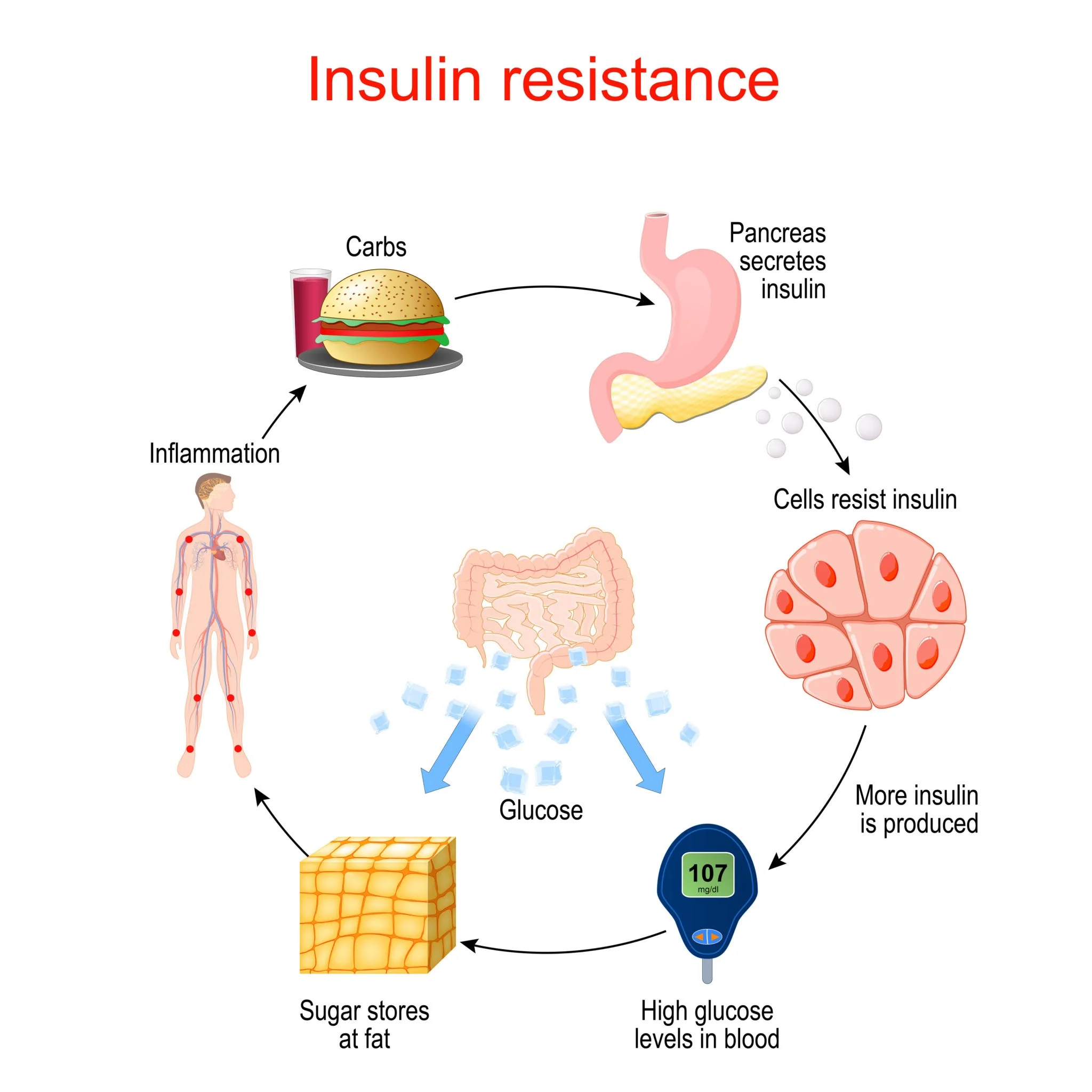
The "Go-To" foods mentioned by experts are strategically low-glycemic. By maintaining stable blood glucose levels, these foods prevent the formation of Advanced Glycation End-products (AGEs), which are known to stiffen blood vessels and impede cerebral blood flow. This structural approach shifts the focus from "eating for energy" to "eating for microvascular integrity."
Systemic Implications for the Global Healthcare Sector
The shift toward "Neurology-first" nutrition reflects a broader transition in the biotech and healthcare industries from reactive treatment to proactive neuroprotection. As global aging populations increase, the economic burden of neurodegenerative diseases is projected to overwhelm public health budgets.
Regulatory bodies and insurance providers are beginning to analyze the cost-benefit ratio of nutritional intervention versus late-stage pharmaceutical management. This systemic pivot places high-quality, nutrient-dense whole foods at the center of preventative clinical guidelines rather than as mere lifestyle supplements.
Comparative Nutrient Impact on Brain Structures
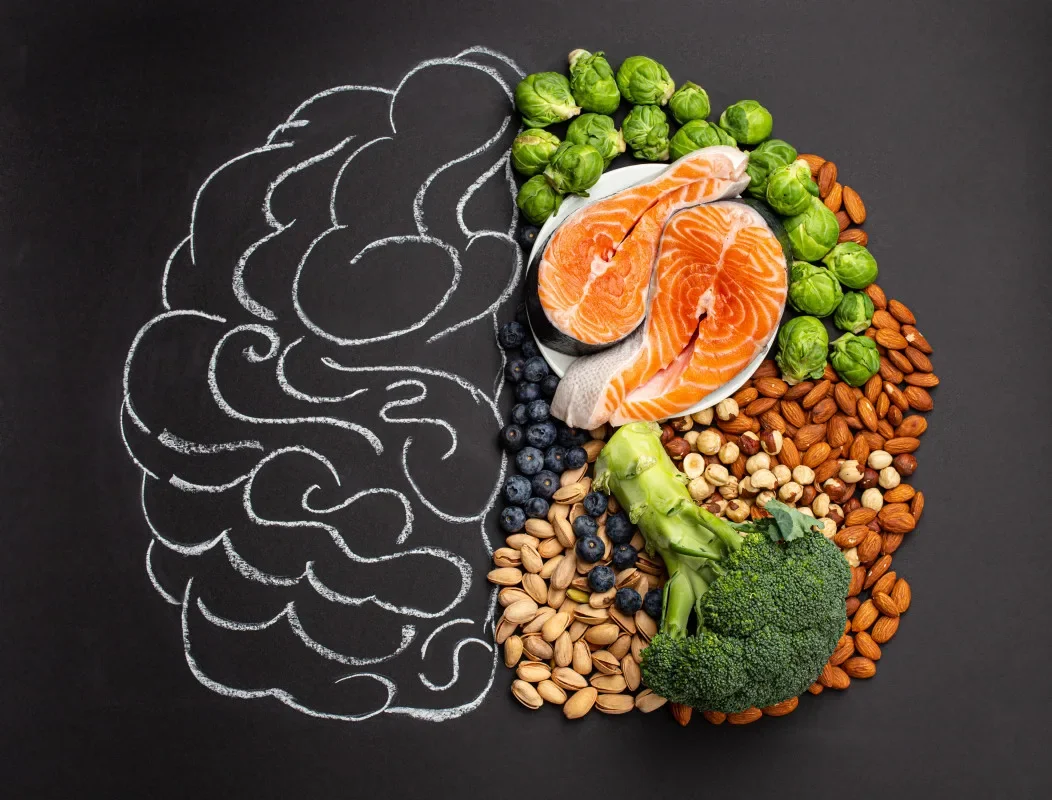
| Food Category | Primary Bioactive Compound | Primary Target Structure | Physiological Benefit |
|---|---|---|---|
| Leafy Greens | Phylloquinone (Vit K) | White Matter | Slows cognitive aging |
| Fatty Fish | EPA / DHA | Cell Membranes | Enhances synaptic plasticity |
| Berries | Anthocyanins | Hippocampus | Improves memory retrieval |
| Walnuts | Alpha-linolenic acid | Cerebral Vasculature | Lowers blood pressure |
The Future of Neuro-Nutrition and Metabolic Mapping
The next phase of cognitive health involves the integration of personalized metabolic testing with specific dietary protocols. As researchers further decode the gut-brain axis, the emphasis will likely move toward how individual microbiomes process these "brain foods" to produce neuroprotective metabolites.
The tension remains between current agricultural output and the nutritional density required for large-scale cognitive protection. As soil depletion impacts the mineral content of produce, the medical community faces a growing gap between clinical dietary recommendations and the actual nutrient availability in the global food supply chain.
Comments (0)
Please login to comment
Sign in to share your thoughts and connect with the community
Loading...