
Is Eating Avocado Daily Healthy? Nutritional Impacts Explained

Nutritional Profile of Persea Americana in Daily Diets
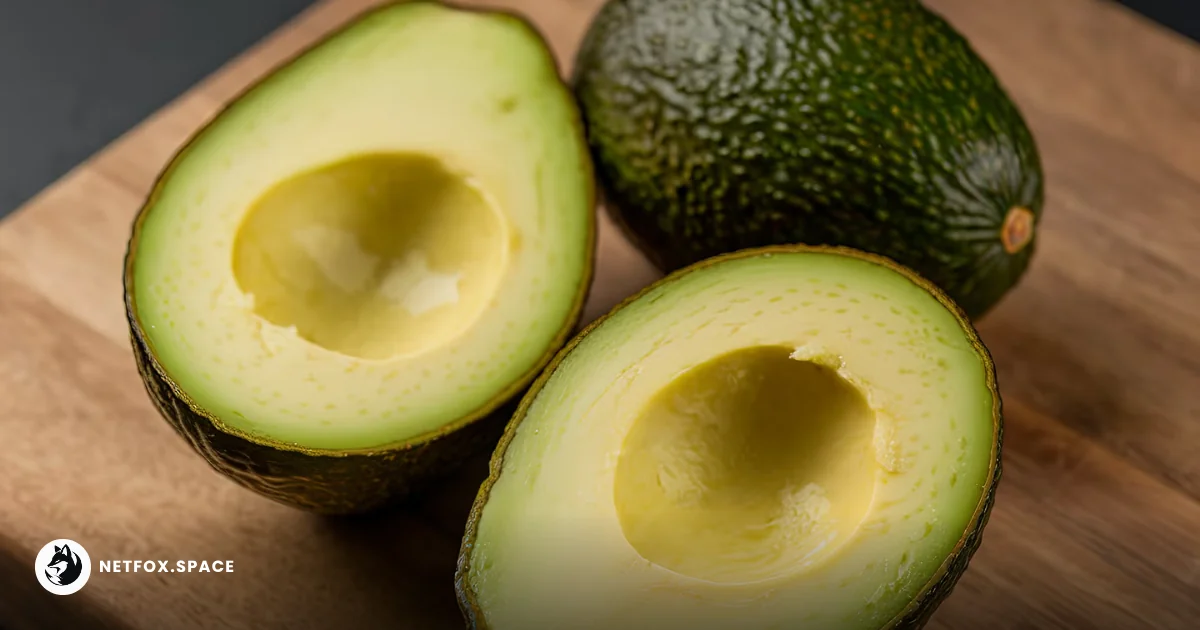
The Persea americana, commonly known as the avocado, represents a unique caloric structure within the fruit category, primarily dominated by lipids rather than carbohydrates. A standard serving provides approximately 160 calories, characterized by high concentrations of oleic acid, a monounsaturated fatty acid (MUFA) also found in olive oil.
Beyond healthy fats, daily consumption introduces significant levels of Vitamin K, Folate, and Potassium into the bloodstream. These micronutrients are essential for bone mineralization and regulating vascular tension, positioning the fruit as a functional food rather than a mere dietary supplement.
 Shutterstock
Cardiovascular Response to Monounsaturated Fat Loading
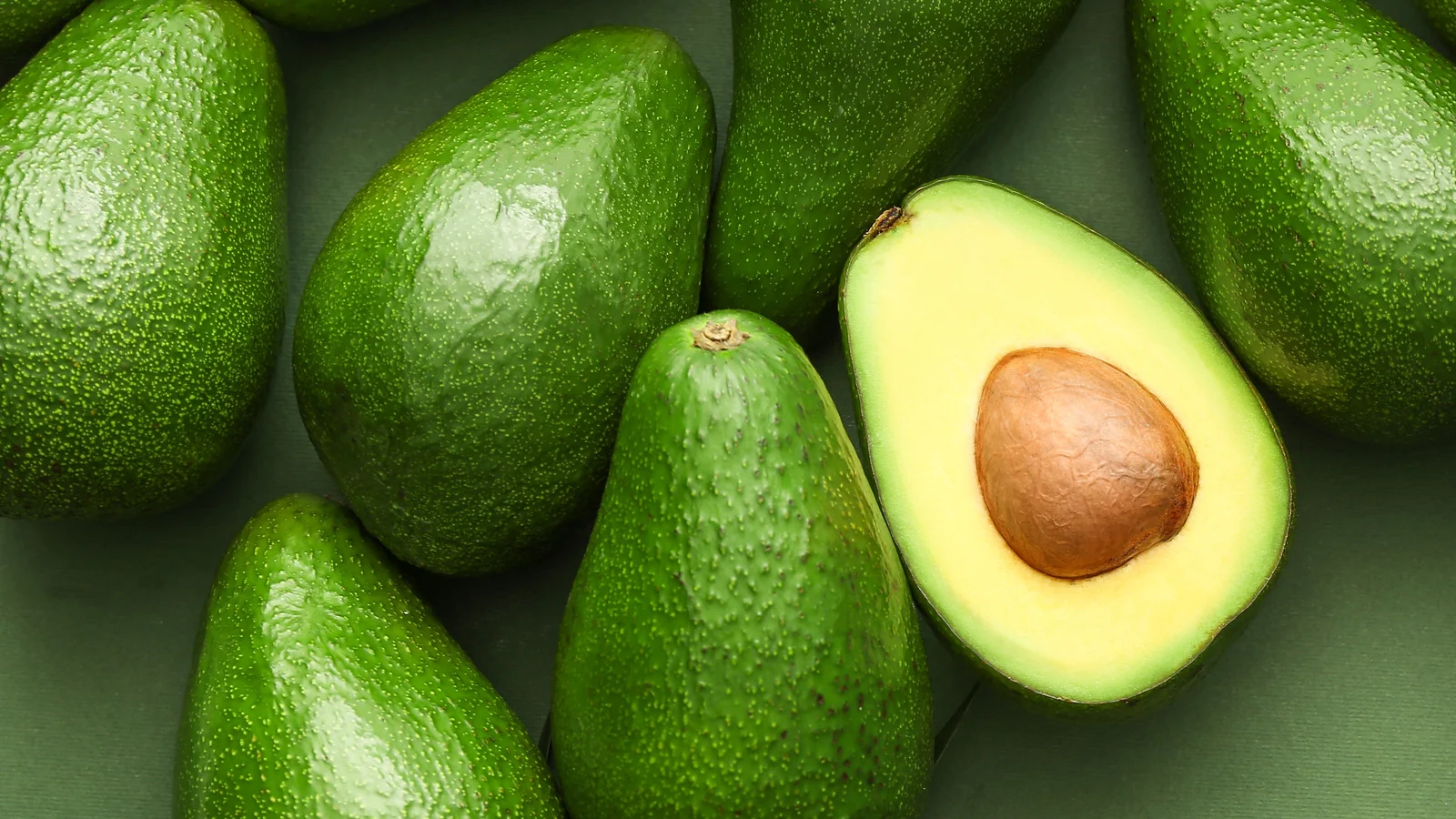
Integrating avocados into a 24-hour dietary cycle shifts the body's lipid processing mechanisms. Clinical observations suggest that replacing saturated fats with the MUFAs found in avocados can lead to a reduction in low-density lipoprotein (LDL) cholesterol, often referred to as "bad" cholesterol.
The high fiber content roughly 10 grams per fruit slows the absorption of glucose, preventing the insulin spikes common in high-carbohydrate breakfasts. This stabilizing effect on blood sugar levels reduces systemic inflammation and supports long-term endothelial function within the cardiovascular system.
 Getty Images
The Bioavailability Gap: What Most Health Guides Overlook
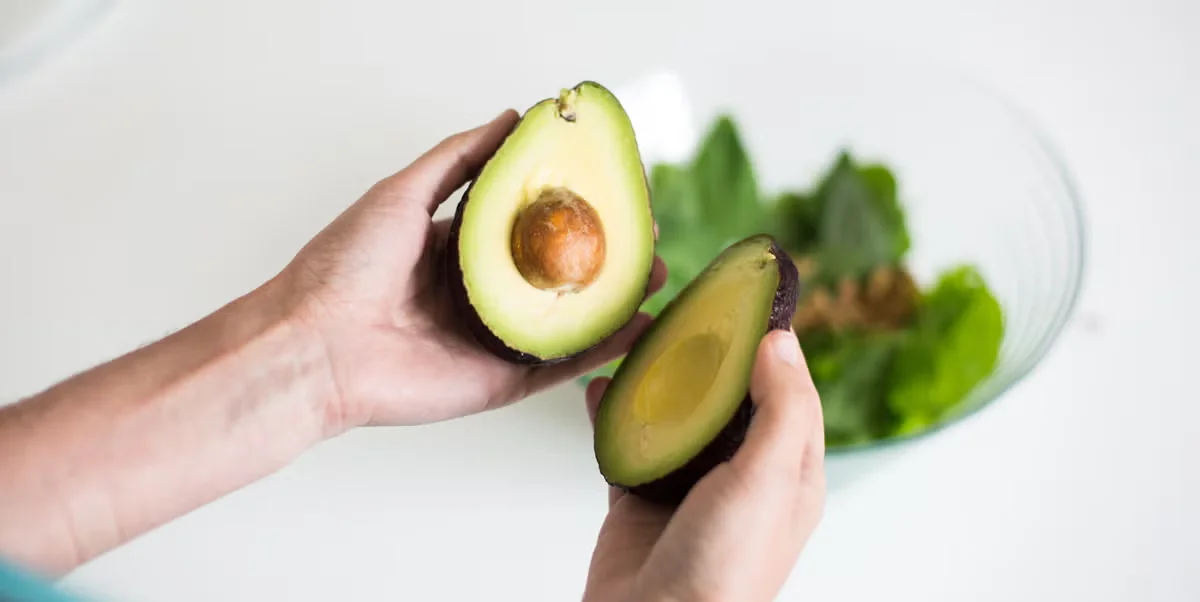
Standard nutritional advice focuses on what avocados contain, but rarely discusses their role as a "nutrient booster" for other foods. The fats in avocados are critical for the absorption of fat-soluble vitamins (A, D, E, and K) and antioxidants like carotenoids found in companion vegetables.
Without a lipid source, the body excretes a significant percentage of these fat-soluble compounds. By consuming avocado daily, individuals maximize the biological value of their entire meal, fundamentally altering the efficiency of the digestive system and enhancing cellular defense against oxidative stress.
 Getty Images
Comparative Fiber Density and Microbiome Diversity
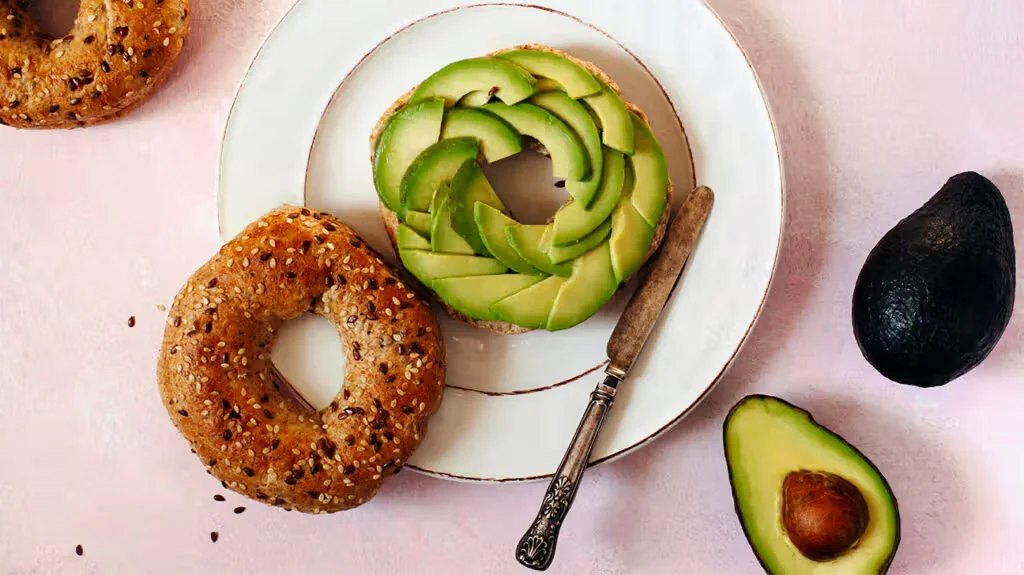
When compared to other common health foods, the avocado’s fiber-to-sugar ratio is exceptionally high. This specific fiber profile serves as a prebiotic, fueling beneficial bacteria in the gut microbiome, such as Faecalibacterium prausnitzii, which produces butyrate to protect the colon lining.
| Nutrient Component | Avocado (100g) | Apple (100g) | Banana (100g) |
|---|---|---|---|
| Total Fiber | 6.7g | 2.4g | 2.6g |
| Sugar | 0.7g | 10.4g | 12.2g |
| Monounsaturated Fat | 9.8g | 0.01g | 0.03g |
| Potassium | 485mg | 107mg | 358mg |
 Getty Images
Potential Risks of Caloric Surfeit and Micronutrient Balance
While the nutrient density is high, the "healthy fat" narrative can mask the risks of excessive caloric intake if not balanced against total daily energy expenditure. For individuals with specific kidney conditions, the high potassium levels in avocados may require clinical monitoring to avoid hyperkalemia.
Furthermore, the presence of antinutrients like persin, though largely harmless to humans in small amounts, highlights the need for moderation. The transition from beneficial supplementation to caloric surplus occurs rapidly if the avocado is added to an already high-fat diet rather than acting as a substitute for processed fats.
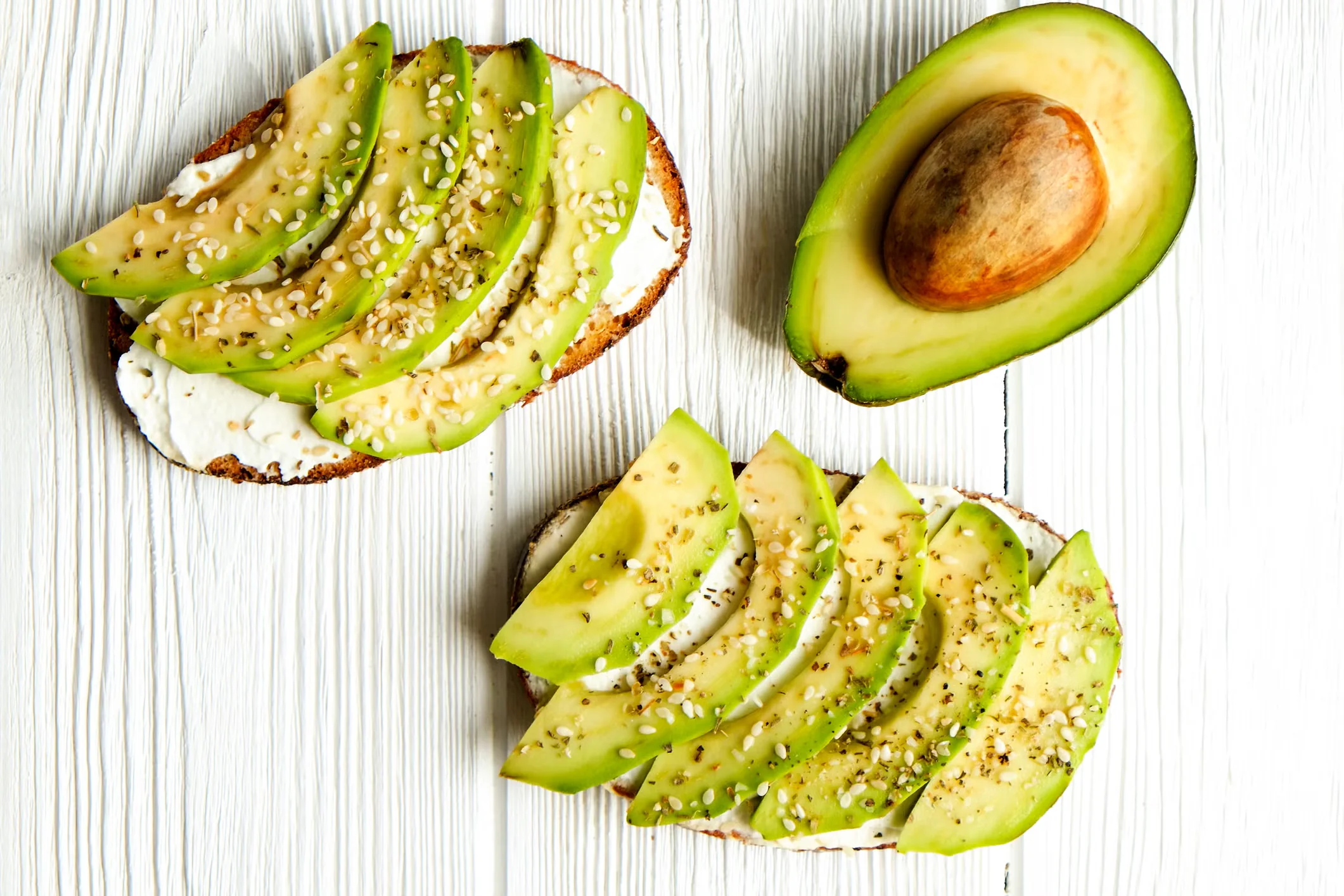 Getty Images
Future Implications for Metabolic Disease Management
As research shifts toward personalized nutrition, the avocado is being studied for its role in mitigating Metabolic Syndrome. The intersection of high fiber, low sugar, and bioactive phytochemicals suggests that daily consumption may become a standardized clinical recommendation for pre-diabetic populations.
The long-term sustainability of this dietary habit remains tethered to global agricultural shifts and the rising cost of water-intensive crops. As demand scales, the nutritional benefits will face the economic reality of supply chain volatility and the environmental footprint of large-scale monoculture farming.
Comments (0)
Please login to comment
Sign in to share your thoughts and connect with the community
Loading...