
Trump Issues Strike Warning Over Strait of Hormuz Blockade

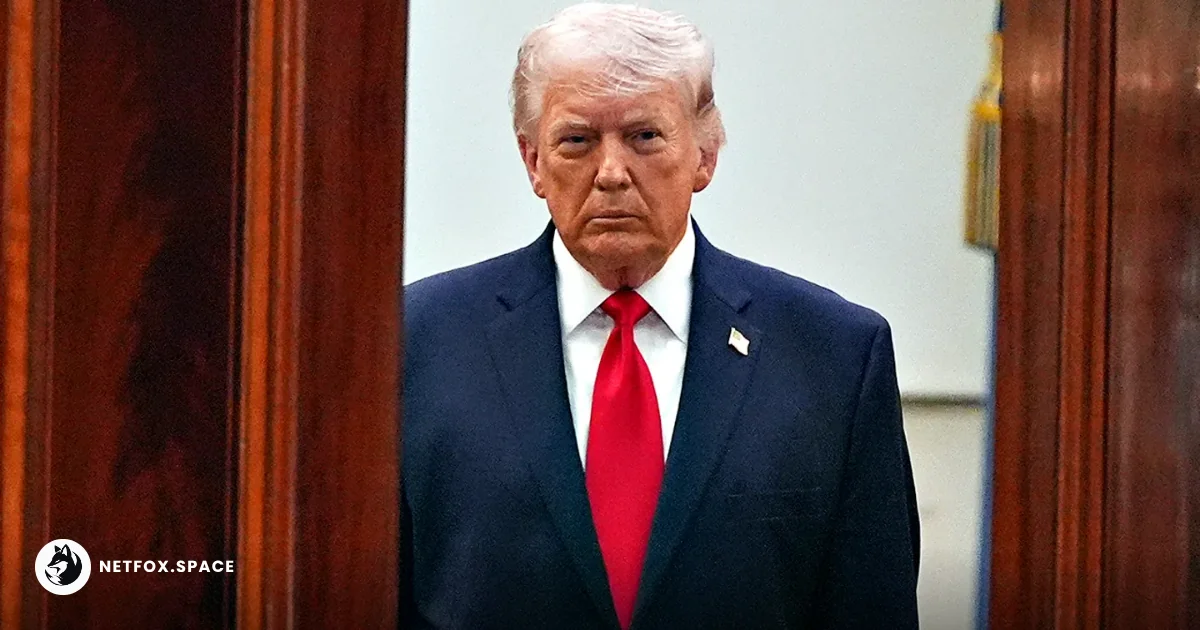
President Donald Trump has issued a formal ultimatum to Tehran, stating the United States will conduct targeted strikes against Iranian power plants and bridges if the Strait of Hormuz is not reopened by Tuesday. The escalation follows a period of heightened maritime tension that has significantly disrupted global energy shipments and regional infrastructure.
Infrastructure targets mark a shift in U.S. retaliatory posture
The President’s specific naming of power plants and bridges indicates a departure from standard maritime engagement rules. Rather than focusing solely on the Iranian naval assets enforcing the blockade, the administration is targeting "dual-use" infrastructure to apply direct economic and operational pressure on the Iranian mainland.
This strategy appears designed to raise the internal cost of the blockade for Tehran. By moving the theater of potential conflict from the water to the shore, the U.S. is signaling that it will no longer limit its response to the immediate vicinity of the Strait. However, the administration has not yet detailed the specific criteria that would constitute a "reopened" waterway whether that requires a full withdrawal of Iranian fast-attack craft or merely the resumption of unescorted commercial transit.
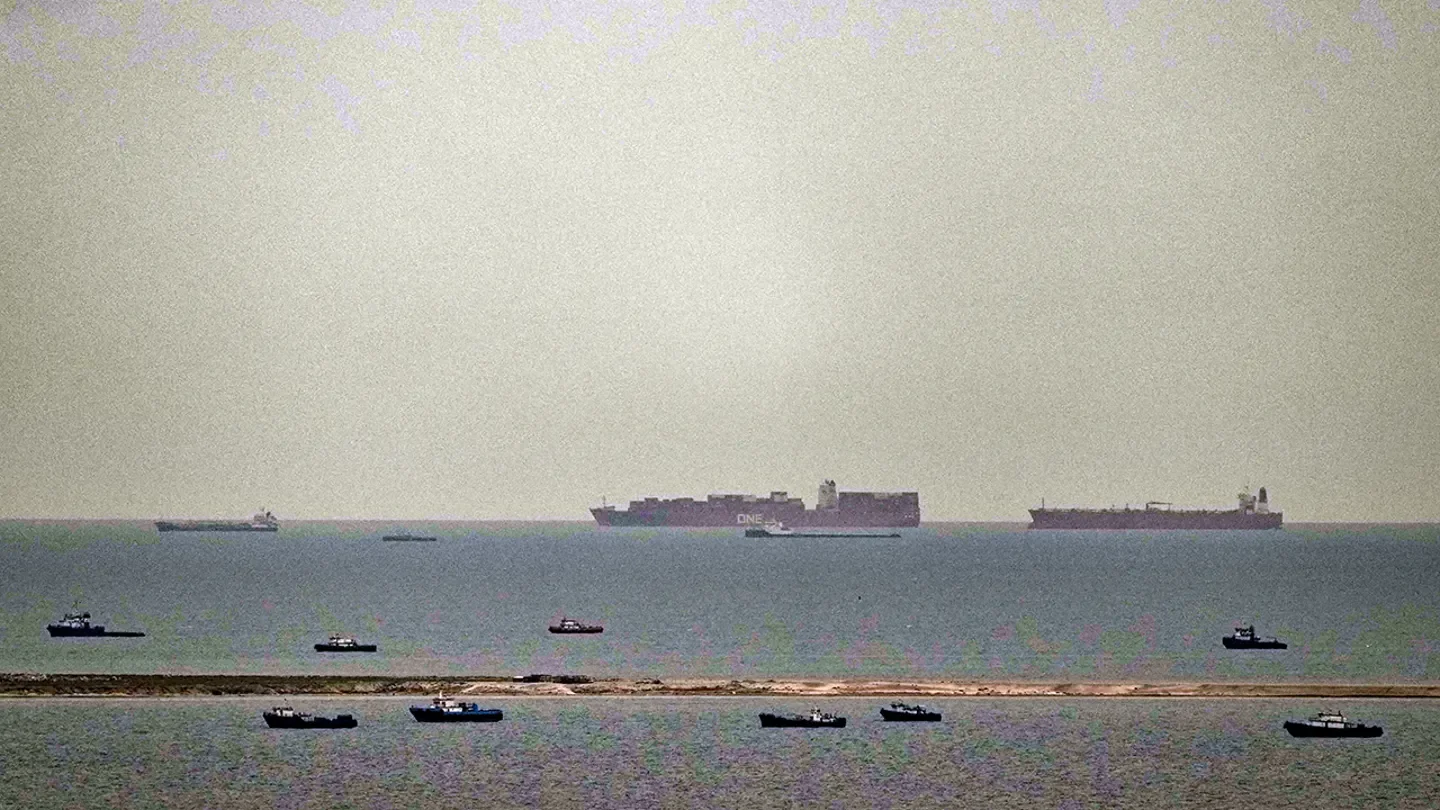 Fishing boats dot the sea as cargo ships, in the background, sail through the Arabian Gulf toward the Strait of Hormuz off the United Arab Emirates, Friday, March 27, 2026. (AP Photo)
Regional stability strained by desalination and energy outages
The urgency of the Tuesday deadline is compounded by deteriorating conditions in neighboring Gulf states. Reports indicate that at least one Kuwaiti water desalination plant has gone offline as a direct result of the ongoing blockade and related supply chain failures.
For regional operators, the closure of the Strait is no longer just a matter of delayed oil tankers; it has become a fundamental threat to basic utility services. The loss of desalination capacity in Kuwait highlights the fragility of regional life-support systems that depend on the free flow of chemicals, spare parts, and fuel through the channel. The President's choice of "power plants" as a retaliatory target mirrors the type of infrastructure currently at risk in allied nations, suggesting a "tit-for-tat" doctrine regarding essential services.
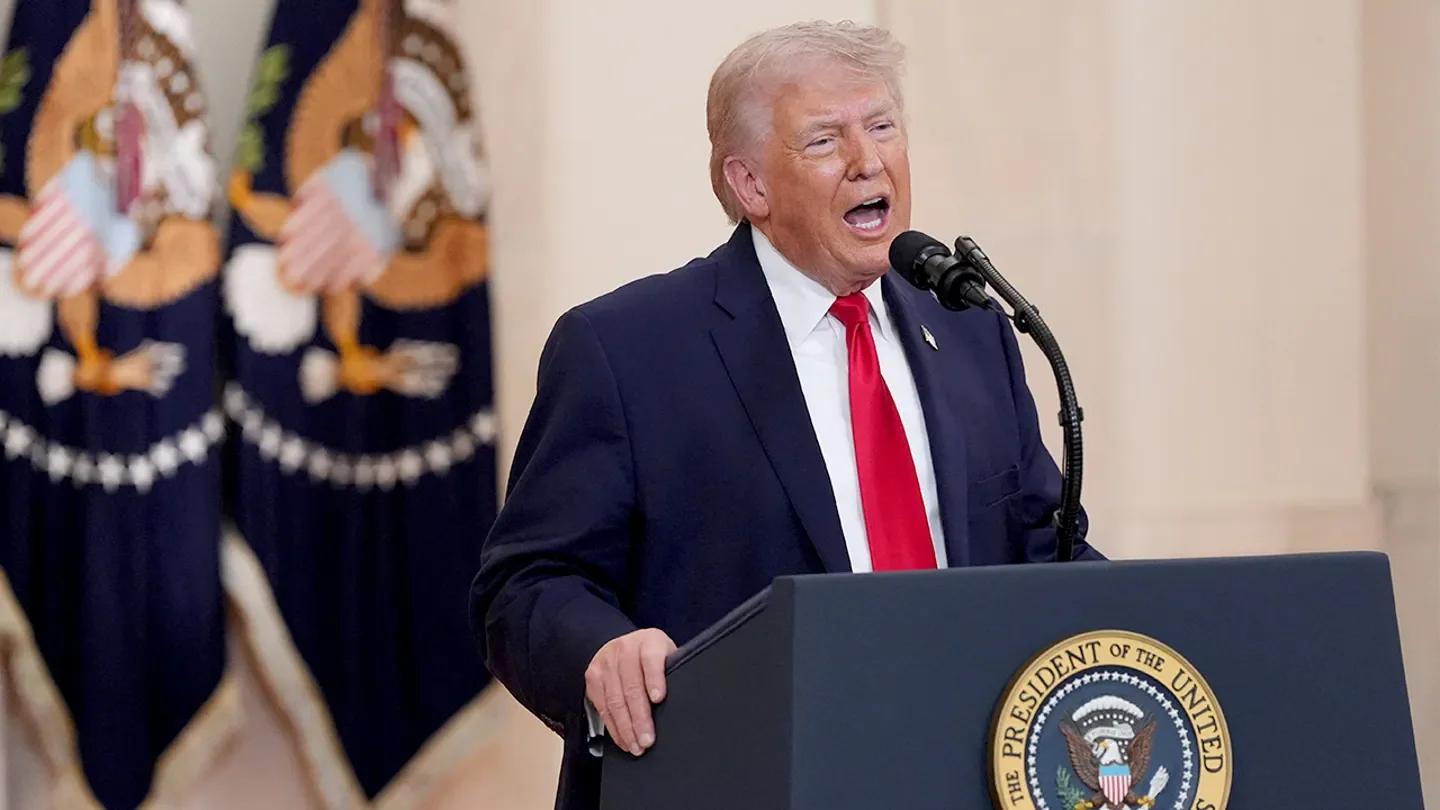 President Donald Trump delivers an address to the nation about the Iran war at the White House in Washington, D.C., on April 1, 2026. (Alex Brandon/Pool via Reuters)
Recovery of U.S. pilot removes a tactical constraint
The administration’s pivot toward a more aggressive stance coincides with the resolution of a high-stakes personnel recovery mission. President Trump confirmed that a missing U.S. pilot has been rescued, a development that likely grants the Pentagon greater flexibility in planning kinetic operations.
Previously, the risk to captured or missing personnel often served as a moderating factor in military decision-making. With the pilot secured, the primary obstacle to launching the threatened infrastructure strikes appears to be the Tuesday deadline itself. Military analysts note that removing the "hostage" or "missing person" variable allows for a broader range of strike options without the immediate fear of Iranian leverage over a U.S. service member.
Unresolved questions regarding escalation dominance
While the ultimatum is clear, the procedural steps following a potential strike remain undisclosed. Targeting Iranian power grids and transportation hubs risks a broader regional conflagration that could further destabilize energy markets. Iran has historically responded to such threats with asymmetric measures, including mining the waterway or utilizing proxy forces.
Observers are currently monitoring the movement of U.S. carrier strike groups and land-based air assets in the region for signs of final preparation. The core uncertainty remains whether Tehran views the Tuesday deadline as a credible threat to its domestic stability or a rhetorical move intended to force a diplomatic concession before the week's end.
Comments (0)
Please login to comment
Sign in to share your thoughts and connect with the community
Loading...